
 EN


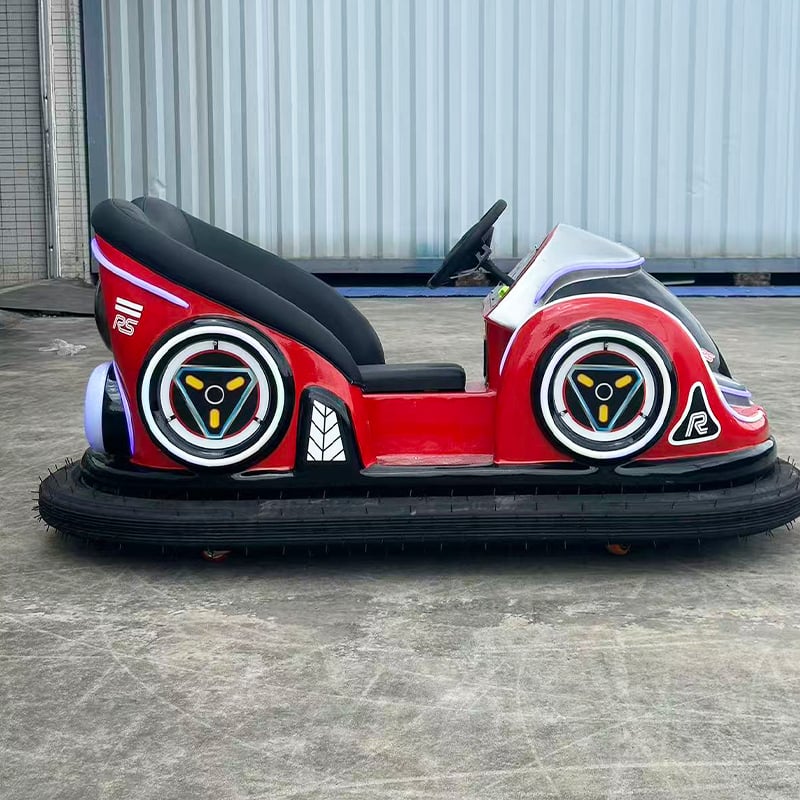
Traction loss is one of the most frustrating operational challenges facing owners of outdoor bumper cars in wet conditions. When precipitation or morning dew settles on concrete rink surfaces, the grip between tire and floor deteriorates significantly, creating safety hazards and reducing guest enjoyment. This performance degradation happens because water acts as a lubricant, breaking the mechanical bond that normally keeps rubber tires firmly planted on concrete. Understanding this phenomenon is essential for maintaining safe, enjoyable rides throughout all seasons.
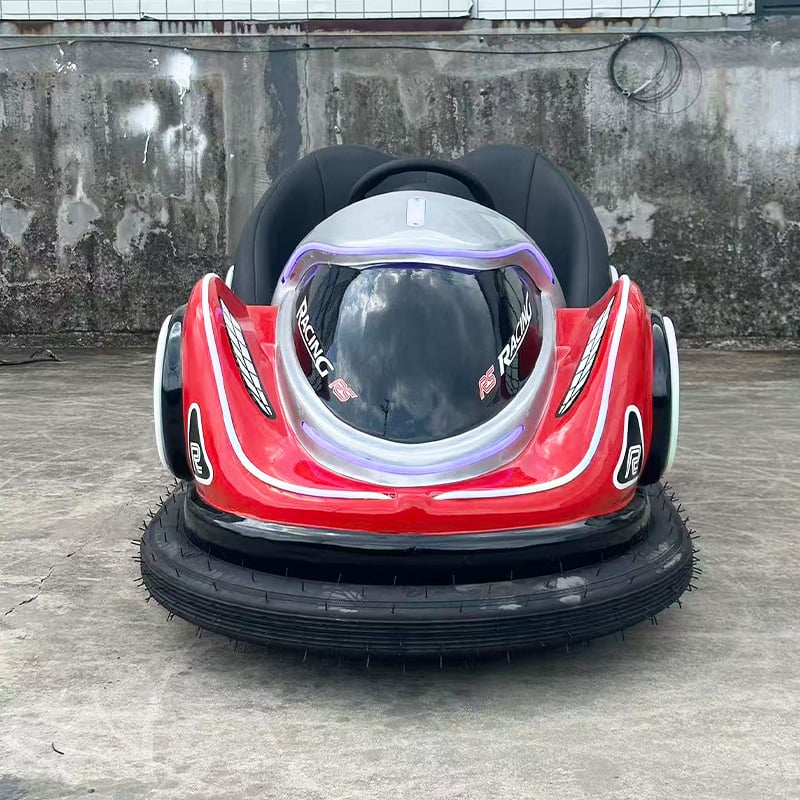
Water creates a slippery film on concrete that reduces friction coefficients by up to 60 percent under certain conditions. Operators of outdoor bumper car rink facilities must recognize this issue as a combination of tire material chemistry, surface texture degradation, and environmental moisture interaction. The result is reduced controllability, increased collision force unpredictability, and potential liability concerns. Addressing this problem requires a multifaceted approach combining preventive maintenance, surface treatment, equipment selection, and operational protocols.
How Water Degrades Concrete Surface Grip
The Physics of Wet Surface Friction
Friction between outdoor bumper car tires and concrete depends on two primary mechanisms: adhesion and deformation. Adhesion refers to the chemical and mechanical bond between rubber and surface materials, while deformation describes how tire materials conform to tiny surface irregularities. When water covers concrete, it interrupts both mechanisms. The water layer prevents direct rubber-to-concrete contact, essentially creating a hydraulic wedge that forces the tire slightly upward. This phenomenon, called aquaplaning or hydroplaning, is similar to what happens when vehicle tires lose grip on wet highways.
Concrete surfaces naturally contain microscopic pores and peaks that provide mechanical grip points. When dry, tire rubber compounds engage these features through both adhesive forces and microscopic deformation. Water fills these pores and covers these peaks, reducing the effective contact area between rubber and solid concrete. Additionally, water acts as a lubricant, lowering the shear strength between surfaces. For outdoor bumper car rink operators, this means even slight precipitation can transform a safe, controllable surface into a hazardous skating rink for small vehicles.
Environmental Factors That Worsen Grip Loss
Temperature variations amplify grip degradation on wet concrete used for outdoor bumper car rinks. Cold water increases the viscosity of the liquid film, making it more resistant to displacement by tire rotation. Conversely, warm water may evaporate faster but creates thermal expansion in the concrete surface, potentially opening new micro-cracks that trap moisture. Salt or mineral deposits from rain runoff further complicate the situation by creating chemical coatings that repel tire rubber. Algae and moss growth in perpetually damp climates reduces friction dramatically, making this a particular concern for outdoor bumper car facilities in humid regions or areas with frequent precipitation.
Preventing and Restoring Traction in Wet Conditions
Surface Maintenance and Preparation
Regular surface maintenance is the foundation of managing grip on outdoor bumper car rinks. Begin by sealing the concrete with a specialized grip-enhancing sealant designed for heavy-traffic applications. These products fill surface pores, creating a uniform texture that resists water penetration while maintaining adequate friction. Pressure washing before sealant application removes organic growth, dirt, and algae that contribute to slipperiness. Many weatherproof bumper car operators schedule this maintenance quarterly or bi-annually, depending on local climate conditions.
Textured coatings and anti-slip overlays provide additional traction enhancement for outdoor bumper car rinks. These specialized products contain aggregates like silicon carbide or aluminum oxide that create a permanently elevated friction surface. Unlike painted surfaces that wear smooth over time, quality anti-slip coatings maintain their grip characteristics for years. Some facilities apply these coatings only to high-traffic areas, while others coat entire rink surfaces. The investment in surface treatment typically costs between 2,000 and 8,000 dollars depending on rink size, but dramatically improves safety and guest confidence during wet conditions.
Battery Bumper Car Equipment Selection and Tire Maintenance
Choosing the right tire composition is critical for battery bumper car performance in variable weather. Tires designed with softer rubber compounds and deeper tread patterns maintain better grip on wet concrete than standard recreational vehicle tires. Silica-based rubber formulations, similar to those used in high-performance vehicle tires, offer superior wet adhesion compared to natural rubber or harder synthetic compounds. When selecting or replacing tires on battery bumper cars, prioritize friction coefficients specifically tested on wet concrete rather than general all-weather ratings.
Regular tire maintenance directly impacts wet-weather performance of battery bumper car equipment. Inspect tread depth monthly, as shallow treads reduce the ability to channel water away from the contact patch. Clean tires after operating in wet conditions to remove algae and mineral deposits that accumulate and reduce friction on subsequent rides. Check tire pressure frequently, as overinflated tires reduce the contact patch and worsen hydroplaning tendency. Slightly lower tire pressure, within manufacturer specifications, increases the contact area and improves wet grip. Rotating tires every 100 to 150 operating hours ensures even wear and maintains consistent traction across all vehicles in an outdoor bumper car rink fleet.
Operational Strategies and Drainage Solutions
Water Management and Drainage Design
Effective drainage prevents water accumulation that causes grip loss on outdoor bumper car rinks. Design the rink floor with a slight slope, typically 1 to 2 percent grade, directed toward drainage channels or sumps. These channels must be sized to handle peak rainfall rates common to your region, ensuring water moves away from the ride surface quickly. Installing French drains or subsurface drainage systems beneath the concrete prevents pooling and maintains a drier surface during and immediately after precipitation. Many modern outdoor bumper car rink facilities incorporate these drainage features into their initial construction, but retrofitting is possible for existing venues.
Moisture-wicking surface additives mixed into concrete during installation improve long-term water management. These compounds encourage water to move through the concrete matrix rather than sitting on the surface. While not eliminating all wetness, they reduce standing water and accelerate drying times. Combined with anti-slip coatings and proper drainage, these additives contribute significantly to safer weatherproof bumper car operations. Some facilities supplement passive drainage with active solutions, such as squeegee bars or automated drainage systems that clear water during or immediately after rain events.
Operational Protocols During Wet Conditions
Speed limitations are the most straightforward operational response to reduced grip on outdoor bumper car rinks. Reducing maximum battery bumper car speeds by 15 to 25 percent during or shortly after precipitation dramatically improves safety without eliminating the ride experience. Guests still enjoy the bumper car activity but experience less severe collisions and better vehicle controllability. Staff should use clear visual indicators or digital speed limiters on affected vehicles when wet conditions are detected.
Temporary closures during heavy rain are sometimes necessary for outdoor bumper car rink operations. Establish clear closure protocols based on rainfall rate, standing water depth, and friction testing results. Some facilities use portable friction measurement devices to objectively assess when grip has degraded below safe thresholds. Staff training on these protocols ensures consistent, defensible decisions that prioritize guest safety. Post-rain inspection procedures, including visual assessment and manual friction testing, confirm when conditions have returned to safe operating standards before reopening.
FAQ
Why do outdoor bumper cars slip more on wet concrete than on asphalt or other surfaces?
Concrete's porous structure and surface composition create unique challenges for wet-weather grip. The micro-pores in concrete fill with water, creating a more continuous lubricating film compared to sealed asphalt surfaces. Additionally, concrete typically has lower natural friction coefficients than textured asphalt, meaning wet conditions have a more pronounced effect on traction. For outdoor bumper car rinks constructed on concrete, this combination makes wet-weather grip management particularly important.
How often should weatherproof bumper car surfaces be treated or resealed to maintain grip?
Most weatherproof bumper car facilities should reseal their concrete surfaces annually or bi-annually, depending on local climate and usage intensity. Heavy-traffic areas may require more frequent maintenance. Anti-slip coatings typically maintain their effectiveness for two to three years before reapplication becomes necessary. Regular inspection using friction measurement devices helps determine when treatment effectiveness is declining. Preventive resealing costs far less than dealing with safety incidents or guest dissatisfaction resulting from slippery surfaces.
Can adding water-absorbing materials or drainage channels significantly reduce grip loss on an existing outdoor bumper car rink?
Yes, retrofitting existing outdoor bumper car rinks with improved drainage and moisture management significantly reduces grip loss. Adding surface-level drainage channels, applying moisture-wicking sealants, and installing subsurface drainage systems all contribute to keeping the riding surface drier. While these modifications require investment and temporary operational disruption, they provide lasting improvements to safety and guest experience. Combining these drainage upgrades with anti-slip surface coatings creates a comprehensive solution that substantially minimizes wet-weather traction problems on battery bumper car rinks.
Table of Contents
- How Water Degrades Concrete Surface Grip
- Preventing and Restoring Traction in Wet Conditions
- Operational Strategies and Drainage Solutions
-
FAQ
- Why do outdoor bumper cars slip more on wet concrete than on asphalt or other surfaces?
- How often should weatherproof bumper car surfaces be treated or resealed to maintain grip?
- Can adding water-absorbing materials or drainage channels significantly reduce grip loss on an existing outdoor bumper car rink?