
 EN


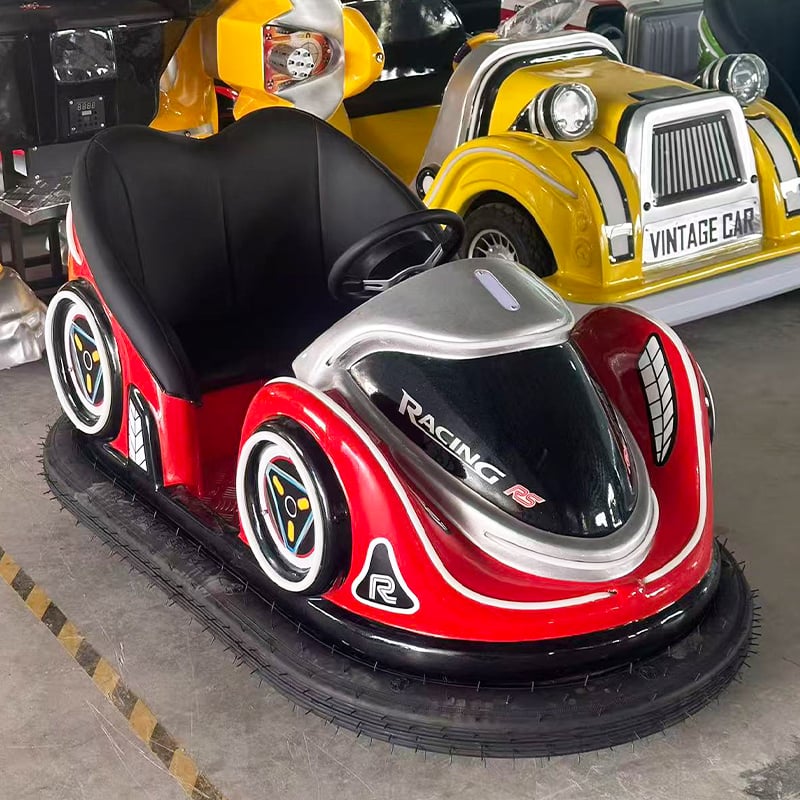
Rust formation represents one of the most persistent challenges when operating outdoor bumper cars near coastal regions. Salt-laden air, humidity, and proximity to ocean environments create ideal conditions for corrosion that can compromise both the structural integrity and aesthetic appeal of your rides. Understanding the root causes of rust and implementing targeted prevention strategies is essential for maintaining a safe, attractive amusement park operation in maritime settings.
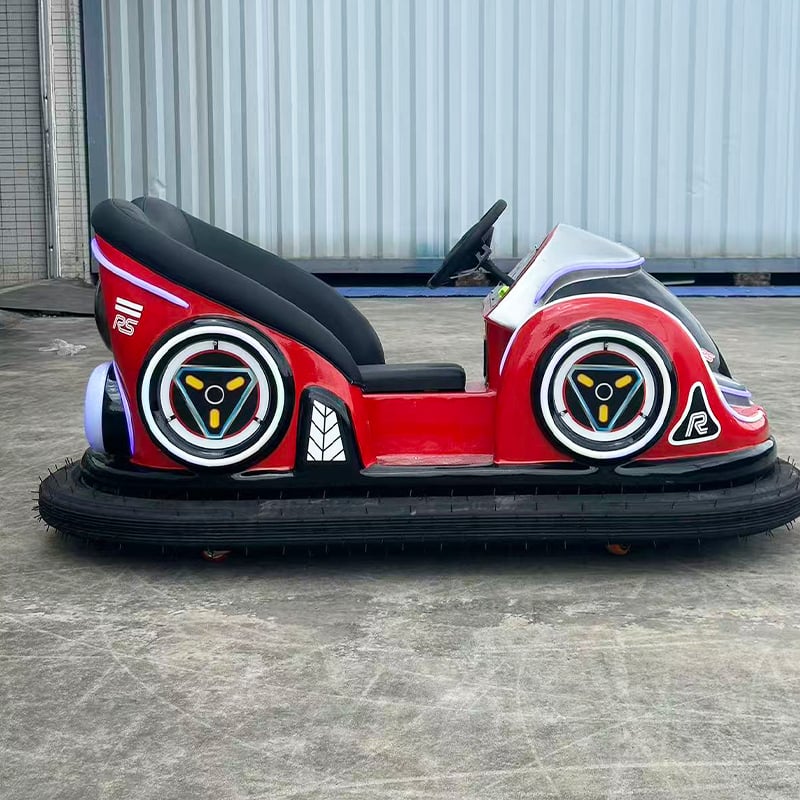
Coastal environments introduce unique corrosion pressures that inland amusement parks rarely encounter. Salt particles suspended in ocean air are highly reactive with metal surfaces, accelerating oxidation processes significantly faster than standard atmospheric conditions. For operators managing an outdoor bumper car rink, this reality demands proactive maintenance planning and material selection that goes beyond typical rust prevention measures used in non-coastal locations.
Understanding Rust Formation in Coastal Environments
Salt Spray and Corrosion Mechanisms
Salt spray directly accelerates metal degradation through electrochemical corrosion. When sodium chloride particles settle on metal frames, bumpers, and electrical components of bumper cars, they create an electrolytic environment that promotes electron transfer between materials. This process is exponentially faster than ordinary atmospheric rust formation. Moisture from ocean air compounds this effect by maintaining a thin electrolytic layer on metal surfaces continuously. Battery bumper car models are particularly vulnerable because their electrical systems and metal chassis require consistent protection against this corrosive environment.
Humidity and Moisture Entrapment
Coastal humidity levels remain elevated year-round, preventing moisture from evaporating quickly from equipment surfaces. This persistent dampness creates ideal conditions for rust to initiate and spread across any exposed metal, including frame welds, fasteners, and decorative elements. The weatherproof bumper car design becomes critical in these settings because enclosed components resist moisture infiltration better than traditional open-frame construction. Even minor gaps or compromised sealants allow saltwater mist to penetrate protective barriers, making thorough weatherproofing a non-negotiable requirement for outdoor bumper car rink operations.
Material Selection and Design Strategies
Corrosion-Resistant Materials for Bumper Car Frames
Fiberglass reinforced plastic construction dominates modern outdoor bumper car manufacturing because it eliminates the rust problem entirely at the body level. Unlike traditional steel or aluminum frames, fiberglass bodies resist salt spray indefinitely without protective coatings. However, the underlying structural components, axles, mounting hardware, and electrical systems still require specialized corrosion resistance. Stainless steel fasteners and marine-grade materials should replace standard steel components throughout the assembly. For battery bumper car systems, enclosing electrical connections in stainless steel or plastic housings prevents salt-laden moisture from reaching sensitive electronics.
Protective Coating Systems
Multi-layer coating systems specifically formulated for marine environments provide essential protection for any exposed metal on outdoor bumper cars. Epoxy-based primers create a dense barrier that prevents salt and moisture penetration, while polyurethane topcoats offer enhanced UV resistance and durability. Applying these coatings to frame components, undercarriages, and all steel fasteners creates a weatherproof bumper car that maintains appearance and function longer. Regular recoating schedules ensure protective layers remain intact and effective. Even on battery bumper car models with premium finishes, maintenance coating applications extend equipment lifespan by years.
Maintenance Protocols for Coastal Amusement Parks
Routine Inspection and Cleaning Procedures
Weekly inspection routines should focus on identifying early rust formation before it spreads. Operators managing an outdoor bumper car rink should establish protocols for examining undercarriages, frame connections, and electrical housings where rust typically initiates. Fresh-water rinses after operating sessions remove salt residue before it can accumulate and trigger corrosion. This simple preventive measure dramatically reduces rust formation rates on battery bumper car models and all outdoor bumper cars. Compressed air drying after rinses prevents moisture from pooling in crevices and seams.
Seasonal Deep Maintenance
Quarterly deep cleaning should include disassembly of accessible electrical connections and protective covers to inspect for corrosion inside housing compartments. Any surface rust discovered can be treated with specialized naval jelly or electrolytic rust removal before recoating with protective substances. For outdoor bumper car rink operators in severe coastal climates, semi-annual professional detailing services by specialists in marine equipment maintenance represent worthwhile investments. Replacing sacrificial components like fasteners and seals before they fail prevents sudden equipment downtime. Battery bumper car charging systems require particular attention because moisture ingress can damage circuit boards and battery connections.
Environmental Management and Operational Strategies
Protective Storage and Weather Barriers
Outdoor bumper cars stored in open parking areas experience continuous salt spray exposure during off-season months. Providing covered storage, even basic tarp canopies, significantly reduces rust formation rates. More substantial covered facilities with ventilation prevent moisture trapping that accelerates corrosion. For outdoor bumper car rink operations, establishing designated equipment storage zones away from direct coastal wind patterns protects assets during closure periods. Individual vehicle covers manufactured from breathable marine-grade materials protect battery bumper car units without trapping moisture underneath.
Operational Scheduling and Environmental Factors
Timing maintenance and operational schedules around weather patterns extends equipment longevity for outdoor bumper cars. Operating after heavy rain or during fog conditions when salt spray concentrations peak increases corrosion risk compared to calm, dry periods. For outdoor bumper car rink managers, coordinating maintenance schedules during low-humidity windows allows protective coatings to cure properly. Installing wind barriers or salt spray mitigation systems around the ride perimeter reduces environmental exposure. Battery bumper car charging stations should be positioned with additional weather protection to prevent moisture from affecting electrical components continuously.
FAQ
Why do outdoor bumper cars rust faster near coastal areas?
Coastal environments contain salt-laden air and elevated humidity that accelerate electrochemical corrosion processes exponentially compared to inland locations. Salt particles combined with moisture create electrolytic conditions that break down protective oxide layers on metal surfaces far more rapidly than normal atmospheric rust formation. This dual threat of salt exposure and persistent dampness makes rust prevention critical for any outdoor bumper car rink near ocean environments.
What materials work best for weatherproof bumper car construction?
Fiberglass reinforced plastic bodies eliminate rust on the ride structure itself, but underlying metal components must be stainless steel or protected with marine-grade coatings. Enclosing electrical systems and battery bumper car components in stainless steel or plastic housings prevents salt spray damage. Multi-layer epoxy and polyurethane coating systems specifically formulated for marine use provide the most effective protection for exposed metal on outdoor bumper cars.
How often should outdoor bumper car rink equipment be inspected for rust?
Weekly inspections catching early rust formation before it spreads are optimal for coastal operations. Fresh-water rinses after each operating session remove salt residue, while quarterly deep maintenance protocols address accumulated corrosion in sheltered areas and electrical compartments. Battery bumper car systems require additional attention to charging connections and electrical housings where moisture penetration poses the greatest risk in saltwater environments.