
 EN


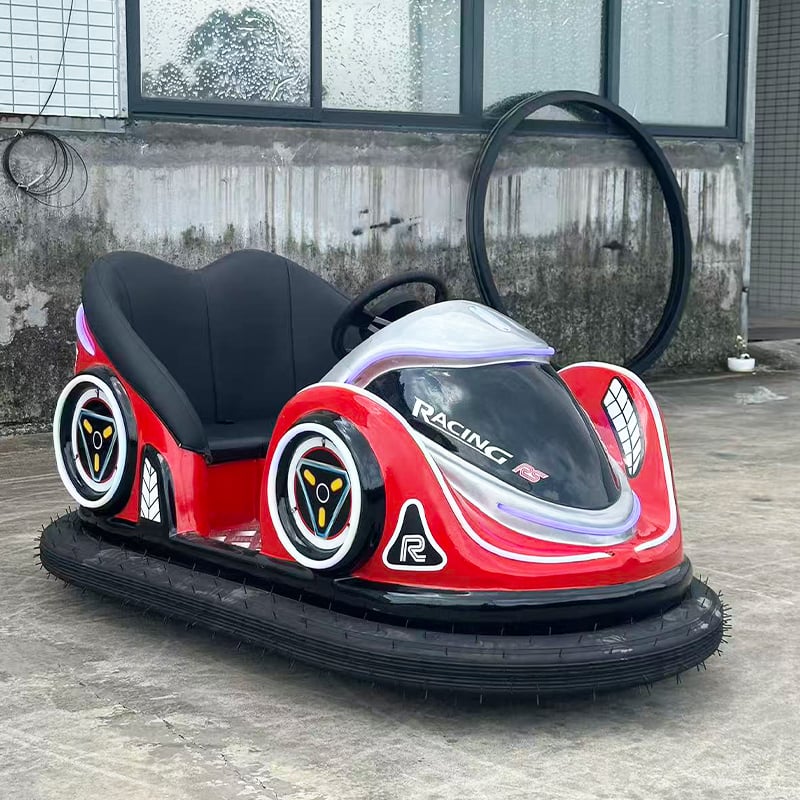
Protecting outdoor bumper cars from environmental damage is critical for amusement park operators and entertainment venue managers. Rain, intense sunlight, and temperature fluctuations accelerate wear on fiberglass bodies, electrical components, and mechanical systems. Understanding the right protection strategies ensures your outdoor bumper car rink remains profitable and safe for years. This guide covers proven methods to safeguard your equipment from weather-related deterioration and extends the operational lifespan of your attractions.
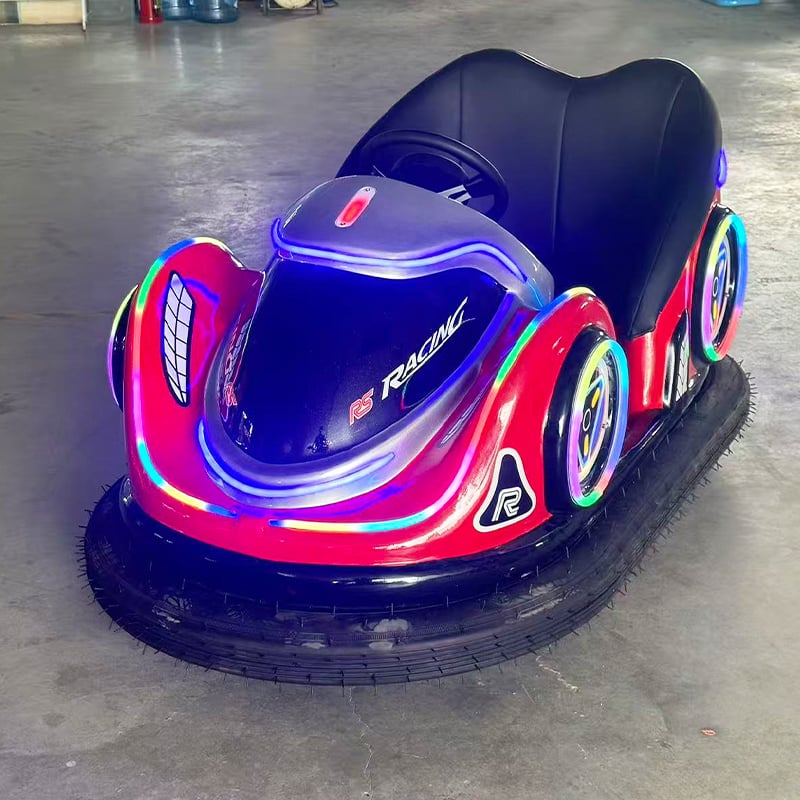
Weather exposure directly impacts performance and safety ratings of battery bumper car fleets. UV rays degrade paint finishes and weaken composite materials, while moisture ingress compromises electrical systems and corrodes metal components. A structured protection program minimizes repair costs and prevents unexpected downtime during peak operating seasons. Investing in preventive weatherproofing measures delivers measurable returns by reducing maintenance frequency and preserving vehicle condition.
Shelter Solutions and Storage Infrastructure
Permanent and Seasonal Covering Systems
Installing protective structures over your outdoor bumper car rink is the most effective first line of defense. Permanent canopies or retractable roof systems shield vehicles from direct rainfall and UV exposure during operation. For seasonal venues, high-quality tarpaulin covers provide affordable protection when the park closes. Ensure ventilation exists under covers to prevent moisture accumulation, which causes rust and fungal growth on metal surfaces. Proper storage facilities with controlled humidity reduce environmental stress on weatherproof bumper car components significantly.
Drainage and Surface Management
Water pooling around an outdoor bumper car rink accelerates corrosion and creates electrical hazards. Install sloped concrete surfaces that channel rainwater away from the riding area. Incorporate drainage trenches and sumps to manage runoff during heavy storms. Elevated platforms keep battery bumper car charging stations and control equipment above flood risk levels. Regular cleaning removes debris that blocks drainage channels and compromises water flow patterns.
Material Protection and Maintenance Protocols
Coating and Sealant Applications
Applying UV-resistant coatings to fiberglass bodies protects outdoor bumper cars from sun degradation and color fading. Marine-grade sealants create waterproof barriers around seams, joints, and cable entry points on weatherproof bumper car models. Semi-annual reapplication maintains protective layers as environmental exposure accumulates. Use corrosion inhibitors on metal frame components, bumpers, and fastening hardware. These treatments penetrate small cracks where moisture infiltrates, preventing rust formation at critical structural points.
Regular Inspection and Preventive Repair
Weekly visual inspections catch emerging damage before it becomes costly. Check for paint chips, cracks in composite materials, and corrosion spots on battery bumper car chassis. Address minor issues immediately rather than allowing water infiltration to spread. Inspect electrical connectors and battery terminals for oxidation or moisture damage. Document all findings to identify patterns in failure locations, which guides future design improvements and material selection for outdoor bumper car rink upgrades.
Battery and Electrical System Protection
Charging Infrastructure and Environmental Controls
Battery bumper car charging stations must be housed in weatherproof enclosures away from direct rainfall. Humidity monitoring systems prevent moisture accumulation inside equipment cabinets. Install surge protectors and lightning arrestors to shield electrical systems from storm damage. Separate battery storage areas with temperature control maintain optimal charging efficiency and extend battery lifespan significantly. These measures protect the electrical components that directly impact operational safety and vehicle performance for your outdoor bumper car rink.
Waterproof Connectors and Cable Management
Replace standard connectors with marine-grade or waterproof alternatives specifically designed for outdoor environments. Route charging cables through conduit systems that prevent water penetration at connection points. Use cable glands with rubber seals where wires enter vehicle bodies on weatherproof bumper car units. Regularly inspect connectors for green or white oxidation indicating corrosion. Proper cable management reduces electrical failures and ensures consistent power delivery to battery bumper car motors throughout operating seasons.
Seasonal Preparation and Long-Term Storage
Pre-Season Preparation Checklist
Before opening your outdoor bumper car rink for peak season, perform comprehensive weatherproofing inspections. Test all seals and coatings for gaps or deterioration from previous seasons. Clean battery terminals and apply protective grease to metal components. Check canopy structures and cover systems for damage from winter weather. Replace worn weatherstripping and gaskets that prevent moisture intrusion into vehicle interiors. These preparatory steps ensure that your outdoor bumper cars and battery bumper car fleet operate safely and reliably when customer demand is highest.
Off-Season Storage Best Practices
When your outdoor bumper car rink closes seasonally, move vehicles to climate-controlled storage facilities when possible. If indoor storage is unavailable, apply thick protective covers and elevate vehicles on blocks to improve air circulation underneath. Disconnect batteries and store them separately in dry, temperature-stable environments. Drain fluids and apply protective oils to mechanical components. Run engines periodically to maintain internal seals and prevent corrosion. These practices preserve your weatherproof bumper car inventory through off-seasons and extend the interval between major refurbishments significantly.
FAQ
What are the primary causes of damage to outdoor bumper cars?
Rain causes moisture intrusion that corrodes metal components and damages electrical systems. UV sunlight degrades fiberglass and paint finishes through oxidative breakdown. Temperature fluctuations create expansion and contraction stress on joints and seals. Salt spray from coastal locations accelerates corrosion dramatically. Battery bumper car systems are particularly vulnerable to humidity, which compromises charging efficiency and shortens battery lifespan. Combined environmental factors make weatherproof bumper car design and protection essential for outdoor installations.
How often should weatherproofing maintenance occur on outdoor bumper car rinks?
Weekly visual inspections should identify emerging issues like paint chips or seal degradation on your outdoor bumper cars. Monthly detailed inspections check connector condition, battery health, and structural integrity. Quarterly maintenance includes recoating high-wear areas and resealing vulnerable joints on weatherproof bumper car units. Semi-annual comprehensive reviews assess overall fleet condition and guide material replacement decisions. Battery bumper car charging systems require monthly electrical safety inspections. This structured schedule prevents catastrophic failures and optimizes long-term reliability.
Can standard bumper cars operate safely outdoors without protection?
Standard bumper cars designed for indoor environments lack weatherproofing features necessary for outdoor exposure. However, implementing proper protection infrastructure makes outdoor operation feasible and economically viable. Weatherproof bumper car models include reinforced electrical sealing and corrosion-resistant materials designed specifically for outdoor bumper car rink conditions. Battery bumper car systems particularly benefit from protected charging stations and environmental controls. With comprehensive protection strategies covering shelter, coatings, drainage, and maintenance, even standard outdoor bumper cars can perform reliably in protected outdoor installations.