
 EN


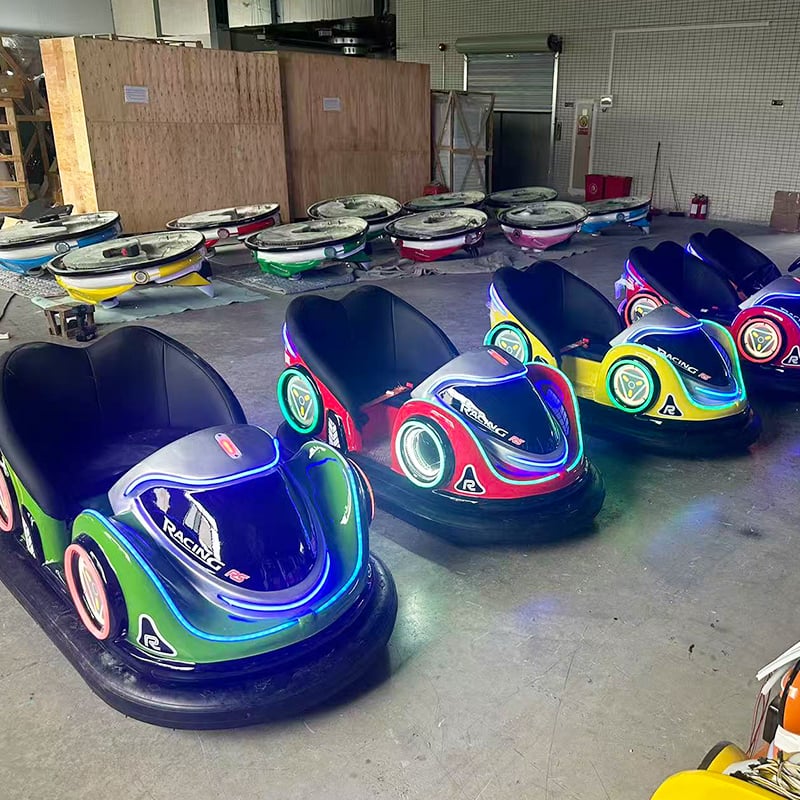
An outdoor bumper car typically exhibits reduced speed and responsiveness during cold weather conditions. This performance decline affects both recreational enjoyment and operational efficiency for amusement parks and entertainment venues. Understanding the mechanical and chemical reasons behind this slowdown is essential for operators who rely on consistent performance year-round.
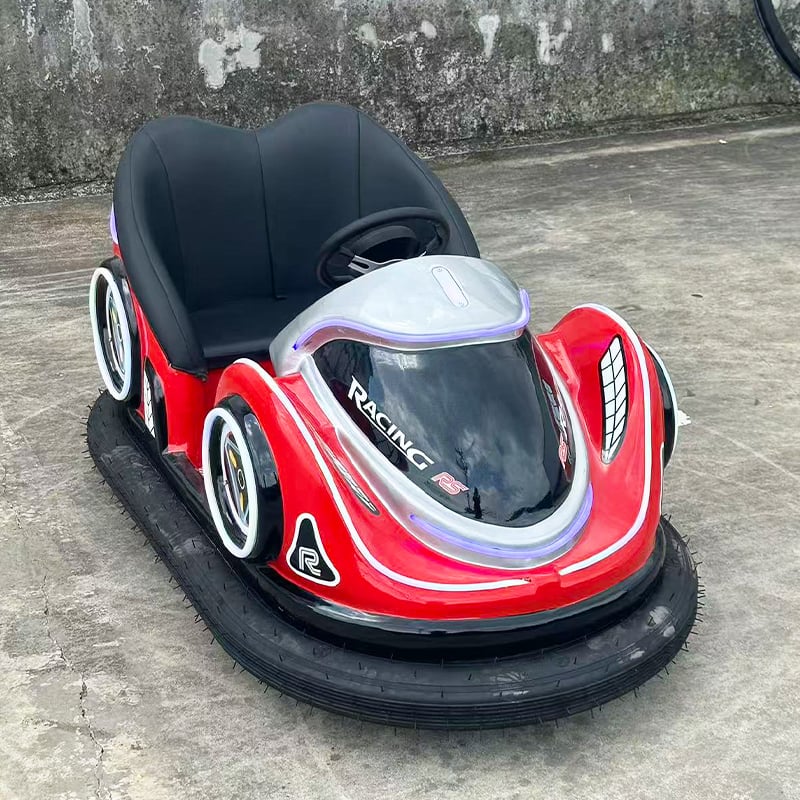
Cold weather impacts multiple systems within an outdoor bumper car ride simultaneously. The battery chemistry slows, tire compounds harden, electrical circuits become less responsive, and friction dynamics shift across all moving components. These interconnected factors combine to create noticeable performance degradation that cannot be attributed to a single cause. Operators managing battery bumper car fleets must recognize these patterns to maintain safe, enjoyable experiences.
Battery Performance in Cold Conditions
Chemical Reaction Slowdown
Battery bumper car systems rely on chemical reactions to generate electrical energy. When ambient temperature drops, the molecular activity within battery cells decreases significantly. This reduced chemical velocity directly translates to lower voltage output and reduced current delivery capacity. A weatherproof bumper car with standard lithium-ion or lead-acid batteries may lose 20 to 40 percent of its power in temperatures below freezing.
The internal resistance of the battery increases during cold exposure. Higher resistance means the same battery must work harder to deliver power to the electric motor, generating heat while reducing available energy. This effect compounds over time as the outdoor bumper car ride continues operating throughout a cold day. Operators notice acceleration feels sluggish and top speed diminishes gradually as temperatures remain low.
Motor Response and Efficiency
Electric motors in battery bumper car designs depend on precise voltage and current regulation. Cold batteries cannot maintain stable power delivery, causing the motor controller to limit output as a safety measure. The motor itself also experiences reduced lubrication efficiency as oils thicken in cold weather. An outdoor bumper car ride equipped with a responsive electric motor becomes noticeably slower when these combined factors interact.
Thermal management systems struggle in cold environments. Many weatherproof bumper car models include heating circuits to maintain battery temperatures, but these systems consume significant energy. When a battery bumper car must allocate power to heating rather than propulsion, total acceleration and speed naturally decline. Operators managing outdoor bumper car fleets understand this trade-off as necessary for safety and battery longevity.
Tire Grip and Friction Dynamics
Rubber Compound Hardening
Rubber tires on an outdoor bumper car ride become significantly harder as temperatures drop below 50 degrees Fahrenheit. This hardening reduces the tire contact patch with the arena surface, decreasing friction and grip. A weatherproof bumper car designed for year-round operation experiences reduced traction, which the electronic controller detects as wheel slip. Safety systems then reduce available power to prevent dangerous skidding, effectively slowing the bumper car.
The coefficient of friction between cold rubber and wet arena surfaces drops substantially. Even a dry arena floor becomes slippery when covered by a thin film of moisture combined with hardened tire compounds. This mechanical limitation affects every outdoor bumper car ride in the fleet equally, regardless of battery charge level or motor condition. Operators often notice this effect immediately when temperatures shift overnight.
Arena Surface Interaction
Cold weather alters arena surface properties alongside tire behavior. Most bumper car arenas use specialized flooring designed for optimal traction in moderate climates. When temperatures drop, this flooring becomes harder and smoother, reducing grip further. A battery bumper car cannot accelerate safely on reduced-friction surfaces, so onboard control systems automatically limit power output. The result feels like the entire outdoor bumper car ride fleet experiences simultaneous performance degradation.
Moisture combined with cold surfaces creates particularly treacherous conditions. An outdoor bumper car ride may be exposed to morning dew or light precipitation that freezes on contact with cold flooring. Electronic traction control systems sense this hazard and restrict available power. Operators managing a weatherproof bumper car fleet must account for these seasonal surface changes when scheduling maintenance or adjusting performance expectations.
Electrical System Responsiveness
Conductor and Controller Performance
Electrical conductivity decreases as temperatures drop, affecting every connection point throughout an outdoor bumper car ride's electrical system. Copper wiring, circuit board traces, and battery terminals all exhibit increased resistance in cold conditions. This phenomenon means an outdoor bumper car requires more time to respond to acceleration commands. The delay may be milliseconds, but it noticeably impacts driving feel and competitive gameplay.
Electronic controllers in battery bumper car systems contain semiconductors whose switching speed degrades in cold temperatures. These components regulate power delivery to the motor with microsecond precision during normal conditions. Cold weather slows these processes, creating lag in the power delivery chain. A weatherproof bumper car with advanced control systems may compensate through software algorithms, but fundamental physics limits improvement. Operators expect slight performance reduction whenever an outdoor bumper car ride operates below optimal temperature ranges.
Sensor Calibration Issues
Speed sensors, temperature sensors, and current sensors throughout a battery bumper car system become less accurate in extreme cold. These electronic components may drift from their calibrated values, causing the onboard computer to make conservative power limiting decisions. An outdoor bumper car ride's control system prioritizes safety over performance, so any sensor uncertainty results in reduced speed output. Operators managing a weatherproof bumper car fleet should recalibrate sensors seasonally to maintain optimal performance.
Acceleration algorithms within an outdoor bumper car ride's firmware are typically designed assuming moderate temperature operation. Cold weather forces these algorithms into safer operating modes, limiting how quickly power increases. Drivers notice this constraint as sluggish acceleration compared to summer operation. A modern battery bumper car includes temperature compensation features, but these can only partially offset the fundamental physics of cold-weather operation.
FAQ
Does an outdoor bumper car stop working in freezing temperatures?
No, an outdoor bumper car ride will not stop entirely in freezing conditions. However, performance degradation becomes severe enough that many operators choose to close outdoor attractions during extreme cold. Battery bumper car systems are designed with minimum temperature operating ranges, typically around 14 to 32 degrees Fahrenheit for extended operation. A weatherproof bumper car can function below these thresholds briefly, but doing so accelerates battery degradation and increases safety risks. Most operators respect these guidelines to protect their equipment and ensure rider safety.
How much slower does an outdoor bumper car ride become in winter?
An outdoor bumper car typically operates at 30 to 60 percent of its normal speed capability in cold weather, depending on how far temperatures drop below the design range. The slowdown accelerates exponentially as temperatures decrease further. A battery bumper car at 50 degrees Fahrenheit might lose 20 percent of speed, while the same weatherproof bumper car at 20 degrees Fahrenheit could lose 50 percent. This variation depends on battery chemistry, tire composition, and how aggressively the control system limits power output for safety.
Can operators improve cold weather performance of an outdoor bumper car ride?
Yes, several strategies help optimize an outdoor bumper car in cold conditions. Battery bumper car operators can install battery heating systems that maintain optimal temperatures before and during operation. A weatherproof bumper car benefits from tire compounds specifically formulated for cold climates, though these sacrifice performance in warm weather. Advanced control systems can include temperature compensation algorithms that adjust power delivery more intelligently. Regular maintenance and pre-heating routines help keep outdoor bumper car equipment performing as well as possible during winter months, though fundamental physics still limits maximum speed improvement.