
 EN


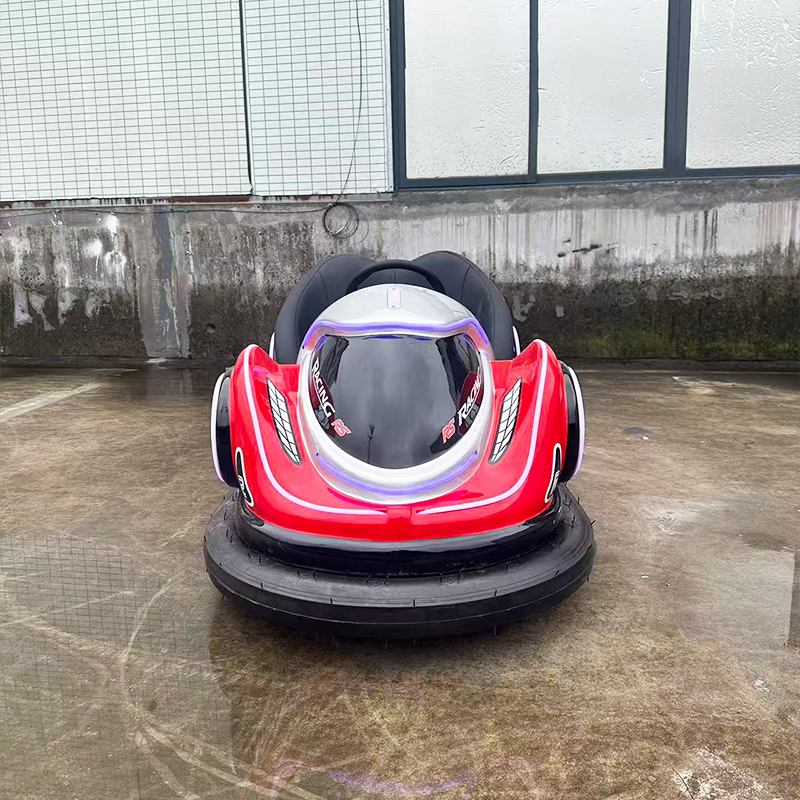
Designing an effective rink for a mini bumper car attraction requires careful consideration of spatial layout, turning radiuses, and operational efficiency. The success of your bumper car venue depends heavily on how well you optimize the available space while maintaining safety and guest enjoyment. Whether you're installing a small bumper car setup in a limited footprint or planning a full-scale kids bumper car arena, understanding the principles of rink design and turning space management is critical for long-term operational success.
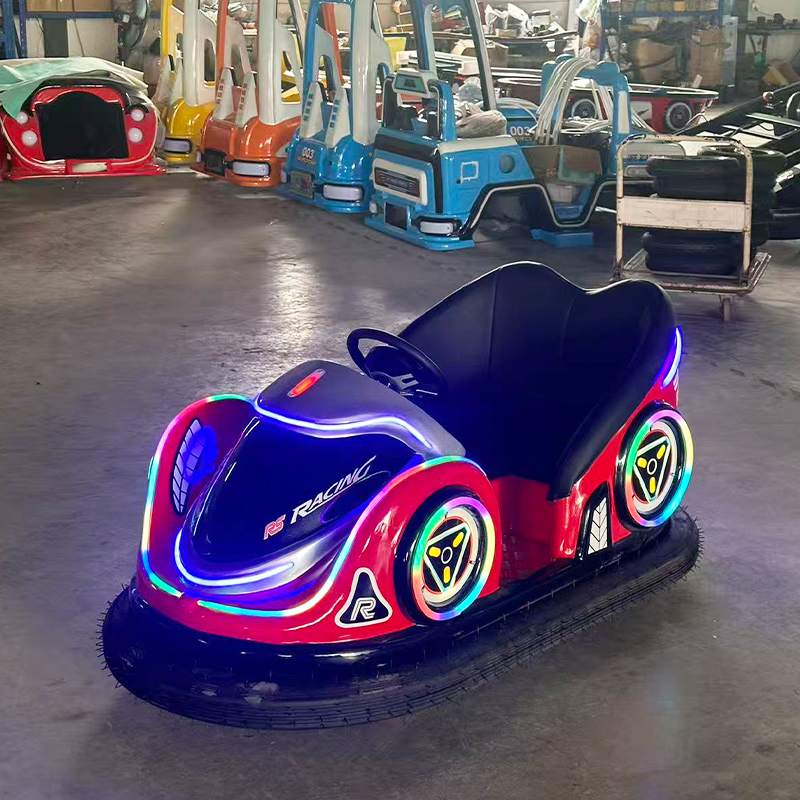
The challenge of optimizing a compact bumper car environment involves balancing rider experience with practical constraints. Too-tight turning spaces frustrate guests and create bottlenecks, while excessive floor area wastes valuable venue real estate. A small bumper car installation must function smoothly during peak hours while allowing each vehicle sufficient room to maneuver naturally. The right approach combines geometric planning, material placement, and traffic flow design to create an engaging experience within realistic spatial boundaries.
Understanding Rink Geometry and Turning Space Requirements
Core Dimensions for Mini Bumper Car Installations
The foundation of any kids bumper car rink design begins with understanding the vehicle dimensions and required turning clearance. A typical compact bumper car measures approximately 1.2 to 1.5 meters in diameter, including the protective bumper ring. To allow guests to operate these vehicles comfortably, you need minimum turning radiuses that accommodate 180-degree rotations without excessive maneuvering. For a mini bumper car setup, industry standards recommend maintaining at least 2.5 to 3 meters of clear radius space from the vehicle's center point to surrounding barriers or obstacles.
Calculating total rink dimensions requires adding buffer zones beyond the basic turning radius. A small bumper car rink should include an additional 0.3 to 0.5 meters of clearance beyond the turning radius to prevent rider anxiety and ensure safe vehicle deceleration. This means a compact bumper car venue with a 5-meter turning radius actually requires approximately 5.5 meters of physical space. Understanding these calculations helps venue operators plan layouts that feel spacious to guests while fitting within available square footage.
Barrier Placement and Safety Zones
Proper barrier placement directly impacts how effectively your mini bumper car rink functions. Barriers should be positioned to define clear traffic patterns while maintaining visual sightlines for operators. For a kids bumper car environment, padded barriers at least 0.8 meters high provide both safety and visual containment. A small bumper car setup should feature rounded barrier edges rather than sharp corners, reducing collision impact severity and improving the overall guest experience.
The spacing between parallel barriers in your compact bumper car rink determines how freely vehicles can move longitudinally. Minimum lane width should be approximately 3 meters for single-direction movement, allowing adequate passing space. When designing turning zones near barriers, ensure the turning space gradually expands rather than featuring abrupt width changes. This smooth transition helps small bumper car operators navigate naturally while maintaining safe speeds.
Optimizing Traffic Flow in Compact Bumper Car Venues
One-Way and Multi-Direction Traffic Patterns
Traffic flow management significantly influences the perceived spaciousness and safety of your mini bumper car installation. One-way directional systems simplify traffic patterns and reduce head-on collisions in a small bumper car environment. However, a compact bumper car design must still allow adequate turning zones where vehicles can change direction without feeling constrained. Kids bumper car operators appreciate venues where they can navigate freely rather than follow rigid lanes, making strategic turning space placement critical to guest satisfaction.
Multi-directional rinks offer more dynamic gameplay experiences but require larger overall turning space allocations. If your venue space allows, designating specific zones for collision-oriented play separate from cruising areas can optimize both compact bumper car utilization and guest enjoyment. The mini bumper car turning space should include gentle curves rather than sharp chicanes that force abrupt steering adjustments. This design philosophy accommodates both careful young riders and experienced bumper car enthusiasts within the same compact footprint.
Load Distribution and Peak-Hour Capacity
A well-designed compact bumper car rink accommodates peak-hour rider demand without creating dangerous congestion. For a kids bumper car venue, vehicle density should never exceed approximately one vehicle per 15 square meters of active play area. This ratio ensures small bumper car operators maintain adequate spacing for safe maneuvering and collision cushioning. During capacity periods, turning space becomes even more valuable as drivers seek areas where they can freely adjust direction and speed.
Staggered entry systems help manage traffic flow by preventing sudden influxes of new vehicles into the turning space zones. A mini bumper car setup benefits from multiple entry points positioned strategically around the perimeter, reducing bottlenecks and congestion. Staff should monitor turning space areas carefully during peak periods, managing guest entry timing to maintain safe vehicle density. This operational discipline transforms even limited compact bumper car venues into smooth-running attractions.
Design Features That Enhance Mini Bumper Car Performance
Ground Surface and Turning Radius Markings
The ground surface of your mini bumper car arena directly impacts vehicle handling and rider confidence during turning maneuvers. Smooth, level concrete or specialized flooring material reduces friction unpredictably and allows small bumper car vehicles to respond consistently to steering inputs. Subtle surface markings or line painting can guide traffic flow in your compact bumper car environment without creating visual clutter. For kids bumper car installations, these visual cues help younger riders develop better spatial awareness and turning space awareness.
Permanent turning space indicators, subtle lane markings, and collision zones painted on the floor enhance both safety and operational efficiency. These markings help staff manage vehicle density and provide spatial orientation to guests unfamiliar with bumper car navigation. A mini bumper car venue with well-designed floor markings feels more organized and spacious than unmarked alternatives. The mini bumper car experience improves noticeably when riders can clearly understand the spatial boundaries of their play area.
Lighting and Environmental Optimization
Lighting design profoundly affects how guests perceive and navigate turning space within a small bumper car venue. Bright, even illumination eliminates dark corners where a compact bumper car operator might hesitate or lose spatial orientation. Directional lighting near turning zones and barriers helps kids bumper car riders anticipate obstacles and plan their maneuvers confidently. Under-vehicle lighting systems popular in modern mini bumper car venues provide visual appeal while improving turning space awareness for riders of all ages.
Environmental conditions including temperature, sound levels, and air circulation affect how safely and comfortably guests operate small bumper car vehicles. Adequate ventilation prevents accumulation of exhaust fumes, maintaining rider alertness during extended turning sequences. Strategic sound management ensures operators can hear verbal safety instructions and audio cues that guide navigation through tight turning spaces. These environmental factors work together to create a compact bumper car experience that feels both exciting and controlled.
FAQ
What is the minimum turning space required for a mini bumper car installation?
Minimum turning space for a mini bumper car requires a radius of approximately 2.5 to 3 meters from the vehicle center, plus an additional 0.3 to 0.5 meter safety buffer. This accommodates 180-degree rotations safely. For a small bumper car setup, total rink space should ensure vehicles can maneuver without feeling cramped. A compact bumper car installation requires balancing available venue space with these minimum safety requirements. Kids bumper car operators benefit from generous turning zones that allow confident navigation.
How should turning space be configured for a kids bumper car venue?
Turning space for kids bumper car venues should feature smooth, rounded curves rather than sharp corners or narrow passages. A small bumper car environment benefits from gradually expanding width zones that allow natural traffic flow patterns. Designating specific turning areas separate from high-speed cruising zones helps optimize a compact bumper car experience. Visual floor markings and consistent barrier placement help young riders understand and navigate available turning space confidently. The mini bumper car turning space should accommodate both cautious and enthusiastic operators within your total venue footprint.
What role does barrier design play in optimizing compact bumper car turning space?
Barrier design directly influences how effectively a small bumper car installation functions operationally. Rounded, padded barriers reduce collision impact while improving turning space perception for kids bumper car riders. Proper barrier spacing creates distinct lanes and turning zones without making a mini bumper car rink feel restrictive. Height and material selection for compact bumper car barriers affect both safety and visual containment effectiveness. Strategic barrier placement in turning space areas prevents vehicle collisions while maintaining the playful atmosphere guests expect from bumper car attractions.