
 EN


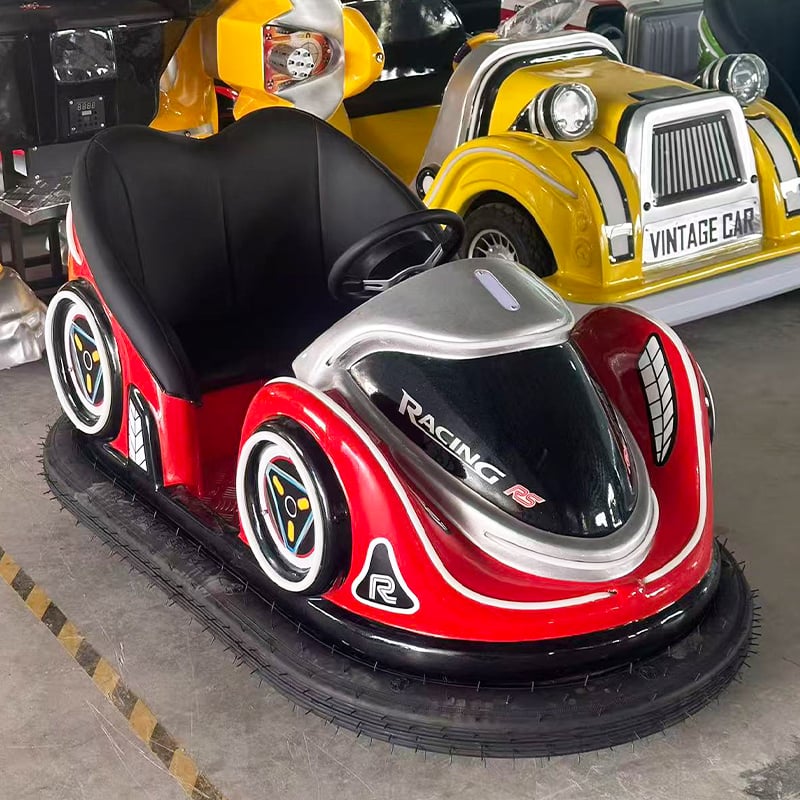
Moisture intrusion inside an outdoor bumper car controller box represents one of the most common operational challenges faced by amusement park operators and ride maintenance teams. When water, condensation, or moisture enters the electrical enclosure, it can compromise circuit boards, corrode connections, trigger short circuits, and ultimately shut down your entire ride system. Understanding the root causes and implementing effective troubleshooting procedures is essential for keeping your outdoor bumper car ride operational throughout the season.
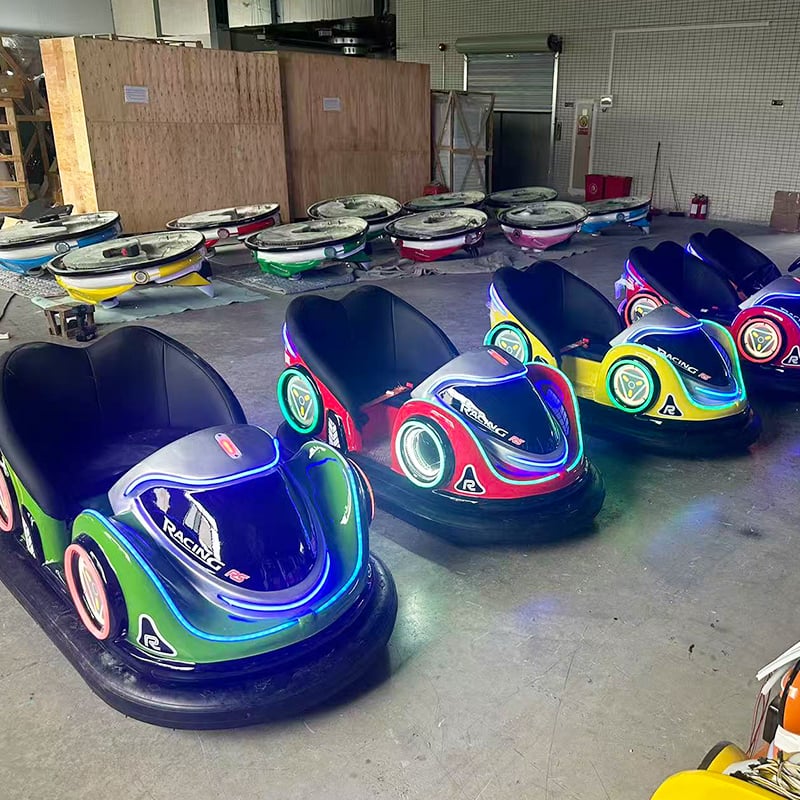
The controller box serves as the nerve center of your outdoor bumper car ride, managing power distribution, speed regulation, collision detection, and safety functions. Moisture contamination jeopardizes these critical functions and can lead to costly downtime, guest safety concerns, and accelerated component degradation. This guide walks you through identifying moisture problems, implementing immediate remedies, and adopting long-term weatherproof strategies to protect your battery bumper car investment.
Identifying Moisture Problems in the Controller Box
Visual Signs and Diagnostic Indicators
Begin troubleshooting by inspecting the exterior of the weatherproof bumper car controller enclosure for condensation on the interior walls, visible water droplets on circuit boards, or a musty odor emanating from the box. Look for corrosion patterns on metal connectors, discolored relay contacts, or white-green crystalline deposits on solder joints, which indicate prolonged exposure to moisture. For a battery bumper car system, check whether the controller intermittently loses connection with the ride cars or displays erratic power fluctuations, both symptoms of moisture-compromised electrical pathways.
Testing and Measurement Techniques
Use a non-contact moisture meter or hygrometer to measure relative humidity levels inside the sealed enclosure. Controller boxes for outdoor bumper car rides should maintain humidity below 50% during normal operation; readings above 70% indicate active moisture ingress. Inspect gasket seals around access panels and cable entry points using a visual check under bright light, and gently flex each seal to detect cracks or separation. For a battery bumper car system with multiple controller units, test all boxes systematically to identify patterns in moisture distribution across your installation.
Immediate Remediation Steps
Safe Drying and Moisture Removal
If moisture is confirmed inside an outdoor bumper car controller box, immediately disconnect power to prevent electrical hazards. Remove the controller box from the outdoor bumper car ride structure and transport it to a dry, climate-controlled environment. Place silica gel packets or desiccant bags inside the open enclosure, then allow passive drying for 24 to 48 hours in a warm room with low humidity. For stubborn moisture on circuit boards, use a gentle stream of compressed air set to low pressure, holding the nozzle 6 inches from sensitive components to dislodge water droplets without causing thermal shock.
Component Inspection and Cleaning
Once the box reaches acceptable humidity levels, visually inspect all connectors, relay terminals, and solder joints for corrosion or oxidation. Clean corroded copper contacts with a non-abrasive eraser or soft-bristled brush, being careful not to apply excessive pressure to delicate relay mechanisms. For weatherproof bumper car systems, gently wipe circuit board surfaces with lint-free, anti-static cloths slightly dampened with isopropyl alcohol to remove mineral deposits and residual moisture. Never immerse full controller assemblies in liquid; focus cleaning efforts on exposed surfaces and contact points that pose the highest risk for electrical failure.
Prevention and Long-Term Weatherproofing Solutions
Enclosure Upgrades and Seal Maintenance
Inspect all gaskets and rubber seals on your outdoor bumper car controller box quarterly, replacing any that show cracks, hardening, or loss of elasticity. Apply a thin layer of silicone grease around gasket edges to maintain flexibility and improve water resistance, creating a more reliable weatherproof bumper car installation. For battery bumper car systems installed in high-humidity or coastal environments, consider upgrading to NEMA 4X or IP67-rated enclosures, which offer superior sealed construction and drain provisions for any water that enters during extreme weather events.
Passive and Active Moisture Control
Install desiccant breathers on your outdoor bumper car controller box vents to allow pressure equalization while filtering out ambient moisture. Replace these breathers every 6 to 12 months, or whenever they show saturation color changes indicating moisture absorption. For battery bumper car installations in regions with significant temperature swings, include thermal insulation or radiant barriers around the enclosure to minimize condensation formation caused by rapid temperature differentials between day and night. Monitor humidity inside sealed boxes monthly using wireless data loggers that record trends, allowing you to detect developing moisture issues before they cause operational failures.
FAQ
Can moisture in an outdoor bumper car controller box cause permanent equipment damage?
Yes, prolonged moisture exposure can cause permanent corrosion of circuit traces, relay contacts, and connector pins, making components unrepairable. Early intervention through drying and cleaning procedures can often restore functionality, but repeated or severe moisture intrusion may require full controller replacement, which is significantly more expensive than preventive maintenance on your outdoor bumper car ride system.
How often should I inspect the weatherproof bumper car controller box for moisture?
Conduct visual inspections monthly during the operating season, and more frequently if your outdoor bumper car ride operates in coastal, tropical, or high-humidity climates. For battery bumper car systems, also implement quarterly deep inspections that include humidity meter readings and gasket condition assessments to catch developing problems early before they impact ride availability.
What is the best way to protect a battery bumper car controller from future moisture problems?
Combine multiple layers of protection: install desiccant breathers, maintain gasket integrity through regular inspection and replacement, use thermal management to minimize condensation, and position the outdoor bumper car controller box under a protective roof overhang or weatherproof cover. For the most critical installations, upgrade to a higher IP-rated enclosure designed specifically for outdoor bumper car ride environments to achieve maximum weatherproof bumper car system reliability.