
 EN


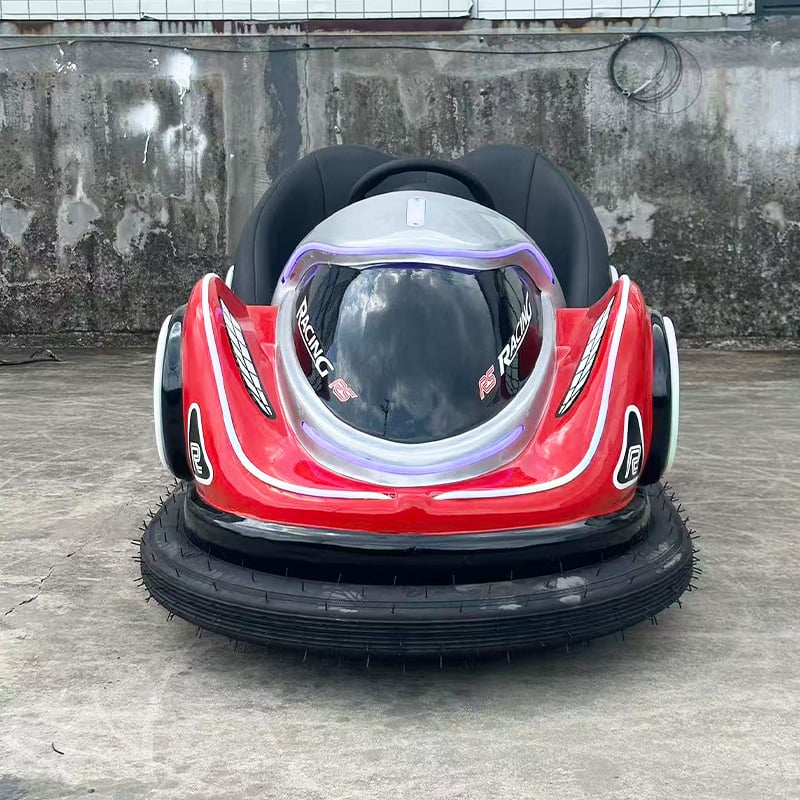
An outdoor bumper car losing traction on dusty surfaces is a common operational challenge that venue operators face, particularly during dry seasons or in arid climates. The friction between the tire and the ground diminishes significantly when dust accumulates, creating a slippery layer that prevents proper grip and control. This traction loss not only impacts the safety and enjoyment of riders but also increases wear on the vehicle's components and requires more frequent maintenance interventions.
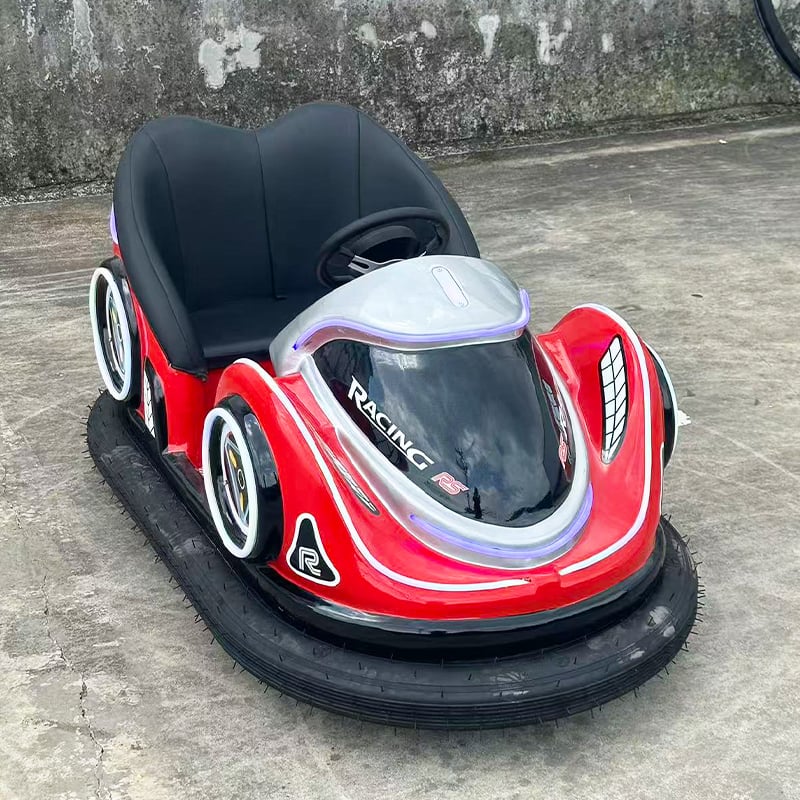
Understanding why this happens requires examining the interaction between tire rubber, dust particles, and surface physics. When you operate an outdoor bumper car ride in dusty conditions, the fine particles create a mechanical barrier between the tire and the actual road surface. The battery bumper car's weight distribution, motor performance, and steering responsiveness all become compromised when this traction loss occurs, making it essential for operators to implement proactive solutions and maintenance strategies.
How Dust Reduces Tire Grip on Outdoor Bumper Car Tracks
The Physics of Dust Layer Formation
Dust accumulation on outdoor bumper car ride surfaces occurs through wind deposition, vehicle movement, and environmental weathering. When an outdoor bumper car accelerates or brakes, the tire's rubber compound needs direct contact with the asphalt or concrete to generate friction. Dust creates an intermediate layer that prevents this contact, reducing the coefficient of friction dramatically. The finer the dust particles, the more effectively they roll under the tire rather than grip it, similar to how ball bearings reduce friction in machinery.
Moisture and Dust Interaction
When humidity or light moisture combines with dust on an outdoor bumper car track, the problem intensifies significantly. The dust particles become slightly damp and compact into a smoother, more slippery surface layer. This moisture-dust combination is particularly problematic for battery bumper car operations because the vehicle's braking distance increases unpredictably, and steering response becomes sluggish. Seasonal weather changes amplify this issue, making late afternoon or early morning sessions especially risky when dew or humidity is present.
Impact on Battery Bumper Car Performance and Safety
Traction Loss and Vehicle Control
A weatherproof bumper car depends entirely on tire grip to maintain predictable handling and response to steering inputs. When traction diminishes on dusty surfaces, the vehicle becomes difficult to control, and riders experience unpredictable movement patterns. The battery bumper car's motor continues to deliver power normally, but the wheels cannot translate that power effectively into directional movement. This creates a disconnect between rider expectations and actual vehicle behavior, increasing collision impact severity and raising safety concerns for outdoor bumper car ride operators.
Increased Mechanical Wear
Operating a weatherproof bumper car on dusty tracks forces the motor and transmission systems to work harder to achieve the same performance. The battery bumper car must compensate for reduced traction by increasing power output, which accelerates motor wear and reduces battery efficiency. Dust also infiltrates mechanical components despite weatherproof seals, causing abrasion and premature failure of bearings, gears, and electrical connectors. This increased wear translates directly into higher maintenance costs and more frequent downtime for outdoor bumper car ride operations.
Practical Solutions for Maintaining Traction Control
Regular Surface Cleaning and Maintenance
The most effective solution for an outdoor bumper car operation is implementing a comprehensive surface cleaning schedule. Daily sweeping or light pressure washing of the track removes accumulated dust before it becomes compacted and problematic. For an outdoor bumper car ride in high-traffic areas, multiple cleaning sessions during operating hours may be necessary, particularly in windy environments. Regular maintenance prevents the dust layer from building up to critical levels where traction loss becomes severe and dangerous for riders.
Tire Selection and Upgrade Considerations
Investing in high-grip tire formulations designed for outdoor bumper car applications significantly improves traction on dusty surfaces. Premium rubber compounds engineered for all-weather outdoor bumper car ride conditions provide better dust resistance and maintain grip despite environmental challenges. Tire pressure management also plays a role, as slightly higher pressure can reduce dust particle penetration into the tire tread. A battery bumper car equipped with upgraded tires demonstrates noticeably improved handling and safety, justifying the investment through reduced incident rates.
Environmental Control and Track Design
Strategic landscaping and windbreaks around an outdoor bumper car ride reduce dust generation and accumulation significantly. Paved surfaces designed with proper drainage prevent moisture pooling that converts dust into slippery sludge. Some venues implement water misting systems that lightly dampen the track surface, settling dust particles without creating muddy conditions. For a weatherproof bumper car operation, these environmental modifications represent a proactive investment in safety and performance consistency.
FAQ
Why does dust affect outdoor bumper car traction more than other factors?
Dust creates a continuous rolling layer between the tire and the track surface, preventing the direct rubber-to-pavement contact necessary for friction generation. Unlike temporary wet conditions that eventually drain, dust persists and accumulates throughout operating hours. An outdoor bumper car ride experiencing significant dust accumulation loses traction progressively unless active cleaning interventions occur, making it the primary controllable factor in traction loss scenarios.
Can a battery bumper car operate safely on dusty tracks with proper maintenance?
Yes, a weatherproof bumper car can operate safely on dusty tracks when operators implement rigorous cleaning schedules, use high-grip tires, and maintain strict speed limits during high-dust conditions. Regular surface cleaning before and during operating hours prevents critical traction loss. However, acknowledging the increased risk and taking preventive measures is essential for an outdoor bumper car ride operator to ensure rider safety and comply with liability standards.
What long-term solutions protect battery bumper car operations from dust-related traction issues?
Long-term solutions include upgrading to sealed, premium tire compounds designed for outdoor bumper car applications, implementing permanent track covers or canopies, installing automated cleaning systems, and redesigning track surfaces with materials that resist dust accumulation. Environmental controls like windbreaks and vegetation barriers reduce natural dust sources around an outdoor bumper car ride venue. These investments protect the vehicle fleet while providing consistent operational performance.