
 EN


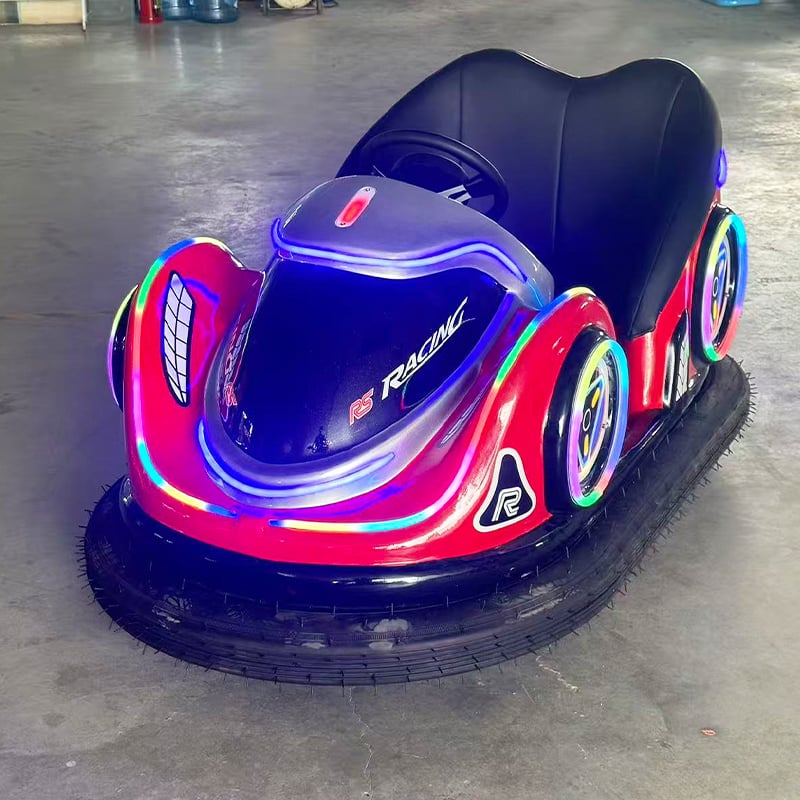
Choosing between a covered rink and an uncovered rink for your outdoor bumper car operation fundamentally affects equipment longevity, maintenance requirements, and return on investment. Weather exposure is one of the most significant factors determining how long your bumper car fleet remains operational and profitable. Understanding the lifespan differences between these two configurations helps amusement park operators and facility managers make informed decisions about infrastructure investment and asset preservation.
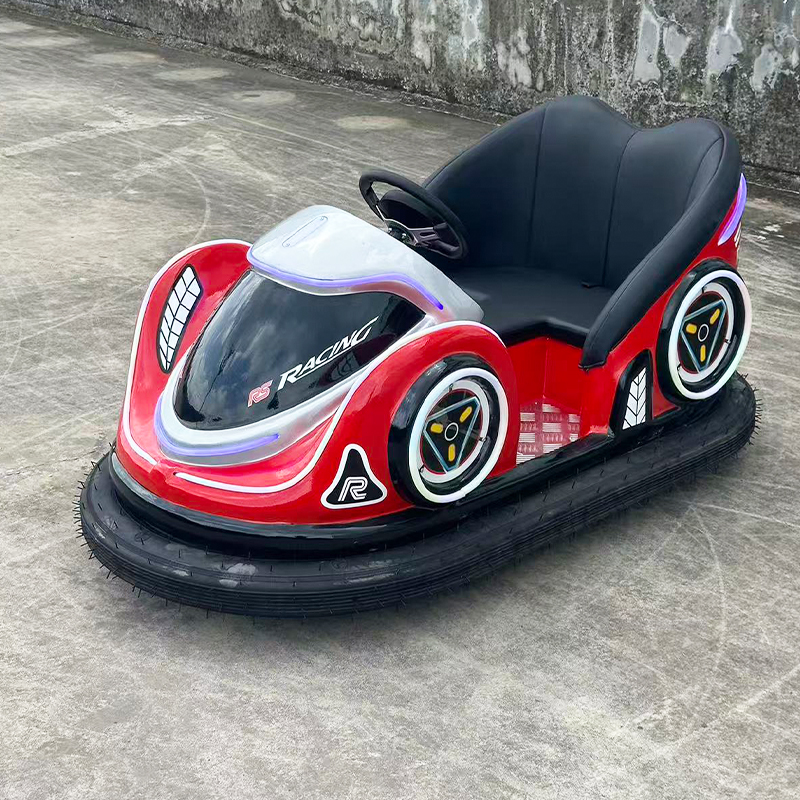
The outdoor bumper car ride industry increasingly recognizes that environmental protection directly correlates with equipment durability and service intervals. Operators managing both covered and uncovered installations report dramatically different maintenance schedules, replacement cycles, and total cost of ownership. This comparison examines how weather protection influences the lifespan of battery bumper car systems, structural integrity, electrical components, and overall asset value.
Environmental Impact on Weatherproof Bumper Car Performance
Direct Weather Exposure and Deterioration Patterns
Uncovered outdoor bumper car installations face constant exposure to rain, UV radiation, temperature fluctuations, and humidity cycling. These environmental stressors accelerate degradation of fiberglass bodies, rubber bumpers, electrical connectors, and paint finishes. The battery bumper car charging systems suffer particularly severe impacts from moisture intrusion, corrosion of battery terminals, and short-circuit risks during wet conditions. UV rays penetrate exposed paint layers, causing fading, chalking, and eventual structural vulnerability in polyester resin formulations used in bumper car construction.
Covered rink installations shield equipment from direct precipitation and reduce UV exposure by up to 80 percent, significantly extending weatherproof bumper car component lifecycles. The temperature stability within covered environments prevents the extreme thermal cycling that causes material brittleness, adhesive failure, and frame microcracking in uncovered outdoor bumper car units. Operators report that covered installations eliminate approximately 60 percent of weather-related maintenance incidents and extend bumper car service intervals from annual to biennial levels.
Protective Infrastructure Investment Versus Long-Term Savings
Building a covered rink structure requires substantial capital investment, typically ranging from 40,000 to 150,000 USD depending on size and material specifications. However, the outdoor bumper car ride protection justifies this expense through dramatically reduced replacement cycles and repair costs. Uncovered installations may appear cost-effective initially but require complete fiberglass body replacements every 4 to 6 years, whereas covered outdoor bumper car systems maintain structural integrity for 8 to 12 years or longer with proper maintenance.
Battery bumper car systems in covered facilities experience significantly lower failure rates because moisture-sensitive lithium-ion and lead-acid battery components remain protected from humid conditions. Operators can implement predictable maintenance schedules rather than reactive repair protocols triggered by weather damage. The cumulative savings in parts replacement, labor hours, and downtime recovery typically offset the initial covered rink construction investment within 6 to 8 years of operation.
Battery and Electrical System Longevity Comparison
Moisture Damage and Electrical Component Degradation
Battery bumper car charging infrastructure operates optimally when protected from moisture and temperature extremes. Uncovered installations expose charging connectors, motor windings, and control circuit boards to water infiltration, salt spray corrosion, and condensation accumulation during temperature transitions. These conditions accelerate insulation breakdown, increase short-circuit probability, and create safety hazards including electrical shock risks and fire potential during charging cycles. The outdoor bumper car ride industry reports that uncovered battery systems require complete motor and controller replacement three times more frequently than protected installations.
Covered rink environments maintain stable humidity levels and prevent standing water accumulation around charging stations, extending battery bumper car electrical component lifecycles from 3 to 4 years to 7 to 9 years. Sealed battery casings remain effective longer when not subjected to continuous moisture vapor penetration. The weatherproof bumper car electrical systems in covered installations maintain their insulation resistance ratings throughout their operational life, reducing electrical failure incidents by approximately 75 percent compared to uncovered alternatives.
Battery Chemistry Preservation and Charge Cycle Stability
Temperature stability directly influences battery bumper car chemical reactions and charge retention efficiency. Uncovered outdoor bumper car systems experience battery temperature swings ranging from -10 degrees Celsius to 50 degrees Celsius in harsh climates, causing electrolyte composition changes, internal crystal formation, and reduced charge capacity. Each temperature cycle degrades battery performance slightly, compounding over thousands of seasonal cycles to reduce overall lifespan by 30 to 40 percent. Battery bumper car systems in covered facilities maintain 20 to 30 degree temperature ranges, enabling consistent charge rates and predictable performance degradation curves.
Operators managing weatherproof bumper car installations observe that battery capacity retention remains stable even after four to five years of operation, whereas uncovered outdoor bumper car batteries lose 50 percent of original capacity within 3 years under extreme temperature conditions. This difference directly impacts operating hours per charge cycle and overall cost per ride revenue generated. The outdoor bumper car ride profitability improvements associated with extended battery bumper car lifespan represent one of the most quantifiable benefits of covered infrastructure investment.
Structural Integrity and Component Replacement Economics
Fiberglass and Composite Material Aging
Fiberglass bumper car bodies exposed to uncovered outdoor conditions experience matrix breakdown through UV photodegradation, moisture absorption, and thermal stress cycling. Water penetration into composite layers reduces structural stiffness, causes delamination between reinforcement layers, and creates soft spots vulnerable to collision damage. The outdoor bumper car fleet maintained outdoors typically shows visible stress cracking and fading within 18 to 24 months, whereas covered installations exhibit minimal cosmetic or structural degradation during the same timeframe. Weatherproof bumper car coatings degrade at dramatically slower rates in protected environments.
Battery bumper car chassis and frame integrity depends heavily on structural composite preservation. Uncovered outdoor bumper car installations face replacement or major restoration costs averaging 8,000 to 12,000 USD per vehicle after 5 to 7 years, whereas covered installations typically require only cosmetic refurbishment or minor component replacement during extended lifecycles. A 10-unit outdoor bumper car ride fleet in an uncovered facility requires approximately 3 to 4 complete frame replacements every decade, while covered alternatives require fewer than 1 major replacement over the same period.
Bumper and Collision Surface Maintenance
Rubber bumpers absorb moisture when exposed in uncovered outdoor bumper car installations, becoming brittle and losing impact-absorption properties. Weatherproof bumper car bumper materials degrade 40 percent faster in uncovered facilities, requiring replacement every 1.5 to 2 years rather than every 3 to 4 years in protected environments. The outdoor bumper car ride safety characteristics deteriorate when bumper materials lose cushioning capacity, potentially increasing collision impact transmission to passenger structures. Covered rink conditions preserve bumper elasticity and collision performance throughout extended operational cycles.
Paint and protective coatings on battery bumper car bodies require complete repainting every 2 to 3 years in uncovered installations but can operate 5 to 7 years between major refinishing in covered facilities. These cumulative material replacement costs significantly impact five-year and ten-year total cost of ownership calculations for outdoor bumper car operations. Facility managers increasingly recognize that weatherproof bumper car infrastructure investments reduce lifecycle costs despite higher initial capital requirements.
FAQ
How much longer do covered outdoor bumper cars last compared to uncovered units?
Covered outdoor bumper car systems typically operate 60 to 100 percent longer than uncovered alternatives. A properly maintained weatherproof bumper car installation can provide 10 to 15 years of service life, whereas uncovered outdoor bumper car rides typically require major replacement or restoration after 5 to 7 years. This extended lifespan represents the most significant operational advantage of covered infrastructure investments for battery bumper car fleets.
What specific maintenance improvements result from covering an outdoor bumper car installation?
Covered outdoor bumper car facilities require approximately 60 percent less preventive maintenance than uncovered installations. Battery bumper car charging systems experience fewer moisture-related failures, weatherproof bumper car body materials degrade more slowly, and electrical components maintain their integrity ratings longer. Maintenance intervals can extend from monthly to quarterly for most outdoor bumper car systems, reducing labor costs and operational downtime significantly.
Can weatherproof bumper car systems in uncovered facilities achieve comparable lifespans through enhanced maintenance protocols?
Intensive maintenance protocols can marginally extend uncovered outdoor bumper car lifespan, but covered installations typically outlast well-maintained uncovered systems by 40 to 60 percent. The fundamental challenge of protecting battery bumper car electrical systems from moisture, UV radiation, and temperature cycling cannot be completely overcome through maintenance alone. Most operators find that covering an outdoor bumper car ride facility provides superior long-term value compared to managing uncovered systems with aggressive maintenance schedules.
Table of Contents
- Environmental Impact on Weatherproof Bumper Car Performance
- Battery and Electrical System Longevity Comparison
- Structural Integrity and Component Replacement Economics
-
FAQ
- How much longer do covered outdoor bumper cars last compared to uncovered units?
- What specific maintenance improvements result from covering an outdoor bumper car installation?
- Can weatherproof bumper car systems in uncovered facilities achieve comparable lifespans through enhanced maintenance protocols?