
 EN


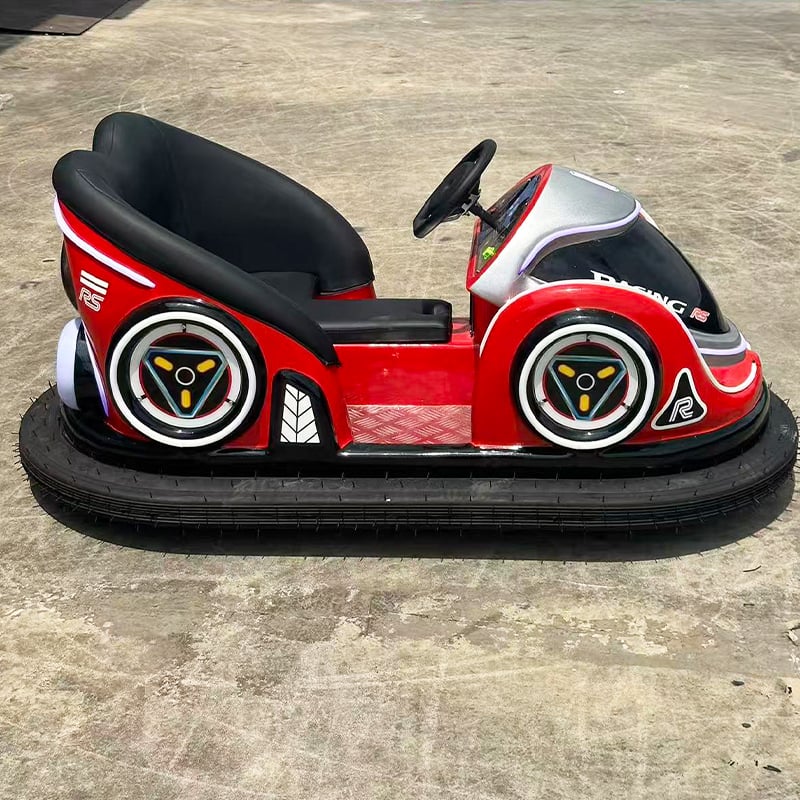
Operating an outdoor bumper car rink in hot climates presents unique operational challenges that directly impact guest satisfaction, equipment lifespan, and profitability. High temperatures accelerate component degradation, reduce battery efficiency, and create unsafe conditions if proper management practices are not implemented. Success in these environments requires a comprehensive understanding of thermal stress management, weatherproof design specifications, and proactive maintenance protocols.
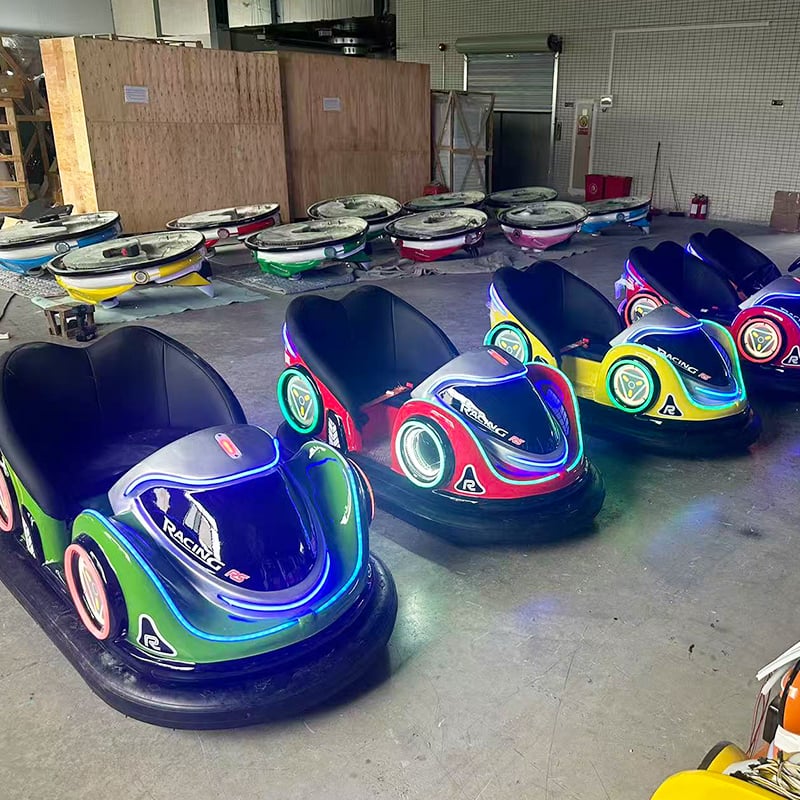
The outdoor bumper car ride industry has evolved significantly with advances in weatherproof materials and battery technology designed specifically for high-temperature operations. Operators who invest in the right equipment and follow systematic optimization practices can maintain peak performance while extending asset life and reducing unexpected downtime. This guide explores the critical optimization practices that enable successful outdoor bumper car operations in challenging hot climate conditions.
Thermal Management and Equipment Protection
Cooling System Design and Implementation
Heat management forms the foundation of any successful outdoor bumper car operation in hot climates. The weatherproof bumper car design must incorporate active cooling systems or strategic ventilation pathways to prevent internal component temperatures from exceeding safe operating ranges. Motor controllers, battery management systems, and electrical connections all suffer accelerated wear when exposed to sustained high temperatures without adequate thermal dissipation mechanisms.
Shade structures and overhead canopies significantly reduce direct solar radiation exposure, lowering ambient temperatures by five to fifteen degrees Fahrenheit depending on design and material selection. Strategic positioning of the rink itself, considering local wind patterns and sun trajectory throughout the operating season, provides passive thermal benefits that reduce cooling equipment demand. Some operators implement misting systems around the perimeter, which use evaporative cooling principles to lower surrounding air temperatures while improving guest comfort during peak heat hours.
Material Selection for Heat Resistance
The battery bumper car frame, bumpers, and seating surfaces must be constructed from materials rated for continuous exposure to UV radiation and extreme temperatures. Fiberglass reinforced composite materials remain industry standard because they resist thermal expansion, maintain structural integrity under stress, and do not conduct excessive heat into the passenger compartment. Rubber components, including bumpers and grounding strips, require formulations specifically engineered for hot climate applications to prevent brittleness and performance degradation.
Protective coatings and sealants create barriers against moisture intrusion and oxidation, both of which accelerate under high-temperature conditions. Application of reflective or light-colored surface treatments reduces solar heat absorption compared to darker finishes, creating measurable temperature reductions inside passenger compartments. Regular inspection of coatings ensures early detection of UV damage, allowing timely reapplication before structural compromise occurs.
Battery Performance and Power Management
Battery Selection and Maintenance Protocols
Battery bumper car operations depend entirely on energy storage systems optimized for high-temperature performance. Lithium iron phosphate and advanced lead-acid formulations designed for industrial outdoor use deliver superior cycle life and thermal stability compared to standard consumer batteries. Temperature monitoring systems should track cell-level temperatures continuously, triggering automated load reduction if readings exceed manufacturer specifications, preventing thermal runaway and capacity loss.
Charging schedules require adjustment for hot climate operations, with extended cooling periods between cycles preventing cumulative heat stress that rapidly degrades battery chemistry. Chargers equipped with temperature-compensated algorithms deliver optimal current profiles that account for elevated ambient conditions, ensuring consistent charge acceptance and cycle longevity. Battery replacement intervals shorten in extreme heat environments, making cost-of-ownership calculations and lifecycle planning essential for budget forecasting and operational sustainability.
Power Consumption Optimization
Motor efficiency becomes critical when outdoor bumper car rides operate extended daily schedules in hot climates. Brushless electric motors with advanced control electronics deliver superior efficiency compared to brush-type alternatives, particularly during continuous-duty cycles where heat generation compounds thermal stress. Regenerative braking systems recover energy during deceleration, improving range and reducing peak battery discharge rates, which helps battery cells operate at lower temperatures with extended cycle life.
Voltage optimization strategies match motor speed and torque demands precisely to current operating conditions, avoiding unnecessary overcurrent scenarios that generate excess heat. Route planning and operational scheduling that concentrates peak activity during cooler morning and evening hours reduces overall thermal stress accumulation across the fleet. Power monitoring systems provide real-time visibility into consumption patterns, enabling operators to identify inefficiencies and implement corrective adjustments before performance degradation becomes guest-visible.
Maintenance, Safety, and Operational Excellence
Preventive Maintenance Scheduling
Outdoor bumper car rinks operating in hot climates require more frequent maintenance cycles than temperate-zone facilities. Weekly inspections should verify weatherproof seals, electrical connection integrity, and battery system functionality, with immediate corrective action addressing any observed deterioration. Monthly deep cleaning removes dust, mineral deposits, and debris that accumulate rapidly in arid or dusty environments, preventing cooling system fouling and electrical connector corrosion.
Lubrication requirements increase because elevated temperatures accelerate lubricant breakdown, reducing protective film strength on moving components. Replacement intervals for belt drives, bearing assemblies, and pivot points should be reduced by twenty to thirty percent compared to standard temperate-climate schedules. Documentation systems tracking maintenance history enable predictive failure analysis, allowing operators to identify patterns and perform targeted replacements before unexpected failures impact guest experience.
Guest Safety and Experience Management
Heat stress risk management must be integrated into operational protocols, with water stations and shaded rest areas positioned throughout the outdoor bumper car facility. Ride intensity restrictions during peak heat hours protect guests from exertion-related complications while reducing simultaneous power draw that compounds thermal stress on battery systems. Operator training programs should emphasize early recognition of heat-related guest distress and rapid-response protocols that prioritize patron safety above schedule maintenance.
Regular safety audits confirm that all electrical systems remain properly grounded despite corrosion challenges unique to hot climates, and that battery containment systems prevent thermal runaway incidents. Upgrade cycles that replace aging equipment with newer weatherproof bumper car models incorporating improved thermal management reduce long-term safety risks and operational complexity. Transparent communication with guests about operational status and any temporary capacity reductions builds trust while preventing disappointment from unexpected closures.
FAQ
How does extreme heat specifically affect battery bumper car performance?
High temperatures accelerate chemical reactions inside battery cells, reducing overall capacity and cycle life. A battery bumper car operating in a 95-degree environment loses approximately five to seven percent more capacity per charging cycle compared to the same vehicle operated at seventy-five degrees. Thermal stress compounds across multiple ride cycles, with cumulative damage reducing usable range and increasing power delivery demands on motor controllers that generate additional heat.
What is the ideal maintenance schedule for weatherproof bumper cars in hot climates?
Weatherproof bumper car systems should be inspected weekly for seal integrity and electrical connections, with monthly deep cleaning and lubrication reapplication. Battery testing should occur every two weeks rather than monthly, allowing early detection of thermal degradation patterns. Quarterly comprehensive system audits assess coating condition, thermal dissipation effectiveness, and overall equipment readiness, enabling proactive replacement decisions before guest-facing failures occur.
Can outdoor bumper car rides operate safely during peak afternoon heat?
Outdoor bumper car ride operations can continue during peak heat with proper thermal management systems in place, though ride intensity and duration may require adjustment to prevent heat-related guest complications. Canopy coverage, active cooling systems, and battery monitoring allow safe operation even in extreme conditions. However, operators should implement scheduled maintenance windows during peak heat periods when thermal monitoring indicates stress approaching maximum safe thresholds, prioritizing guest safety over revenue maximization during the most challenging operating hours.