
 EN


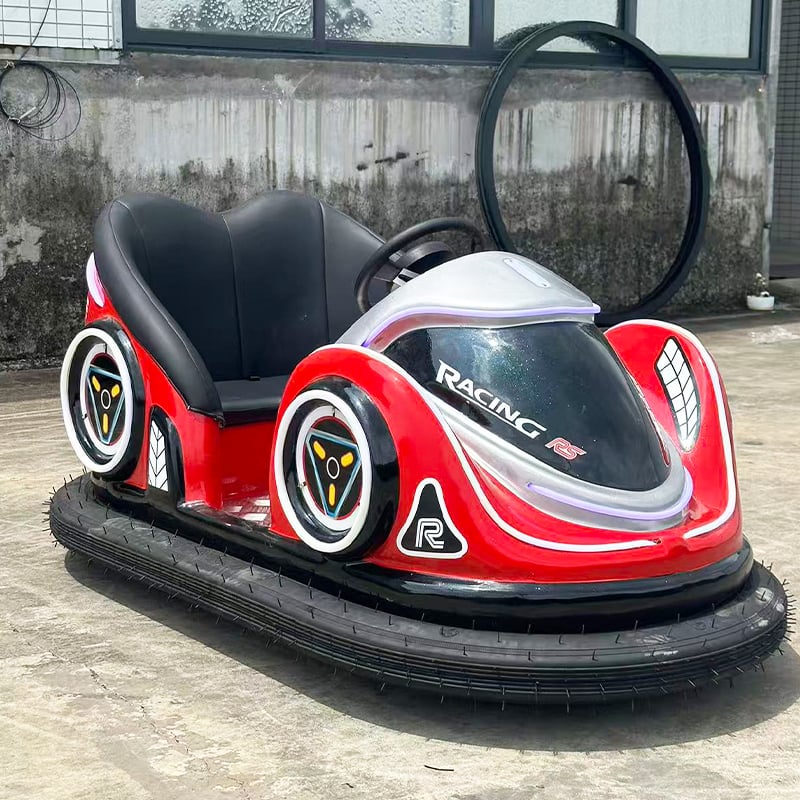
An outdoor bumper car operates in harsh environmental conditions where sun exposure, moisture, temperature fluctuations, and mechanical stress constantly challenge structural integrity. Selecting the right protection ratings and sealing methods directly impacts ride longevity, safety compliance, maintenance frequency, and return on investment for amusement park operators and recreational facilities.
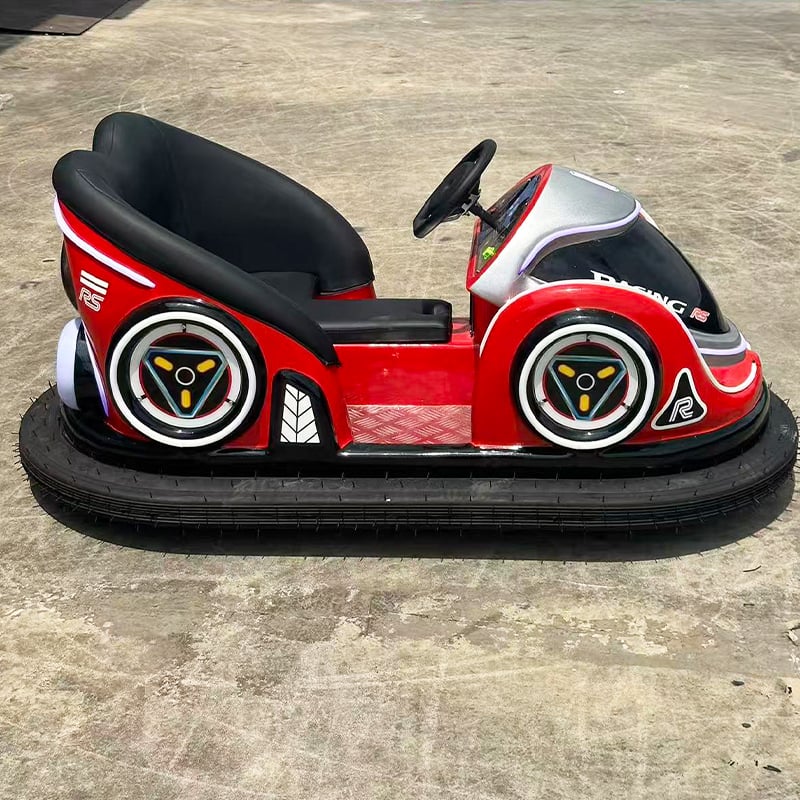
Understanding protection ratings and sealing choices ensures your outdoor bumper car ride remains functional, safe, and visually appealing throughout its operational life. This guide explores the critical standards, materials, and practical decisions that distinguish reliable outdoor installations from those prone to premature deterioration and costly repairs.
IP Ratings and Environmental Protection Standards
What IP Ratings Mean for Outdoor Bumper Car Rides
IP ratings, formally known as Ingress Protection ratings, define how effectively equipment resists water and dust penetration. An outdoor bumper car ride must meet IP54 or higher standards to protect electrical components, motors, and control systems from environmental hazards. The first digit indicates dust resistance on a scale from 0 to 6, while the second digit measures water resistance from 0 to 9, with higher numbers denoting stronger protection.
For an outdoor bumper car ride operating in exposed conditions, IP54 provides basic protection against water spray and limited dust ingress, suitable for covered installations or regions with moderate rainfall. IP55 ratings offer stronger water jet resistance and are recommended for semi-exposed locations. IP67 and IP68 ratings provide complete dust sealing and temporary or continuous immersion protection, making them ideal for outdoor bumper car applications in flood-prone or extremely wet climates.
Compliance and Certification Requirements
Manufacturers of battery bumper car systems must provide certified IP ratings verified through independent testing laboratories. Compliance documentation should reference international standards such as IEC 60529, which defines ingress protection classifications globally. A weatherproof bumper car should come with detailed IP rating certificates for the chassis, motor housing, electrical connectors, and control panel enclosures.
Operators purchasing outdoor bumper car ride equipment must request full compliance documentation before installation. This documentation protects liability exposure, ensures warranty validity, and facilitates insurance claims if environmental damage occurs. Many jurisdictions require proof of IP compliance before permitting outdoor amusement equipment operation.
Sealing Materials and Durability Solutions
Gasket and Seal Technologies for Bumper Car Protection
Gaskets and seals form the physical barrier between outdoor elements and sensitive internal components in any outdoor bumper car ride. Elastomeric materials like EPDM rubber, silicone, and nitrile provide flexibility, temperature resistance, and compression set stability needed for long-term outdoor exposure. EPDM gaskets resist ultraviolet radiation and ozone degradation, making them superior to standard rubber for weatherproof bumper car applications.
Polyurethane seals offer excellent mechanical strength and resistance to abrasion, reducing failures from vibration and impact typical in bumper car environments. Quality battery bumper car manufacturers employ dual-lip seals or multi-stage sealing systems that maintain integrity even as primary seals age. Regular inspection of gasket condition and scheduled replacement every 2 to 3 years prevents water infiltration and electrical failures.
Protective Coatings and Surface Treatments
Fiberglass bodies and metal components on an outdoor bumper car require protective coatings that resist UV degradation, salt spray, and water penetration. Marine-grade polyester resins and topcoat UV stabilizers preserve color vibrancy and structural strength in exposed outdoor bumper car ride installations. Epoxy primers and polyurethane topcoats create corrosion-resistant layers on aluminum frames and steel reinforcements.
For battery bumper car systems in coastal environments or areas with road salt exposure, hot-dip galvanizing or electroplating provides enhanced corrosion protection to structural components. Weatherproof bumper car designs often incorporate self-healing coatings that automatically seal minor scratches, extending maintenance intervals and reducing long-term ownership costs.
Battery and Electrical Component Protection
Sealed Battery Enclosures and Power Systems
The battery bumper car industry has evolved significantly in enclosure design to prevent moisture intrusion into charging systems and power distribution. Sealed battery boxes with integrated drain plugs, ventilation pathways, and desiccant cartridges maintain optimal humidity levels within the compartment. An outdoor bumper car ride requires battery enclosures rated at minimum IP65 to withstand splash and spray exposure during operation and weather events.
Advanced battery bumper car models feature heated battery enclosures that maintain optimal operating temperature ranges in cold climates, improving discharge efficiency and extending battery lifespan. Temperature monitoring sensors trigger alerts when conditions approach unsafe thresholds. These systems are particularly valuable for outdoor bumper car ride facilities in northern regions with extended cold seasons.
Connector Protection and Circuit Management
Electrical connectors represent critical failure points in weatherproof bumper car design. Sealed connectors with gold-plated contacts resist corrosion better than standard brass connections, ensuring reliable power transmission in humid outdoor environments. Multi-pin connectors designed for high-current applications must incorporate silicone sealing boots and overmold designs that prevent moisture wicking into connector cavities.
Modern outdoor bumper car ride systems employ intelligent circuit management with automatic moisture detection and shutdown protocols. When humidity levels exceed safe thresholds within electrical enclosures, the system triggers warnings and reduces operational hours until conditions stabilize. This proactive approach minimizes catastrophic electrical failures and enhances safety compliance for operating facilities.
FAQ
What IP rating should an outdoor bumper car ride maintain?
Most outdoor bumper car installations should maintain minimum IP54 ratings, with IP55 recommended for semi-exposed locations and IP67 preferred for fully exposed or flood-prone environments. The specific rating depends on local climate conditions, coverage availability, and operational season. Battery bumper car manufacturers typically provide IP-rated component breakdowns so operators can select appropriate equipment for their specific site conditions. Weatherproof bumper car designs certified to IP55 or higher offer significant long-term reliability advantages.
How often should gaskets and seals be inspected on an outdoor bumper car ride?
Gaskets and seals on an outdoor bumper car ride should undergo quarterly visual inspections for visible cracks, hardening, or compression set loss. Professional gasket replacement is typically recommended every 2 to 3 years depending on climate severity and operational intensity. A battery bumper car operating in harsh environments may require annual seal replacement. Scheduled maintenance prevents unexpected electrical failures and maintains the weatherproof bumper car's effectiveness against moisture infiltration.
Can battery bumper car systems operate safely in coastal salt-spray environments?
Yes, battery bumper car systems can operate in coastal environments when properly specified with hot-dip galvanized components, sealed electrical enclosures, and marine-grade protective coatings. An outdoor bumper car ride in salt-spray zones requires more frequent maintenance and coating inspection to prevent corrosion breakthrough. Operators should implement monthly rinsing protocols to remove salt deposits and select battery bumper car models specifically engineered for maritime conditions. Weatherproof bumper car installations in coastal regions represent higher maintenance investment but remain viable with proper planning.