
 EN


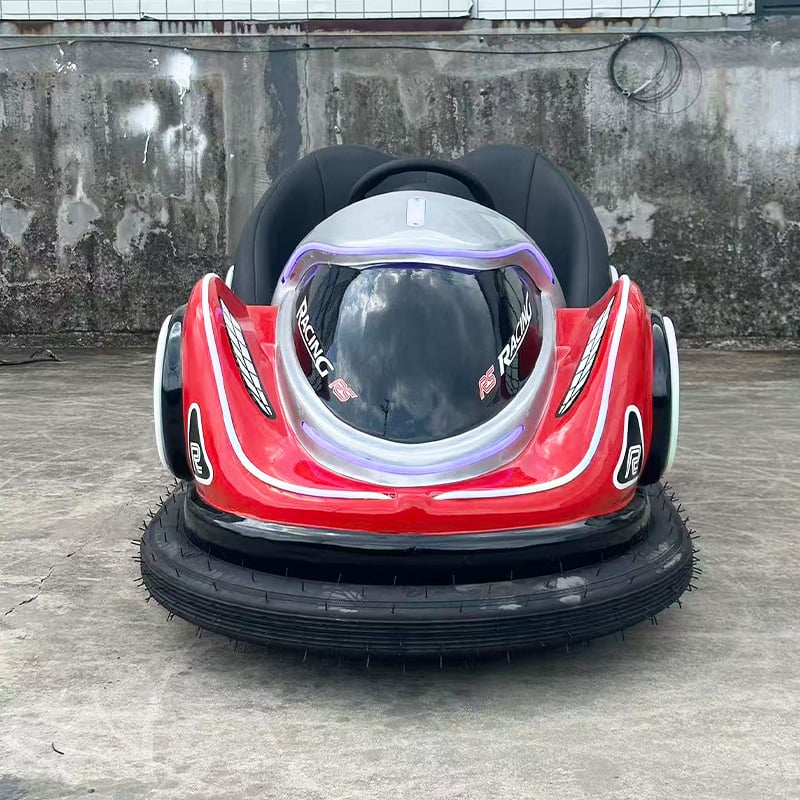
Temperature swings represent one of the most significant challenges facing operators of an outdoor bumper car attraction. Battery performance in recreational bumper car rides depends heavily on maintaining stable operating temperatures, yet outdoor environments present constant thermal stress. When temperatures fluctuate dramatically between day and night, or across seasons, battery capacity and longevity suffer measurably. Understanding these thermal effects is essential for amusement park operators who rely on consistent ride availability and safe guest experiences.
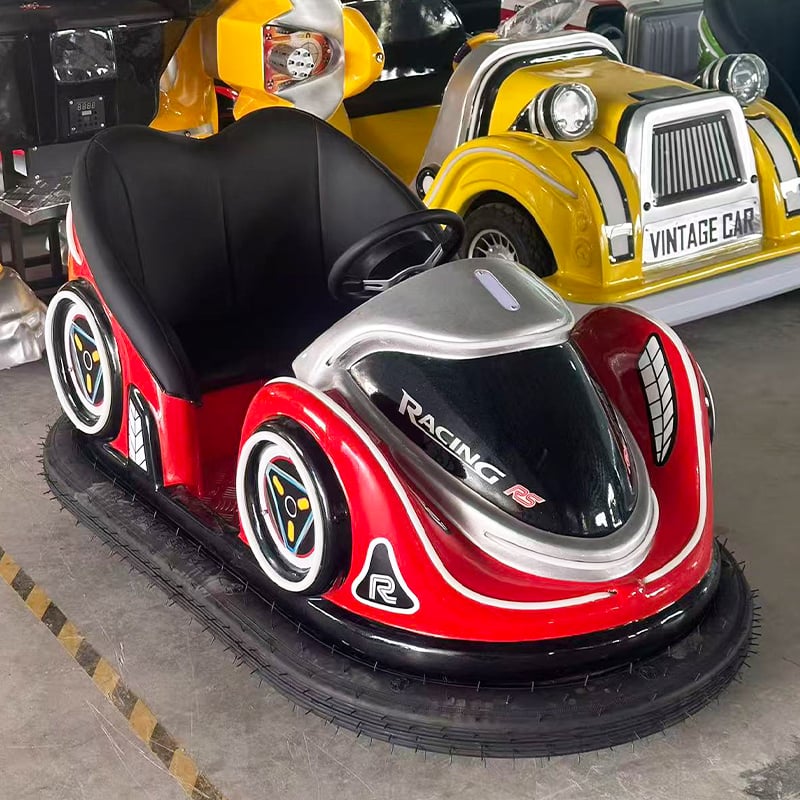
Modern outdoor bumper car ride systems depend on battery technology that must withstand environmental pressures while delivering reliable power. A weatherproof bumper car battery must handle rapid temperature changes without losing capacity or failing prematurely. Operators face mounting pressure to maintain uptime while managing seasonal weather variations and unexpected thermal extremes that can reduce battery effectiveness by 20 to 30 percent in worst-case scenarios.
How Temperature Extremes Damage Battery Chemistry
Cold Temperature Effects on Battery Bumper Car Systems
Cold weather creates immediate challenges for any battery bumper car installation. When temperatures drop below optimal operating ranges, typically below 32 degrees Fahrenheit, chemical reactions inside battery cells slow dramatically. This reduced reaction rate lowers the available voltage and current output, meaning the bumper car ride operates with diminished power. Guests experience sluggish acceleration, reduced run time per charge cycle, and inconsistent handling characteristics that compromise ride quality and safety protocols.
Long-term cold exposure accelerates permanent capacity loss. Repeated freezing cycles cause internal battery components to contract and expand unevenly, creating microscopic fractures in electrode materials and separator membranes. Over a season of cold-weather operation, a battery bumper car may lose 10 to 15 percent of its nominal capacity permanently, requiring more frequent charging and reducing overall ride availability.
Heat Stress and Battery Degradation
Heat poses equally severe threats to outdoor bumper car ride batteries. Elevated temperatures accelerate chemical degradation reactions within battery cells, promoting internal corrosion and electrolyte decomposition. When summer temperatures exceed 95 degrees Fahrenheit, a weatherproof bumper car battery system experiences elevated self-discharge rates, losing charge even when not in use. This thermal stress reduces cycle life significantly, sometimes by 50 percent or more over multiple seasons.
Thermal runaway represents the most dangerous scenario. If an outdoor bumper car ride battery encounters extreme heat during charging or operation, internal temperature can spiral uncontrollably, potentially causing venting, thermal damage, or safety incidents. Proper thermal management and protective charging systems become critical safeguards for outdoor bumper car ride installations operating in hot climates.
Thermal Cycling and Battery Performance Decline
Daily Temperature Swings Impact on Cycle Life
The most damaging scenario combines both extremes: rapid temperature swings between hot days and cold nights. Each cycle of heating and cooling stresses battery materials mechanically and chemically. Particles within the battery expand and contract at different rates, creating mechanical stress that gradually degrades internal connections. Over hundreds of thermal cycles during a single season, this mechanical fatigue substantially reduces the battery bumper car lifespan and accelerates failure timelines.
Spring and fall transitions prove particularly punishing. When morning temperatures start near freezing and afternoon heat peaks at 85 degrees Fahrenheit, a battery bumper car system experiences rapid internal stress changes. Operators of outdoor bumper car ride attractions report that maintenance demands spike during these transition seasons as thermal cycling accelerates degradation of components under stress.
Seasonal Performance Variability
Outdoor bumper car ride performance fluctuates noticeably across seasons. Summer operation yields strong ride performance initially, but extended heat accelerates battery aging. Winter operation produces lower power output and shorter run times. Spring and fall transitions create unpredictable performance as thermal cycling intensifies wear. Operators managing outdoor bumper car attractions must plan maintenance schedules and capacity buffers around these seasonal patterns to maintain consistent guest experiences.
A weatherproof bumper car battery requires design features that stabilize internal temperature. Thermal insulation, ventilation design, and charge controller settings that account for ambient conditions help mitigate temperature-driven performance loss. Operators who invest in climate-appropriate battery systems and maintenance protocols experience far fewer operational disruptions than those using generic battery solutions unsuitable for outdoor environments.
Operational Solutions for Temperature Management
Battery Selection and Installation Best Practices
Choosing appropriate battery technology represents the first defense against temperature-related failures. Outdoor bumper car ride operators should select batteries specifically designed for thermal extremes, featuring robust materials, improved separator chemistry, and active thermal management. Lithium iron phosphate and advanced lead-acid formulations engineered for outdoor applications deliver superior performance across broader temperature ranges than standard batteries.
Installation location influences thermal performance significantly. Placing battery bumper car charging stations in shaded areas reduces direct sun exposure during peak heat hours. Proper ventilation around battery enclosures allows heat dissipation while protective covers minimize exposure to freezing rain and snow. Elevated mounting positions prevent water pooling and ice formation that compromise electrical safety and accelerate corrosion.
Maintenance and Monitoring Protocols
Proactive monitoring systems detect temperature-driven performance degradation before failures occur. Modern outdoor bumper car ride operators implement battery management systems that track voltage, current, and temperature continuously. These systems provide early warnings when thermal conditions approach dangerous thresholds, allowing technicians to adjust charging parameters, reduce operational load, or temporarily close rides before equipment damage develops.
Seasonal maintenance routines address temperature-specific concerns. Before winter, weatherproof bumper car battery systems should undergo deep inspection for corrosion, water intrusion, and connection integrity. Summer preparation includes verifying cooling systems function properly and confirming charge controller settings prevent overcharging in high-heat conditions. Regular testing of battery capacity under temperature-controlled conditions reveals degradation trends, enabling timely replacement before performance impacts guest safety or satisfaction.
FAQ
Does cold weather permanently damage outdoor bumper car batteries?
Cold weather causes temporary capacity loss that reverses when temperatures normalize, but repeated freezing cycles create permanent degradation through mechanical stress on internal components. A battery bumper car exposed to hundreds of freeze-thaw cycles per season loses cumulative capacity that cannot be recovered. This is why an outdoor bumper car ride in cold climates requires batteries specifically rated for low-temperature operation and more frequent replacement intervals than similar rides in mild climates.
What temperature range is ideal for a weatherproof bumper car battery?
Most modern battery bumper car systems perform optimally between 50 and 85 degrees Fahrenheit. Outside this range, performance degrades and aging accelerates. A weatherproof bumper car battery rated for outdoor use typically maintains 80 to 90 percent capacity between 32 and 95 degrees Fahrenheit, though specialized formulations extend these boundaries. Operators should select outdoor bumper car ride equipment rated for the minimum and maximum temperatures their location experiences.
Can proper charging procedures reduce temperature damage to an outdoor bumper car battery?
Yes, intelligent charge controllers designed for outdoor bumper car ride applications reduce temperature-related wear substantially. Temperature-compensated charging systems adjust voltage and current based on ambient conditions, preventing overcharging in heat and undercharging in cold. A battery bumper car system with adaptive charging extends lifespan significantly compared to fixed-parameter chargers. Operators managing outdoor bumper car attractions should invest in temperature-aware charging infrastructure as a cost-effective strategy to maximize battery longevity and minimize replacement expenses.