
 EN


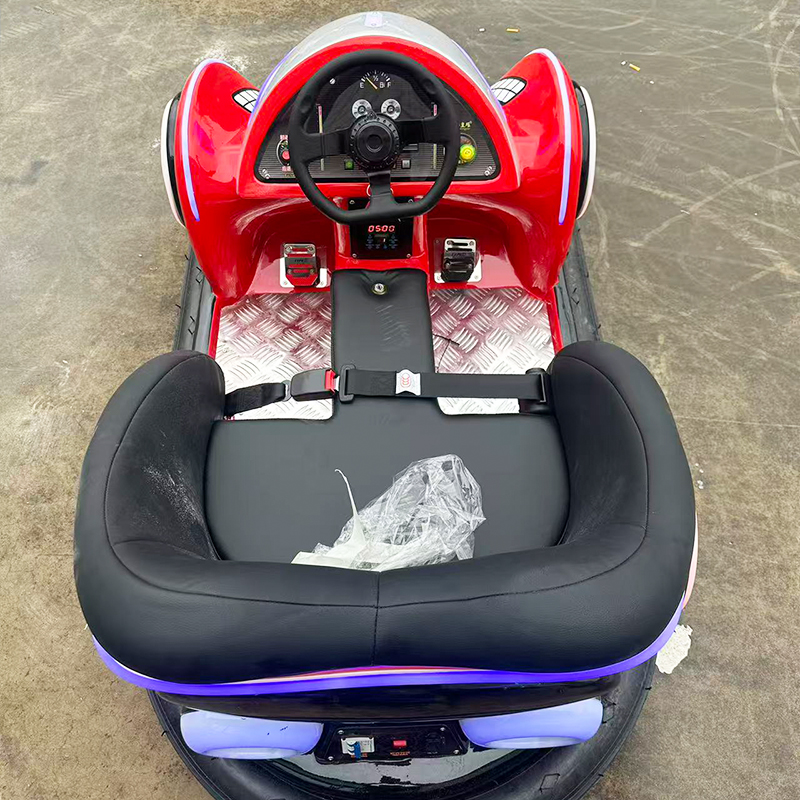
Understanding frame size and turning radius is essential when selecting or designing a mini bumper car for amusement parks, family entertainment centers, or other recreational venues. These two specifications directly influence vehicle maneuverability, track efficiency, operator safety, and the overall riding experience.
Frame size determines the physical footprint, weight distribution, rider capacity, and space requirements of the vehicle. Turning radius determines how sharply the vehicle can change direction and how much space it needs to complete a turn. Together, these factors determine whether a small bumper car is suitable for a particular venue, track layout, and target audience.
A properly sized frame combined with an appropriate turning radius creates a vehicle that is responsive, stable, and enjoyable. Operators should therefore evaluate both specifications together rather than considering them separately.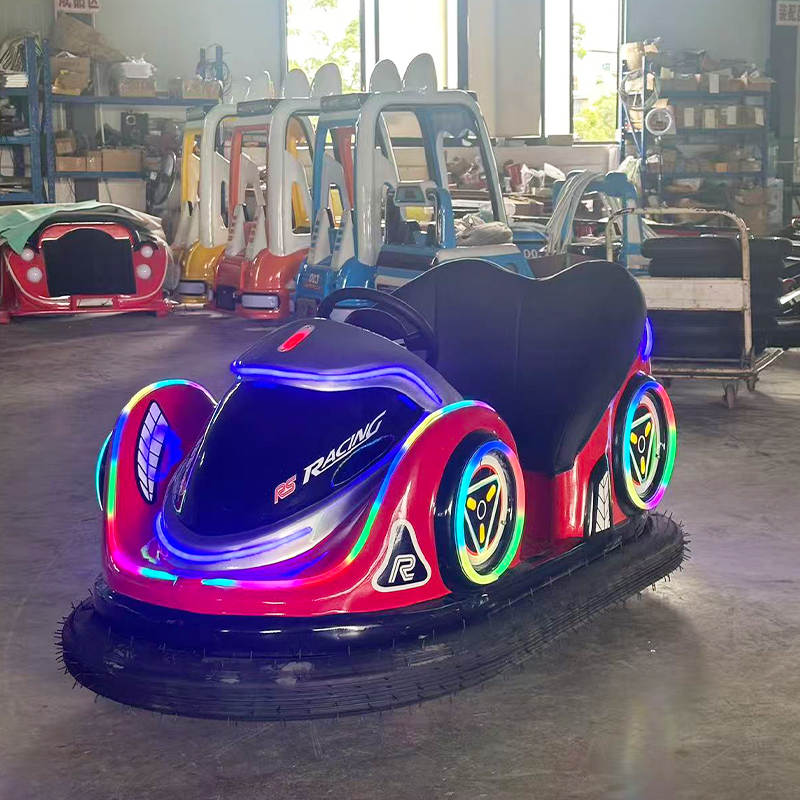
Frame Size and Its Impact on Mini Bumper Car Design
Defining Frame Dimensions and Physical Specifications
Frame size in a mini bumper car refers to the overall length, width, and height of the vehicle chassis and body. A typical small bumper car may measure approximately 3.5 to 5.5 feet in length and 2.5 to 4 feet in width, depending on its design and intended application. The height commonly ranges from 2.5 to 3.5 feet, providing riders with clear visibility while helping maintain a relatively low center of gravity.
These dimensions need to balance rider capacity, maneuverability, structural strength, and available track space. A compact frame can be particularly useful in indoor venues where floor area is limited.
Frame material and construction also affect vehicle performance. Many modern compact bumper car designs combine fiberglass bodies with steel or aluminum chassis. This combination provides a balance between structural strength and manageable vehicle weight.
A properly engineered frame helps distribute impact forces during collisions and supports important components such as the battery, motor, steering system, and bumper assembly. As a result, frame design directly affects how a kids bumper car responds during normal operation and repeated impacts.
Frame Size for Different Venue Environments
The appropriate frame size depends heavily on the venue and intended riders. Indoor family entertainment centers often require smaller vehicles because limited floor space makes maneuverability and track utilization especially important.
Outdoor amusement parks usually have larger operating areas and may accommodate slightly larger vehicles. These models can provide additional space and comfort for mixed-age riders while still maintaining suitable maneuverability.
Operators should also consider ceiling height, track width, entrance and exit areas, and traffic flow. A small bumper car designed for a compact indoor track should provide enough clearance for turning and passing without creating unnecessary congestion.
Before purchasing a fleet, operators should measure the available track area and determine how many vehicles can operate safely at the same time. Frame dimensions should be considered alongside vehicle spacing and track design rather than simply selecting the smallest available model.
Turning Radius Mechanics and Vehicle Agility
Understanding Turning Radius in Bumper Car Performance
Turning radius describes how tightly a kids bumper car can turn. It is an important specification because it affects maneuverability, directional changes, and interaction between vehicles on the track.
A typical small bumper car may have a turning radius of approximately 3 to 6 feet, depending on wheelbase, steering mechanism, frame geometry, and vehicle design. A tighter turning radius allows the vehicle to navigate smaller spaces and make quicker directional changes.
The relationship between wheelbase and turning radius is particularly important. Vehicles with shorter wheelbases generally require less space to complete a turn. However, maximum maneuverability is not always the ideal solution. A vehicle that turns too quickly may be difficult for inexperienced riders to control, particularly in children's amusement environments.
Operators should therefore consider turning performance together with rider age, track size, and desired ride intensity.
Steering Systems and Turning Performance
The steering system directly affects how a mini bumper car responds to driver input. Steering ratio, wheel alignment, and steering sensitivity can all influence directional control.
A more responsive steering system allows faster changes of direction, but excessive sensitivity may result in unpredictable movement. For children's rides, controlled steering behavior can help create a more stable and manageable riding experience.
Suspension and wheel alignment also contribute to turning performance. A properly maintained suspension system helps maintain tire contact with the track surface during cornering, while correct wheel alignment helps prevent unwanted pulling or drifting.
Some compact bumper car models allow steering sensitivity or related settings to be adjusted for different operating environments. Regular inspection and maintenance are necessary to keep steering performance consistent throughout the operating season.
Optimizing Frame Size and Turning Radius for Operational Success
Safety Considerations and Design Integration
A successful mini bumper car combines an appropriate frame size with a suitable turning radius. Oversized vehicles may restrict traffic flow on narrow tracks, while extremely tight turning behavior can make the ride more difficult for inexperienced users.
A kids bumper car intended for younger riders will generally prioritize stability, predictable movement, and easy control. A moderate frame size and controlled turning response can help create a more comfortable environment for children.
Track width, safety barriers, vehicle spacing, and frame dimensions should all be evaluated together. Narrow tracks require careful attention to vehicle width and turning behavior so that vehicles can operate without excessive contact with stationary barriers.
Larger arenas provide more flexibility and may accommodate vehicles with greater dimensions or more responsive steering characteristics. Operators should work with manufacturers to ensure that vehicle specifications are compatible with the actual track layout and operating requirements.
Maintenance and Long-Term Performance Management
Frame integrity and steering reliability are important for the long-term performance of a small bumper car fleet. Regular inspections should check the frame for cracks, deformation, corrosion, and alignment problems caused by repeated impacts.
Steering components such as linkages, bearings, and other moving parts should also be inspected according to the manufacturer's maintenance schedule. Problems such as excessive steering play, unusual noise, drifting, or delayed response can indicate wear that requires attention.
Operators can establish basic performance records for each compact bumper car, including frame condition, steering response, wheel alignment, and general operating behavior. Tracking these conditions over time can help identify gradual deterioration before it affects ride operation.
For larger fleets, consistent maintenance records can also reveal whether several vehicles are experiencing similar problems. If multiple kids bumper car units show comparable steering or frame issues, operators may need to investigate common causes such as operating conditions, track design, or maintenance intervals.
FAQ
How does frame size affect the number of mini bumper cars on a track?
Frame size directly affects the physical footprint of each vehicle and the spacing required between vehicles. Smaller mini bumper car models can allow more units to operate within a limited track area.
However, maximizing the number of vehicles is not always the best approach. Operators must also consider rider safety, collision frequency, traffic flow, and the overall quality of the ride experience. The appropriate fleet size depends on the track design and operating requirements.
Can the turning radius of a mini bumper car be adjusted?
Some steering characteristics can be adjusted through wheel alignment, steering settings, suspension adjustments, or other manufacturer-approved methods. However, the fundamental turning radius is strongly influenced by wheelbase and frame geometry.
Major changes may require mechanical redesign and should not be attempted without manufacturer guidance. When purchasing a new mini bumper car, operators can discuss desired steering behavior and track requirements with the manufacturer before production.
What is a suitable turning radius for children's and adult bumper cars?
Children's bumper cars generally prioritize stable and predictable handling, while adult-oriented models may provide more responsive steering. The appropriate turning radius depends on the vehicle design, track dimensions, rider experience, and intended ride style.
Instead of selecting a turning radius based only on a numerical value, operators should evaluate it together with frame size, vehicle speed, track width, and target riders.
Why is frame size important when choosing a compact bumper car?
Frame size determines how much space the vehicle occupies and affects rider capacity, maneuverability, weight distribution, and track compatibility. A compact bumper car with suitable dimensions can be easier to operate in smaller indoor venues.
For larger amusement parks, operators may have more flexibility in vehicle dimensions. The final choice should match the available track space, expected rider demographics, and operational requirements.
How should operators maintain frame and steering performance?
Regular inspection is essential for maintaining a small bumper car fleet. Operators should check the frame, steering components, wheels, suspension, fasteners, and other critical parts according to the manufacturer's maintenance recommendations.
Any unusual steering response, visible frame damage, excessive movement, or alignment problem should be investigated before continued operation. Consistent maintenance helps maintain predictable vehicle behavior and supports long-term equipment performance.
Table of Contents
- Frame Size and Its Impact on Mini Bumper Car Design
- Turning Radius Mechanics and Vehicle Agility
- Optimizing Frame Size and Turning Radius for Operational Success
-
FAQ
- How does frame size affect the number of mini bumper cars on a track?
- Can the turning radius of a mini bumper car be adjusted?
- What is a suitable turning radius for children's and adult bumper cars?
- Why is frame size important when choosing a compact bumper car?
- How should operators maintain frame and steering performance?