
 EN


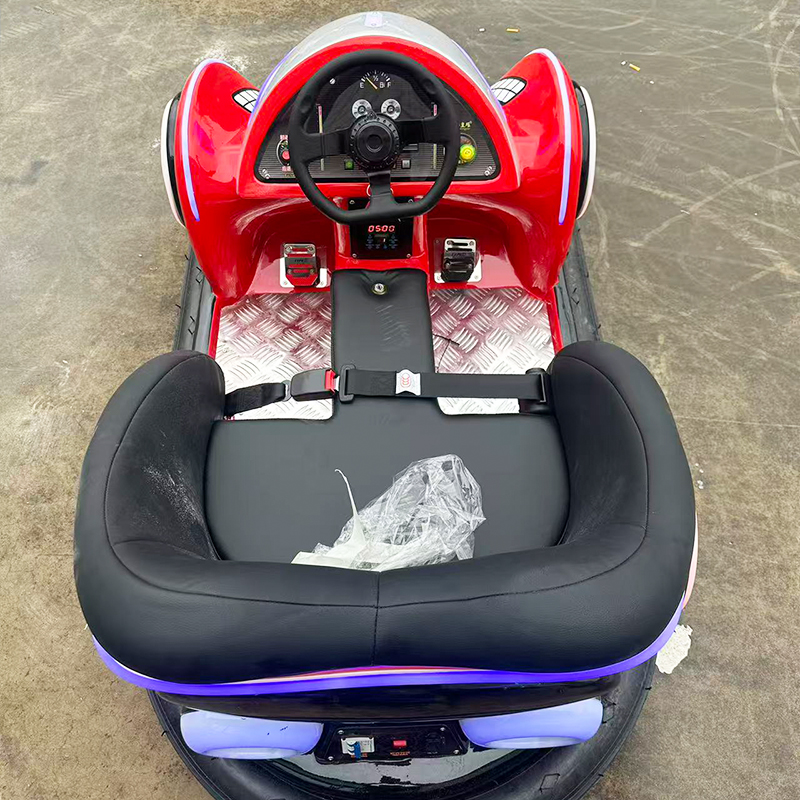
The performance of a mini bumper car depends significantly on material selection. Lightweight materials are transforming how these attractions operate, enabling manufacturers to build small bumper cars that accelerate faster, handle more responsively, and consume less battery power. Modern amusement parks and entertainment venues increasingly demand compact bumper car solutions that deliver superior performance without compromising safety or durability. The shift toward advanced lightweight composites and alloys represents a fundamental evolution in kids bumper car engineering.
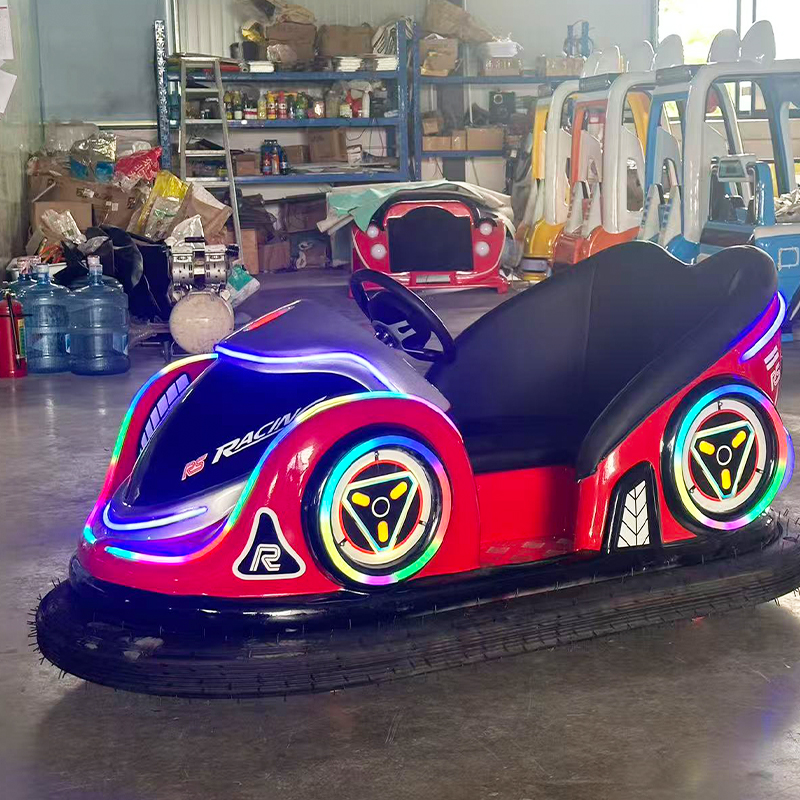
Understanding material science in bumper car construction helps operators make informed decisions about fleet upgrades and new purchases. Lightweight materials directly influence acceleration rates, turning radius, and battery efficiency in compact bumper car designs. When vehicle mass decreases, the same motor output produces greater velocity and more nimble directional changes. This performance advantage translates into enhanced rider experience and operational cost savings through reduced energy consumption.
Material Selection and Weight Reduction Benefits
Impact of Composite Fiberglass Construction
Fiberglass-reinforced composite bodies have become the industry standard for small bumper car manufacturing. These materials reduce overall vehicle weight by 30-40% compared to traditional steel frames, while maintaining structural integrity during collision impacts. A lighter small bumper car requires less motor torque to achieve identical speed performance, enabling designers to use smaller, more efficient battery systems. This weight reduction also improves handling characteristics, allowing kids bumper car operators to execute sharper turns and respond more quickly to directional changes on the attraction floor.
Aluminum Alloy Frame Advantages
Aluminum alloys offer another proven lightweight solution for compact bumper car construction. Modern aerospace-grade aluminum provides excellent strength-to-weight ratios, reducing structural mass without sacrificing collision durability. When manufacturers integrate aluminum frames with fiberglass body panels, the resulting mini bumper car achieves superior performance metrics. The reduced rotational inertia in lightweight frames enables faster acceleration and deceleration, critical factors for safe and engaging small bumper car operation.
Performance Improvements Through Weight Optimization
Acceleration and Speed Enhancement
Lightweight materials directly improve acceleration characteristics in kids bumper car designs. A compact bumper car weighing 15-20% less than conventional models accelerates 25-35% faster with identical motor specifications. This performance increase stems from Newton's second law: reduced mass requires less force to produce equivalent acceleration. Operators benefit from more dynamic gameplay experiences, as riders experience quicker response to steering inputs and more immediate speed changes. The performance advantage of a lightweight mini bumper car extends battery life by reducing power draw during acceleration phases.
Energy Efficiency and Battery Life
Battery efficiency improves significantly when small bumper car mass decreases. Lighter vehicles require less electrical energy to maintain speed, climb slight inclines, and overcome rolling resistance. A small bumper car constructed from lightweight composites consumes 20-30% less battery power during typical operation compared to heavier models. This efficiency advantage extends runtime between charges, reducing operational downtime and increasing revenue potential for attraction operators. Kids bumper car fleets benefit from lower maintenance costs when vehicles operate at reduced electrical loads.
Durability and Long-Term Performance Considerations
Impact Resistance in Modern Materials
Advanced lightweight materials maintain excellent impact resistance despite reduced mass. Composite fiberglass and reinforced polymers in modern mini bumper car construction absorb and distribute collision forces effectively. These materials resist cracking, splintering, and permanent deformation that compromised older lightweight designs. Quality manufacturing ensures that small bumper car bodies withstand repeated impacts from normal operation without structural degradation. The compact bumper car design benefits from material innovations that separate weight reduction from safety compromises.
Maintenance and Replacement Economics
Lightweight materials reduce overall maintenance requirements for kids bumper car operations. Composite body panels resist rust and corrosion inherent in metal construction, extending service life significantly. When damage occurs, lightweight material components often cost less to replace than equivalent steel or heavy aluminum parts. A mini bumper car operator experiences lower total cost of ownership through reduced maintenance hours and parts expenses. The durable nature of modern composites means small bumper car fleets maintain consistent performance levels throughout their operational lifespans without expensive overhauls.
FAQ
What weight reduction percentage is typical in modern lightweight mini bumper cars?
Modern mini bumper car designs achieve 30-40% weight reduction compared to traditional steel-bodied vehicles through fiberglass and aluminum composite construction. This substantial mass decrease directly translates to measurable performance improvements in acceleration, turning response, and battery efficiency for small bumper car operations.
How do lightweight materials affect compact bumper car safety ratings?
Lightweight materials do not compromise safety in kids bumper car designs when engineered properly. Advanced composites and aluminum alloys distribute impact forces effectively while maintaining structural rigidity. Extensive testing ensures that small bumper car constructions meet or exceed safety standards regardless of material weight reductions.
What is the battery life improvement in a lightweight mini bumper car?
Operators typically experience 20-30% longer battery runtime in a mini bumper car built from lightweight materials compared to heavier conventional designs. This efficiency improvement reduces charging frequency and operational downtime for small bumper car attractions, directly enhancing revenue potential and reducing energy costs.