
 EN


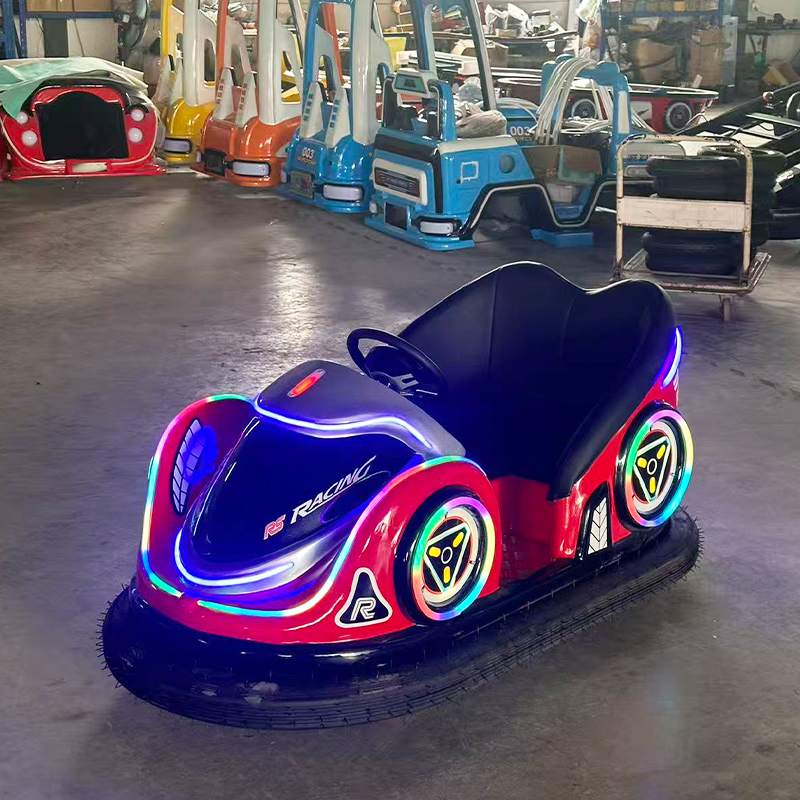
Understanding battery capacity limits is essential for anyone operating or purchasing a mini bumper car for entertainment venues or personal use. Battery capacity directly determines how long a small bumper car can operate, the power available for acceleration, and the overall guest experience during rides. Knowing these limitations helps operators plan schedules, maintain equipment properly, and ensure safety standards across their fleet.
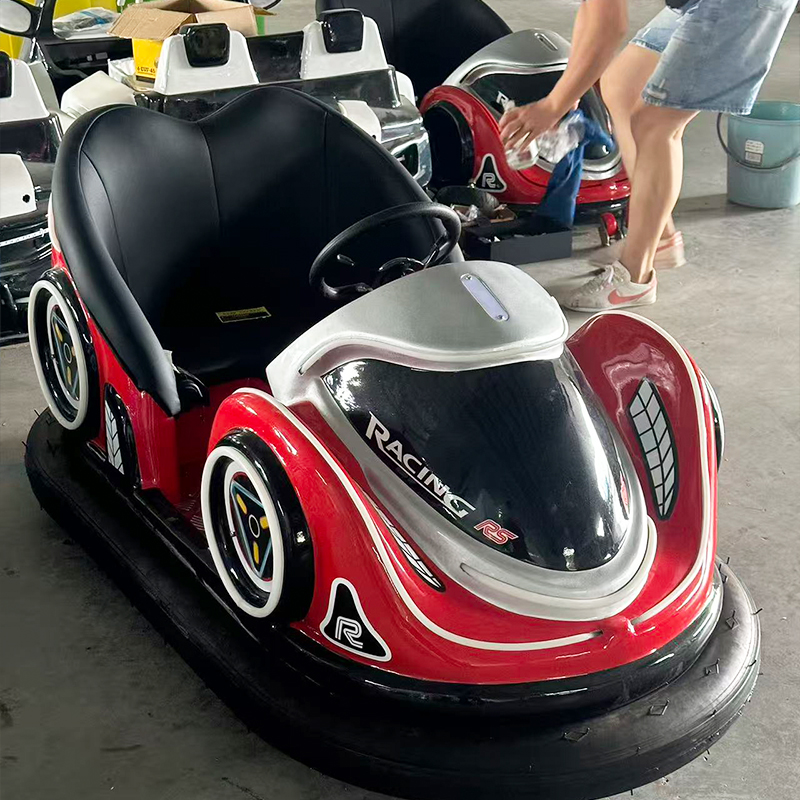
A compact bumper car's battery system is engineered to balance weight, performance, and safety. Unlike full-sized bumpers, a kids bumper car must maintain structural integrity while housing smaller energy storage solutions. Battery capacity in these vehicles is measured in amp-hours (Ah) or watt-hours (Wh), with typical small bumper car models ranging from 24V to 48V systems. Understanding these specifications helps venue operators make informed decisions about charging infrastructure, operational downtime, and maintenance schedules.
Battery Capacity and Operating Duration
Runtime Expectations for Small Bumper Cars
The runtime of a compact bumper car depends on battery capacity, vehicle weight, and operating intensity. A kids bumper car with a standard 24V, 100Ah battery system typically provides 4 to 8 hours of continuous operation under normal conditions. However, aggressive driving patterns, higher speeds, and increased acceleration demands drain the battery faster. Most venues operate these vehicles in rotational schedules, charging units during off-peak hours to maximize uptime while maintaining battery health.
Factors Affecting Battery Discharge Rates
Multiple variables influence how quickly a small bumper car battery depletes during operation. Vehicle weight, driver behavior, track terrain, and ambient temperature all impact power consumption. A mini bumper car operating on an uneven or hilly surface requires more energy than one on a flat track. Cold weather conditions also reduce effective battery capacity by as much as 20 to 30 percent, while hot conditions may accelerate chemical reactions within the cells, affecting longevity and performance consistency.
Charging Time and Infrastructure Requirements
Charge Duration for Compact Bumper Cars
Charging time for a small bumper car varies based on charger output and battery capacity. Standard chargers for a kids bumper car typically require 6 to 12 hours for a full charge, while fast-charging systems can reduce this to 3 to 4 hours. Most venue operators establish overnight charging routines to prepare vehicles for the next operating day. Understanding charge cycles helps prevent overcharging damage and extends overall battery lifespan, which typically ranges from 3 to 5 years with proper maintenance protocols.
Charging Infrastructure Planning
Operating multiple compact bumper cars requires adequate electrical infrastructure and charging stations. A mini bumper car fleet needs dedicated charging areas with proper weatherproofing, circuit protection, and organized charging schedules. Venues managing 10 or more units should invest in tiered charging systems that prioritize vehicle rotation. Many operators implement dedicated charging zones with fire suppression equipment and ventilation systems to handle the thermal output from multiple simultaneous charging operations safely.
Safety Considerations and Battery Limitations
Maximum Performance Thresholds
Battery capacity directly impacts the maximum speed and acceleration capabilities of a small bumper car. Most kids bumper car models feature governors that prevent over-discharge conditions, automatically reducing power output when battery levels drop below critical thresholds. A compact bumper car should never operate with battery charge below 20 percent, as this risks damage to battery cells and reduces responsive acceleration during emergency situations. Venues must enforce strict charging policies to maintain consistent performance and ensure operator safety during rides.
Thermal Management and Heat Dissipation
Extended operation of a mini bumper car generates heat within the battery system, requiring adequate ventilation and cooling strategies. Lithium and lead-acid batteries used in small bumper car applications have temperature operating ranges, typically between 0 and 45 degrees Celsius. Exceeding these limits reduces battery efficiency and accelerates degradation. Modern compact bumper car designs incorporate thermal sensors that trigger automatic shutdown if internal temperatures exceed safe operating ranges, protecting both the battery investment and rider safety.
Maintenance and Battery Health Management
Regular Inspection and Testing Protocols
Maintaining optimal battery performance in a kids bumper car requires systematic inspection and load testing. Venue operators should test battery voltage and capacity monthly using digital multimeters and dedicated battery testers. A mini bumper car experiencing reduced runtime or sluggish acceleration signals declining battery health. Early detection through routine testing allows operators to plan replacement before complete failure occurs, preventing operational disruptions during peak operating seasons.
Extending Battery Service Life
Proper charging practices significantly extend the lifespan of batteries in a small bumper car. Avoiding complete discharge cycles, maintaining consistent charging routines, and storing vehicles in climate-controlled environments all contribute to battery longevity. Compact bumper car operators should avoid exposing vehicles to extreme temperatures and moisture when not in use. Using trickle chargers during extended storage periods maintains charge levels without overcharging, preserving battery chemistry and preventing sulfation in lead-acid systems or degradation in lithium alternatives.
FAQ
How long does a mini bumper car battery typically last between charges?
A small bumper car battery typically provides 4 to 8 hours of continuous operation before requiring a full recharge. The exact duration depends on battery capacity, vehicle weight, operating intensity, and environmental conditions. Most venues rotate vehicles through charging stations throughout the day to maintain operational schedules without interruption.
What happens when a compact bumper car battery capacity reaches its limit?
When a kids bumper car battery reaches its capacity limit, automatic governors reduce power output to protect the battery from over-discharge damage. The vehicle continues operating at reduced speed and acceleration performance until charged. Operators should never allow a mini bumper car to operate below 20 percent charge, as this risks permanent battery damage and compromises safety performance during emergency braking situations.
How can venue operators optimize battery performance for their small bumper car fleet?
Optimize battery performance by establishing regular maintenance schedules, implementing systematic charge-discharge routines, and monitoring temperature conditions. A compact bumper car fleet benefits from organized charging infrastructure, monthly load testing, and climate-controlled storage. Training staff on proper handling procedures and avoiding complete discharge cycles extends battery lifespan significantly, reducing replacement costs and operational downtime across your kids bumper car collection.