
 EN


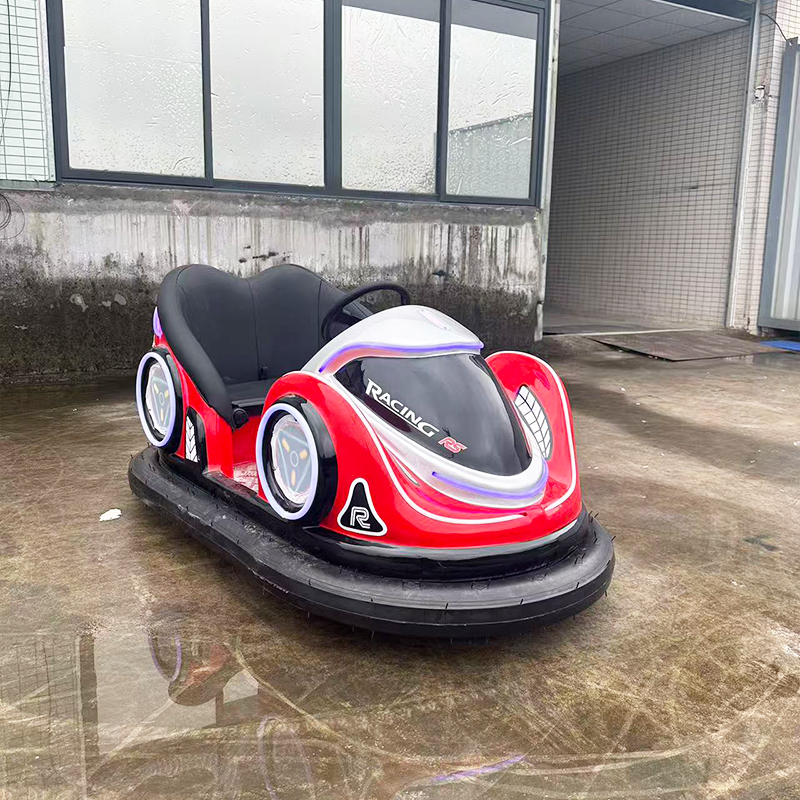
Selecting the right design for a mini bumper car involves understanding the fundamental differences between two dominant construction approaches: hard shell and inflatable ring systems. Both designs serve the amusement park and entertainment venue market, but they deliver distinct operational advantages, safety profiles, and user experiences. A small bumper car operator must weigh durability, maintenance requirements, user comfort, and long-term cost implications before committing to either structure.
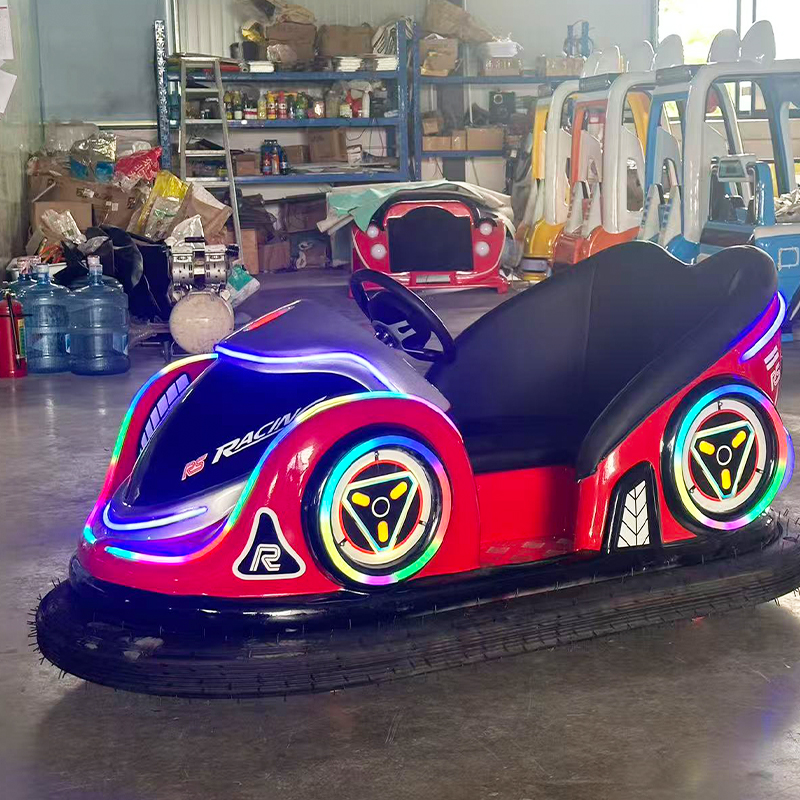
The choice between hard shell and inflatable ring configurations fundamentally affects how a compact bumper car performs in everyday operation. Hard shell designs use rigid fiberglass or reinforced plastic bodies that maintain consistent shape, while inflatable ring systems rely on air-filled perimeter tubes to absorb impact. Each approach carries trade-offs in structural integrity, repair logistics, initial investment, and suitability for different venue types and user demographics.
Hard Shell Mini Bumper Car Design: Durability and Performance
Construction and Structural Integrity
A hard shell mini bumper car uses a solid fiberglass or reinforced composite body that forms the entire external structure. This rigid construction means the vehicle maintains its shape under all operating conditions, providing consistent handling and predictable collision dynamics. The hard shell design has been the industry standard for decades because it offers superior structural integrity when subjected to repeated impacts from other bumper cars and arena walls.
Hard shell construction also enables manufacturers to integrate safety features directly into the body design. Integrated bumpers, reinforced edges, and strategically placed crumple zones can be molded into the fiberglass shell during production. This factory-integrated approach means a kids bumper car with hard shell construction benefits from engineered safety features that cannot be retrofitted onto inflatable designs after manufacturing.
Maintenance and Long-Term Operational Costs
Maintaining a hard shell mini bumper car typically involves periodic surface inspections, touch-up paint work, and occasional fiberglass repairs. The structural materials resist punctures, tears, and environmental degradation that plague inflatable systems. Over a five-year operational period, hard shell vehicles typically require fewer emergency repairs and emergency downtime incidents than their inflatable counterparts.
When damage does occur to a hard shell compact bumper car, repairs can range from simple cosmetic fixes to fiberglass patching for larger cracks. Most damage can be addressed without removing the vehicle from service for extended periods. This repair efficiency translates into higher availability rates and lower replacement parts inventory requirements compared to inflatable designs that may need complete tube replacement after significant punctures.
Inflatable Ring Mini Bumper Car Design: Comfort and Impact Absorption
Structural Design and Shock Absorption
Inflatable ring bumper cars feature air-filled tubes positioned around the perimeter of the vehicle to absorb and dissipate collision energy. This design prioritizes passenger comfort by reducing the force transmitted to riders during impacts. An inflatable mini bumper car essentially creates a cushioned exterior that softens the experience of bumping into arena walls or other vehicles, making the ride feel less jarring to children and younger riders.
The pneumatic nature of inflatable ring systems means the small bumper car responds dynamically to impact forces. The air chambers compress and rebound, creating a more forgiving collision experience. This impact absorption quality appeals to venues serving very young children or operators prioritizing rider comfort over traditional bumper car collision intensity.
Maintenance Challenges and Repair Considerations
Maintaining an inflatable ring compact bumper car presents ongoing challenges related to air pressure monitoring, tube integrity assessment, and puncture repair procedures. Operators must regularly check inflation levels, inspect seams and valve connections, and watch for slow leaks that develop over time. A single puncture in an inflatable kids bumper car can require tube replacement, which removes the vehicle from service for several hours to a full day depending on spare parts availability.
Environmental factors complicate inflatable maintenance further. Temperature fluctuations cause air pressure changes, UV exposure degrades material over time, and continuous friction during operation accelerates wear on seams and connection points. An inflatable mini bumper car operating in an outdoor venue faces accelerated degradation compared to hard shell alternatives designed for sun and weather exposure.
Selecting the Right Design for Your Venue
Matching Design to Operational Context and User Demographics
The optimal choice between hard shell and inflatable ring mini bumper car designs depends on your specific venue requirements, target user age groups, and operational priorities. A compact bumper car venue serving primarily children under ten years old may benefit from the comfort profile and forgiving collision dynamics of inflatable ring construction. Venues emphasizing traditional bumper car excitement and operating vehicles for extended daily cycles typically favor hard shell designs for their durability and reduced maintenance overhead.
Outdoor venues present a clear advantage for hard shell mini bumper cars because weather exposure, UV radiation, and temperature cycling degrade inflatable materials significantly faster than hard shell fiberglass. An indoor small bumper car arena with climate control and limited environmental stress might successfully operate inflatable designs with proper maintenance discipline. Venue managers must honestly assess their operational capacity for inflatable maintenance, spare parts inventory, and downtime tolerance before selecting this design.
Total Cost of Ownership Analysis
While hard shell mini bumper cars often carry higher initial purchase prices, their total cost of ownership typically proves lower over ten-year operational lifespans. Hard shell compact bumper cars require fewer emergency repairs, lower spare parts consumption, and shorter average downtime per incident. Inflatable kids bumper cars may offer lower purchase prices but generate higher long-term maintenance costs, more frequent service calls, and greater spare parts inventory requirements to maintain operational continuity.
A thorough financial analysis should include purchase cost, projected annual maintenance expense, expected spare parts inventory investment, operator training requirements, and estimated downtime frequency. Most professional amusement park operators find that hard shell designs justify premium pricing through reduced operational disruption and lower cumulative maintenance costs. Budget-conscious venues with adequate maintenance staffing and spare parts resources might justify inflatable selections for specific market segments or seasonal operations.
FAQ
What are the safety differences between hard shell and inflatable ring mini bumper cars?
Hard shell mini bumper car designs allow manufacturers to integrate engineered safety features like reinforced bumpers and crumple zones during production. Inflatable ring compact bumper cars rely on pneumatic absorption to reduce impact force, providing different safety dynamics better suited to younger riders. Both designs meet safety standards, but they approach impact protection through opposite mechanisms. Hard shell vehicles prevent deformation during collision, while inflatable kids bumper cars absorb and distribute impact energy through air compression. Your choice should align with your venue's safety philosophy and target user age demographics.
How often does an inflatable ring small bumper car require maintenance compared to hard shell models?
Inflatable ring compact bumper cars typically require inspection of air pressure, seam integrity, and valve conditions at least weekly, with monthly detailed assessments for small tears or material degradation. Hard shell mini bumper cars need periodic surface inspection and occasional touch-up maintenance, generally on a quarterly or semi-annual basis. The maintenance frequency difference becomes dramatic during high-usage seasons when inflatable systems experience accelerated wear from continuous compression and decompression cycles. Most operators report that hard shell designs require roughly 40 percent less scheduled maintenance labor than comparable inflatable kids bumper car units.
Can an existing inflatable mini bumper car fleet transition to hard shell vehicles?
Yes, venues can transition from inflatable ring systems to hard shell mini bumper car designs, though this requires purchasing new vehicles and potentially upgrading arena infrastructure. Hard shell compact bumper cars often feature different collision characteristics and may require adjusted arena layout, floor protection, or perimeter padding compared to inflatable installations. The transition allows operators to significantly reduce maintenance overhead and improve long-term operational efficiency. A kids bumper car arena designed for inflatable systems can accommodate hard shell vehicles, but operators should budget for some facility modifications and staff retraining on the different maintenance and operational protocols.