
 EN


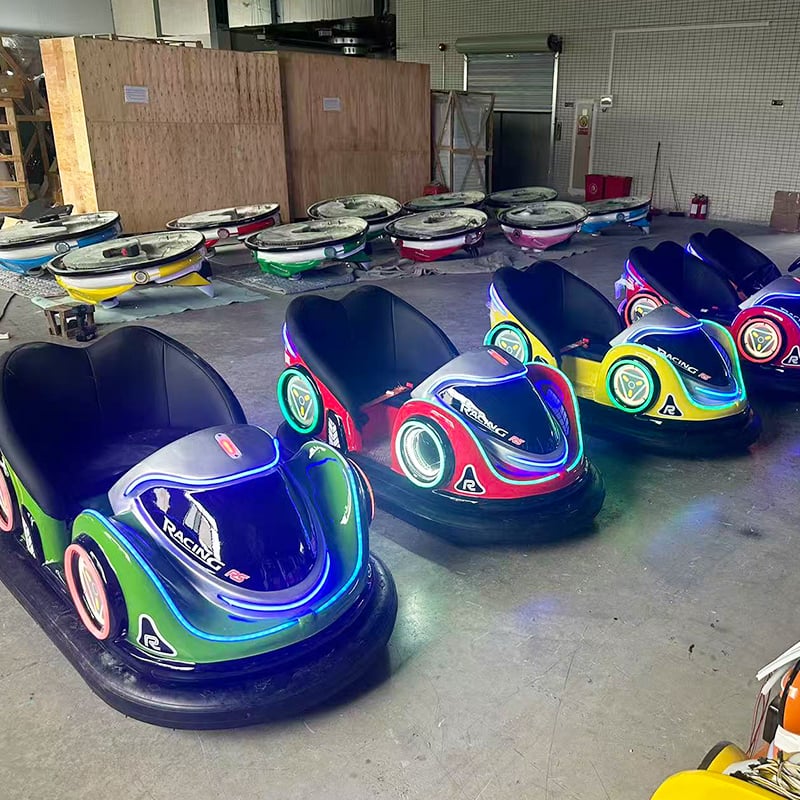
Waterproof seals are essential components that determine the longevity and reliability of outdoor bumper cars in amusement parks, recreational facilities, and entertainment venues. These specialized seals work by creating a protective barrier against moisture, rain, and environmental contaminants that would otherwise compromise electrical systems, mechanical components, and structural integrity. Understanding how these seals function helps operators maintain equipment safety and extend asset lifespan significantly.
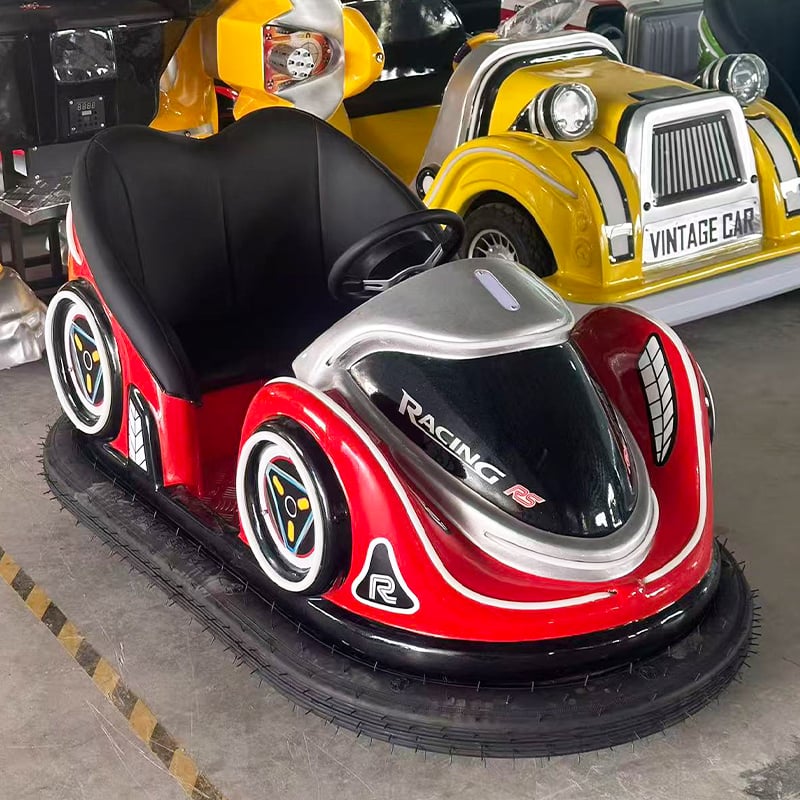
When operating an outdoor bumper car rink, exposure to water ingress poses serious risks to performance and safety. Waterproof seals act as the first line of defense, preventing water from penetrating critical areas where electrical circuits, battery connections, and motor housings are located. A weatherproof bumper car equipped with quality seals can withstand heavy rain, cleaning procedures, and seasonal weather variations without experiencing electrical failures or corrosion damage.
How Waterproof Seals Protect Electrical Systems
Moisture Prevention in Battery Bumper Car Design
Battery bumper car systems rely on sealed enclosures to isolate electrical components from environmental moisture. Waterproof seals around battery compartments, connector ports, and control modules prevent water infiltration that could cause short circuits or complete system failure. These seals use elastomer materials like silicone or neoprene, which maintain flexibility across temperature ranges while providing consistent barrier protection. Properly installed seals create a tight seal interface that prevents water vapor and liquid water from reaching sensitive electronics.
The battery bumper car industry has adopted multiple seal layers at critical junction points. Primary seals surround battery terminals and charging ports, while secondary seals protect controller boards and wiring harnesses. This layered approach ensures that even if one seal becomes compromised, protective redundancy prevents immediate failure. Operators should regularly inspect seals for cracks, hardening, or gaps that might indicate degradation.
Protecting Motor and Drive Mechanisms
Electric motors in outdoor bumper cars face continuous moisture exposure during operation and maintenance. Waterproof seals around motor housings, bearing assemblies, and shaft penetrations prevent water from entering lubrication systems and damaging internal windings. When water reaches motor components, it accelerates corrosion of metal parts and reduces insulation effectiveness. Quality seals maintain motor performance by keeping internal environments dry and clean.
A weatherproof bumper car incorporates sealed bearings and shaft seals that allow normal rotational movement while blocking water entry. These specialized seals must balance protection with operational efficiency, as overly tight seals create friction and reduce responsiveness. Manufacturers engineering outdoor bumper car models specify seal materials and geometries to achieve optimal performance under continuous use.
Structural Integrity and Long-Term Durability
Preventing Rust and Material Degradation
Metal components in outdoor bumper cars experience accelerated corrosion when exposed to moisture and salt air, particularly in coastal environments. Waterproof seals protect steel frames, aluminum panels, and fasteners by preventing water from settling on surfaces or penetrating joints. When seals fail on an outdoor bumper car rink ride, rust develops rapidly on exposed metal, weakening structural connections and compromising safety. Consistent seal maintenance directly correlates with operational lifespan and replacement costs.
Fiberglass bumper car bodies benefit from waterproof seals around panel joints, access doors, and attachment points. While fiberglass itself resists water absorption, seals prevent water from entering hollow sections and accumulating inside body cavities. This accumulated moisture can cause interior degradation, weight imbalance, and eventual structural failure. Operators extending the life of their outdoor bumper cars prioritize seal inspection and replacement as preventive maintenance.
Impact on Maintenance Frequency and Costs
Facilities with effective waterproof seal systems experience lower maintenance demands and reduced downtime compared to those with compromised seals. When a battery bumper car maintains proper seals, operators avoid emergency repairs caused by electrical failures, corrosion damage, or mechanical breakdowns. Preventive seal replacement costs far less than replacing damaged motors, controllers, or structural components. Budget-conscious operators recognize waterproof seals as cost-effective insurance against major equipment failures.
Seasonal weather changes affect seal performance and aging speed. Heavy rain seasons, freeze-thaw cycles, and UV exposure all contribute to seal degradation over time. A well-maintained outdoor bumper car rink schedule includes quarterly seal inspections and replacement of deteriorating seals before they fail. This proactive approach minimizes unexpected closures and maintains guest satisfaction.
Material Selection and Performance Standards
Elastomer Choices for Harsh Outdoor Environments
Manufacturers select specific elastomer materials for waterproof seals based on environmental exposure and performance requirements. Silicone seals offer excellent temperature range flexibility and UV resistance, making them ideal for outdoor bumper cars exposed to variable conditions. Neoprene and EPDM alternatives provide different advantages depending on chemical exposure and mechanical stress profiles. Weatherproof bumper car designs specify materials matching their operational environment.
Elastomer durability depends on material formulation, thickness, and installation quality. Premium seals maintain elasticity and barrier properties through years of cycling and environmental stress. Lower-cost alternatives may harden quickly or lose compression force, allowing water intrusion. Operators choosing replacement seals for their outdoor bumper cars benefit from matching original material specifications rather than substituting cheaper alternatives.
Installation Quality and Verification
Even the highest quality waterproof seals fail if installed improperly. Seals must be compressed to specific depths and seated evenly along their contact surfaces to function effectively. A battery bumper car manufacturer provides installation procedures and torque specifications ensuring correct seal engagement. Technicians must verify seal placement visually and test compression force to confirm proper installation before returning equipment to service.
Quality assurance testing validates seal effectiveness after installation. Water spray tests, submersion tests, and pressure cycle testing confirm that seals prevent moisture intrusion under expected operational conditions. Outdoor bumper car rink operators can request documentation of seal testing before accepting new equipment or major repairs. This verification step prevents failures during the operational season.
FAQ
What happens if waterproof seals fail on outdoor bumper cars?
Failed waterproof seals allow water to enter electrical compartments, causing short circuits, corrosion, and component failure. An outdoor bumper car with compromised seals may experience sudden motor shutdowns, battery malfunction, or control system errors. Operators should immediately inspect equipment and replace failed seals rather than continuing operation, which risks rider safety and causes additional damage.
How often should waterproof seals be replaced on a battery bumper car?
Replacement frequency depends on environmental conditions, climate, and operational intensity. Most outdoor bumper cars require seal replacement annually or every 1000 operating hours in heavy-use settings. Coastal environments with salt air exposure may require more frequent replacement due to accelerated degradation. Operators should inspect seals quarterly and replace them when visible hardening, cracking, or compression loss occurs.
Can weatherproof bumper car seals be inspected without disassembly?
Visual inspection of accessible seals is possible and recommended as part of regular maintenance. Water staining, discoloration, or gaps around seals indicate potential problems requiring investigation. However, thorough inspection of seals protecting internal components may require partial disassembly. Operators should establish preventive maintenance schedules that include professional inspection of all critical seals before the busy operational season begins.