
 EN


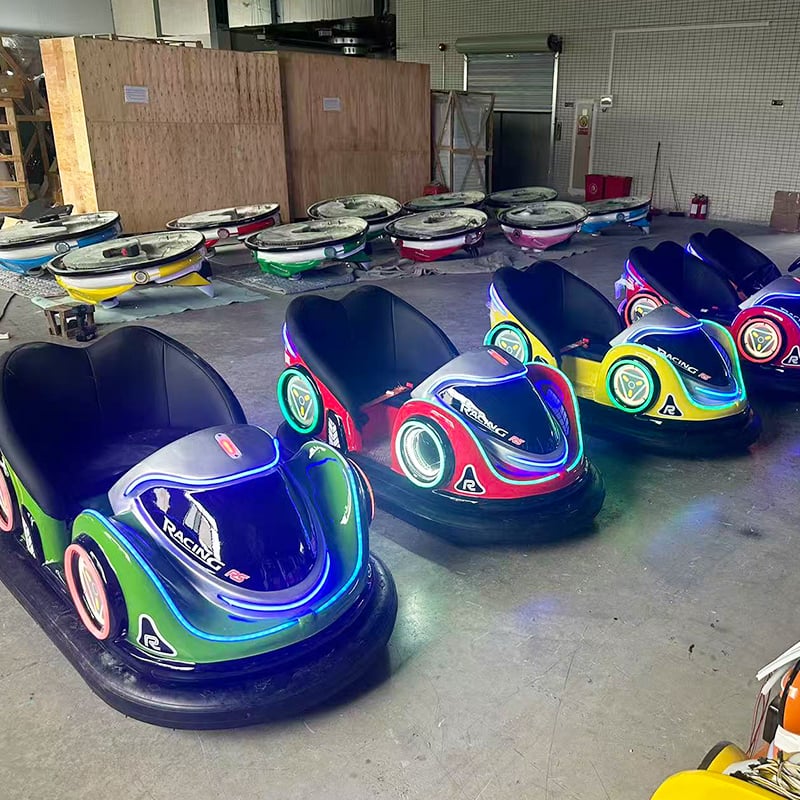
Operating an outdoor bumper car facility requires careful planning for seasonal weather changes and unexpected storm conditions. Effective shutdown procedures protect equipment investment, ensure guest safety, and maintain operational readiness for the next season. Weather-related downtime represents significant revenue loss, making it essential to develop optimization strategies that minimize disruption while preserving asset integrity.
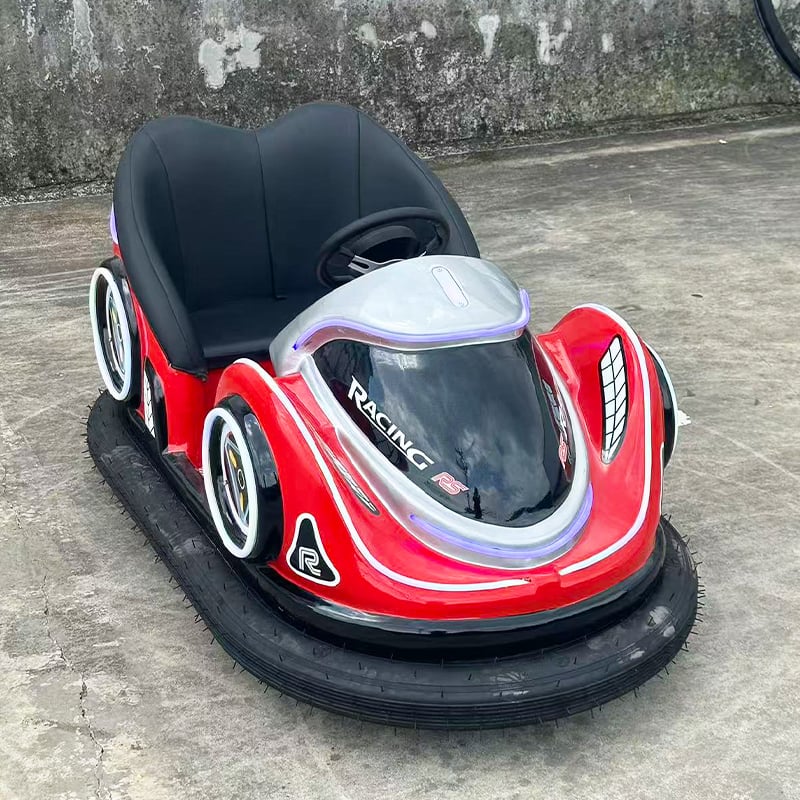
An outdoor bumper car ride operates within specific environmental tolerances. High winds, heavy rainfall, extreme heat, and freezing temperatures all pose operational challenges. Developing comprehensive shutdown procedures ensures your equipment survives harsh weather cycles and performs reliably when conditions improve. Proper weatherproof bumper car protocols reduce maintenance costs, extend equipment lifespan, and protect your competitive market position.
Understanding Weather Risk Factors for Outdoor Operations
Environmental Threats to Equipment Performance
Outdoor bumper car rides face multiple weather-related risks that demand proactive management. Wind speed exceeding operational limits can destabilize vehicles and create guest safety hazards. Rain and moisture infiltrate electrical components, corroding connections and degrading performance. Direct sunlight accelerates material degradation, while temperature extremes affect battery chemistry and mechanical systems. Each weather variable requires specific response protocols to minimize damage.
The battery bumper car system represents your largest operational investment. Lithium and lead-acid battery technology performs within defined temperature and moisture parameters. Exposing batteries to extreme cold reduces charge capacity and extends charging times. Heat accelerates chemical degradation within battery cells. Moisture ingress creates short circuits and permanent cell damage. Understanding these vulnerabilities shapes effective shutdown strategy for weatherproof bumper car operations.
Seasonal Transition Planning
Seasonal transitions demand systematic preparation across all equipment categories. Spring startup after winter exposure requires comprehensive safety inspections before guest operation resumes. Summer heat cycles require shade protection and cooling measures. Fall preparation must address waterproofing and structural reinforcement before winter arrives. Year-round planning prevents emergency shutdowns and maintains consistent operational quality.
Implementing Comprehensive Shutdown Protocols
Pre-Shutdown Equipment Assessment
Effective shutdown begins with thorough equipment evaluation before adverse weather arrives. Inspect all fiberglass bumper car bodies for cracks, delamination, and surface damage that weather exposure will worsen. Test battery bumper car electrical systems to verify charging functionality and identify corroded connections. Check steering mechanisms, bumpers, and suspension components for wear that moisture will accelerate. Document all findings with photos to track condition changes across seasonal cycles.
Battery management forms the critical core of shutdown preparation for any outdoor bumper car ride. Discharge batteries to fifty percent charge before extended shutdown periods. This reduces internal chemical stress during temperature fluctuations and extends overall battery lifespan. Weatherproof bumper car batteries require storage in climate-controlled conditions when possible. If climate control is unavailable, use waterproof battery covers and insulated storage boxes that moderate temperature swings.
Physical Protection and Storage Arrangements
Covering outdoor bumper car fleets prevents direct weather damage during shutdown periods. Heavy-duty polyester tarps protect from rain and UV exposure. Ensure covers allow air circulation underneath to prevent moisture accumulation and mold growth. Secure covers firmly to prevent wind from damaging them or exposing equipment underneath. For extended shutdowns, consider temporary shelter structures that provide full environmental protection.
Vehicle storage location significantly impacts shutdown success. Position outdoor bumper car units on elevated, well-drained ground that prevents water accumulation. Avoid storage near trees where falling branches can cause physical damage. Position vehicles under natural shade when structures are unavailable. For battery bumper car systems, ensure storage areas remain accessible for periodic maintenance checks and emergency repairs.
Maintenance and Recovery Optimization Strategies
Monitoring and Preventive Care During Shutdown
Shutdown periods provide ideal opportunities for preventive maintenance that keeps your outdoor bumper car fleet operational year-round. Establish monthly inspection schedules even during closure periods. Check cover integrity and repair tears immediately to prevent weather penetration. Verify that weatherproof bumper car seals remain intact around battery compartments and electrical enclosures. Test battery bumper car systems monthly to ensure charging circuits remain functional.
Lubrication maintenance prevents corrosion and maintains mechanical reliability across shutdown cycles. Apply marine-grade lubricants to steering mechanisms, wheel bearings, and bump mechanisms before extended storage. These products resist moisture better than standard lubricants and provide lasting protection. For outdoor bumper car rides, this preventive investment dramatically reduces spring startup failures.
Startup Procedures and System Verification
When weather conditions improve and operation resumes, follow systematic startup procedures to ensure guest safety. Remove all covers and inspect for weather damage, pest nesting, or material deterioration. Test each battery bumper car vehicle individually before allowing guest operation. Verify steering response, acceleration consistency, and braking functionality. Check bumper integrity and ensure no structural damage developed during shutdown.
Battery management continues through startup phases for optimal outdoor bumper car ride performance. Recharge all battery bumper car units fully before operation begins. Monitor charge times to identify batteries requiring replacement due to degradation. Test voltage output across multiple discharge cycles to verify system health. Weatherproof bumper car electrical systems require thorough insulation checks before water exposure resumes.
FAQ
How frequently should shutdown procedures occur during the operating season?
Shutdown procedures activate based on weather forecasts rather than fixed schedules. When wind speeds exceed manufacturer specifications, precipitation appears imminent, or temperature extremes threaten equipment, immediate shutdown begins. For outdoor bumper car rides, shutdown typically occurs during severe thunderstorms, winter freeze events, and extreme heat days. Regular pre-season planning identifies local weather patterns that trigger shutdown protocols specific to your climate region.
What specific battery bumper car maintenance prevents weather-related failures?
Battery bumper car systems require charging circuit maintenance, terminal corrosion removal, and moisture barrier inspection. Clean corrosion from battery terminals using baking soda and water before shutdown periods. Apply protective grease to terminals to resist moisture infiltration. For weatherproof bumper car operations, store batteries in waterproof containers with silica gel desiccant packets that absorb accumulated humidity. Replace desiccant packets every thirty days during extended shutdown periods.
Can outdoor bumper car fleets operate safely immediately after severe weather passes?
No, comprehensive inspection precedes operation resumption following severe weather events affecting outdoor bumper car rides. Water may enter electrical compartments despite weatherproof bumper car design specifications. Battery bumper car systems need voltage verification to confirm proper charging. Mechanical components require functional testing under no-load conditions before guest interaction. Allow minimum two-hour inspection periods after any weather event that triggered shutdown procedures before resuming outdoor bumper car ride operation.