
 EN


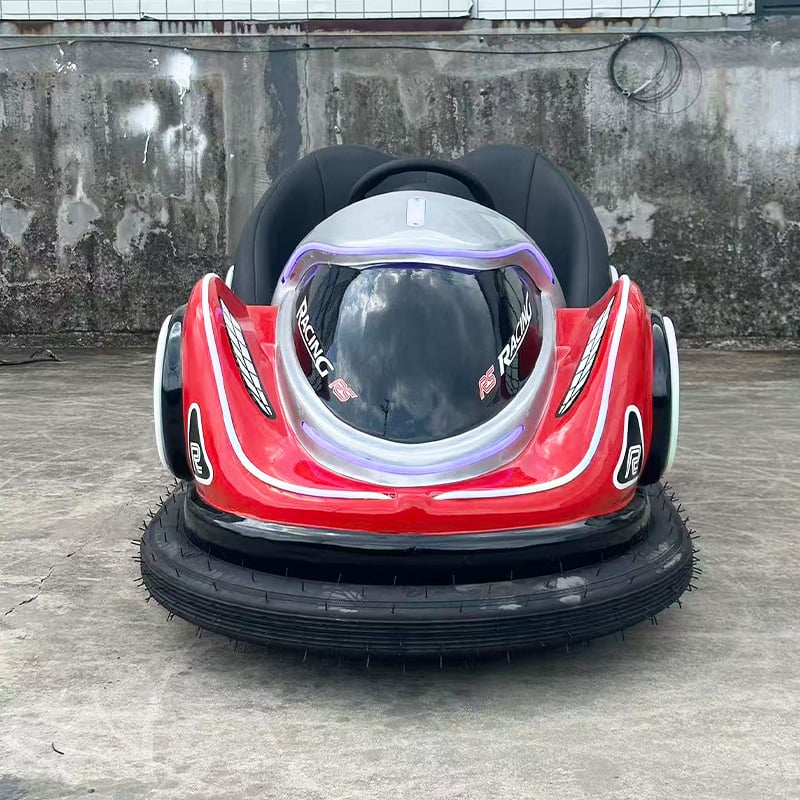
Proper storage and seasonal care are critical to maximizing the lifespan and performance of outdoor bumper cars. Whether you operate a small amusement venue or manage a large outdoor bumper car rink, understanding how to protect your investment during off-season months and variable weather conditions directly impacts your operational costs and guest safety. Many operators underestimate the role that thoughtful storage practices play in preserving equipment integrity, electrical systems, and structural components that face constant exposure to sun, rain, wind, and temperature fluctuations.
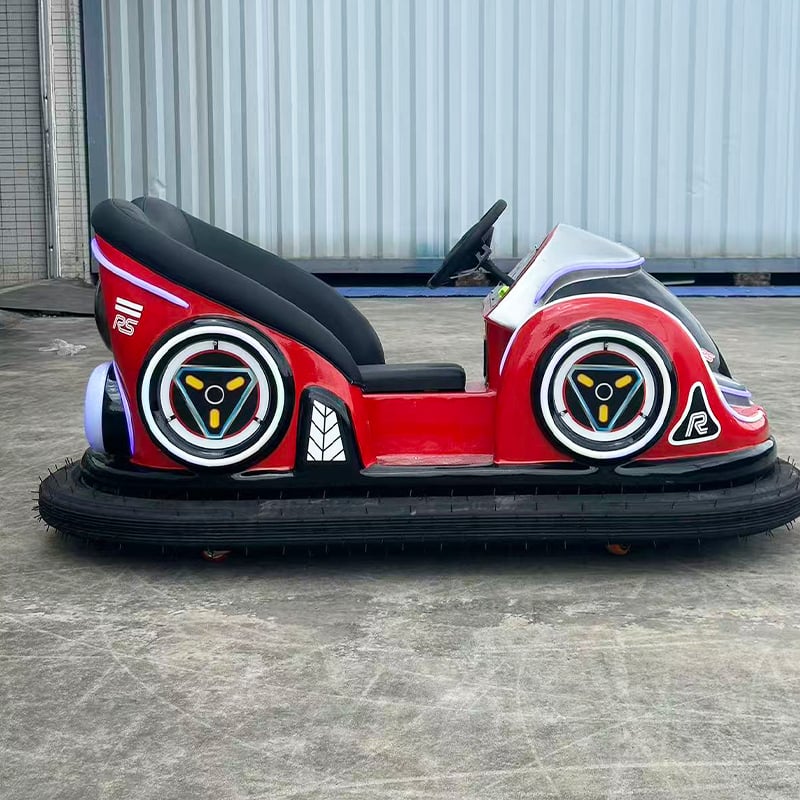
This guide covers proven optimization practices that help you maintain your battery bumper car fleet in peak condition year-round. From pre-storage inspection protocols to humidity control and weatherproof bumper car preparation techniques, you will learn actionable strategies that reduce maintenance emergencies, extend equipment life, and protect your bottom line. The practices outlined here apply to both commercial operations and smaller recreational facilities seeking to operate efficiently and sustainably.
Pre-Storage Inspection and Preparation
Comprehensive Equipment Assessment
Before entering the off-season or seasonal storage period, conduct a thorough inspection of all outdoor bumper cars in your fleet. Document the condition of each vehicle's fiberglass body, rubber bumpers, electrical connections, and chassis integrity. Check battery terminals for corrosion, inspect wiring for cracks or loose connections, and verify that all safety features function properly. This baseline assessment identifies issues early, prevents small problems from becoming expensive repairs, and ensures that your equipment emerges from storage in reliable working order.
Clean all vehicles thoroughly before storage to remove dirt, salt, algae, and environmental contaminants that can accelerate corrosion and material degradation. Pay special attention to undersides, wheel assemblies, and any crevices where moisture and debris accumulate. Use mild soap and water rather than high-pressure washers, which can force water into sealed electrical components and cause short circuits or component failure.
Battery and Electrical System Preparation
Battery bumper car maintenance during storage requires deliberate attention to electrical systems. Remove batteries from outdoor bumper cars if storage will exceed four weeks, or fully charge batteries and store them in a climate-controlled environment separate from the vehicles. Sulfation and capacity loss accelerate when batteries sit in cold, damp conditions without periodic charging. If batteries remain installed, disconnect negative terminals to prevent slow discharge and parasitic drain that weakens cells over time.
Inspect all wiring harnesses, connectors, and fuses for visible damage or corrosion. Apply dielectric grease to battery terminals and electrical connections to create a moisture barrier that prevents oxidation. This protective layer is inexpensive and significantly extends the reliable operation of your battery bumper car electrical systems when vehicles are brought back into service.
Storage Environment and Weatherproof Practices
Climate Control and Shelter Configuration
Selecting appropriate storage locations is fundamental to preserving outdoor bumper cars through seasonal downtime. Ideally, store your outdoor bumper car rink equipment indoors in a dry, temperature-stable facility that protects against rain, snow, ice, and direct sunlight. Indoor storage eliminates weatherproof bumper car exposure to UV rays that fade paint, degrade rubber, and weaken fiberglass coatings over time. If indoor storage is unavailable, construct or rent covered structures that provide complete protection from precipitation and shield vehicles from harsh direct sun.
Maintain consistent temperature and humidity levels in your storage space. Fluctuating temperatures cause materials to expand and contract, stressing joints, seals, and fasteners and creating entry points for moisture and corrosion. Target a humidity range of 30 to 50 percent to inhibit mold growth, wood rot, and metal oxidation. Use dehumidifiers or desiccant materials if your storage facility tends toward high humidity, particularly in coastal or tropical climates where salt spray and moisture penetration pose additional risks to outdoor bumper cars.
Vehicle Positioning and Support
Position each battery bumper car on level ground or on jack stands that distribute weight evenly across the chassis frame. Avoid storing vehicles on concrete for extended periods, as moisture migration from concrete can corrode undersides and accumulate beneath bumpers and wheels. Use wooden pallets or plastic pads to create air space beneath each vehicle, allowing air circulation that prevents moisture pooling and condensation. This practice is particularly important for outdoor bumper car rink operators storing multiple units in close proximity.
Release parking brakes and ensure tires are neither over-pressurized nor under-pressurized, which can cause flat-spotting and deformation during months of static storage. Rotate tires quarterly if storage spans four months or longer to promote even wear and maintain rubber integrity.
Maintenance Protocols and Long-Term Care
Periodic Monitoring and Preventive Action
Even during storage, outdoor bumper cars require periodic monitoring and intervention to prevent deterioration. Schedule monthly inspections to verify that climate controls function properly, check for signs of moisture intrusion or pest activity, and confirm that vehicle covers remain secure and undamaged. Early detection of leaks, mold growth, or rodent evidence allows you to address issues before they cause significant damage to fiberglass bodies, electrical systems, or interior components.
Apply protective coatings to weatherproof bumper car exteriors before long-term storage. Marine-grade wax and UV-protective sealants create barriers that reduce sun and moisture damage, extend the life of your outdoor bumper car fleet, and maintain aesthetic appeal. Reapply these coatings annually and after storage periods to ensure continuous protection.
Pre-Season Reactivation Steps
Before bringing outdoor bumper cars back into service for a new season, execute a comprehensive reactivation protocol that mirrors your pre-storage inspection. Test all electrical systems, verify battery charge capacity, inspect brakes and steering components, and confirm that safety features respond correctly. Replace batteries that lost capacity during storage, top off all fluid levels, and test emergency stop systems thoroughly. This systematic approach prevents operational surprises and ensures that guests enjoy a safe, reliably functioning outdoor bumper car rink experience from day one of the new season.
FAQ
How often should I inspect outdoor bumper cars during storage?
Conduct inspections at least monthly during storage periods to monitor climate control function, detect moisture intrusion, and verify vehicle condition. More frequent inspections—every two weeks—are recommended in high-humidity or coastal environments where corrosion risk is elevated. Early detection of problems allows cost-effective intervention before damage becomes severe.
What is the ideal temperature range for storing battery bumper car equipment?
Maintain storage temperatures between 50 and 75 degrees Fahrenheit to minimize battery degradation and material stress. Temperatures below 40 degrees Fahrenheit slow battery charging efficiency and can cause permanent capacity loss. Temperatures above 85 degrees Fahrenheit accelerate chemical reactions in batteries, reduce cell lifespan, and promote mold growth in humid conditions. Stable, moderate temperatures preserve your outdoor bumper car rink investment most effectively.
Should I drain fuel or oil from bumper car engines before storage?
For outdoor bumper cars with gasoline or diesel engines, drain old oil and replace with fresh oil formulated for extended storage. Old oil contains contaminants that promote corrosion internally. If your weatherproof bumper car operates on battery power exclusively, focus on battery care rather than fuel management. Add fuel stabilizer if any gasoline-powered units are stored, and run engines briefly monthly to circulate oil and prevent internal rust formation.