
 EN


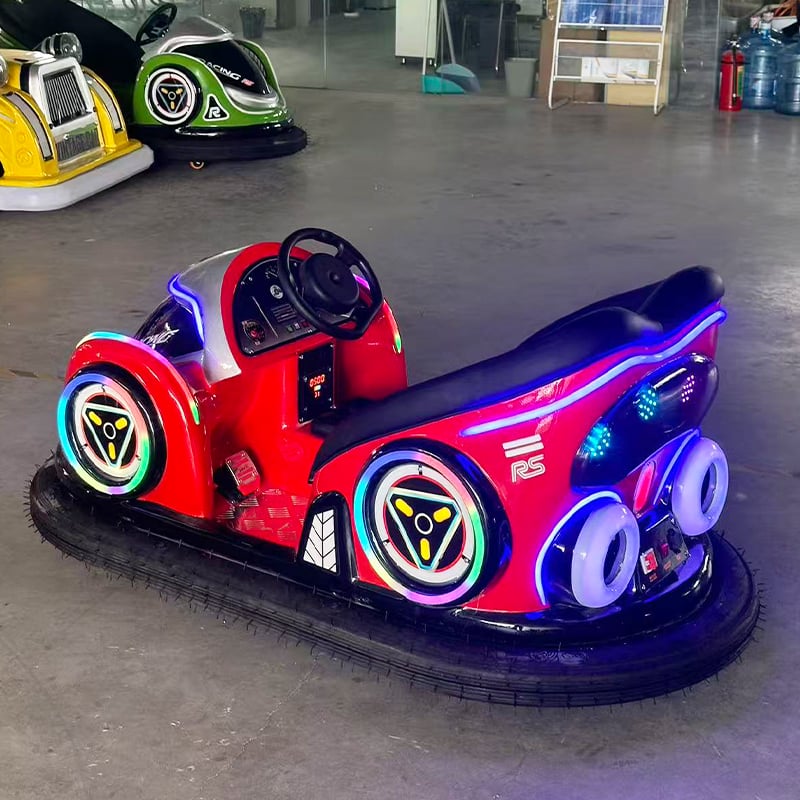
Safety is the cornerstone of any successful amusement facility, and when it comes to outdoor bumper cars, the flooring surface directly impacts rider protection and operational reliability. Anti-slip coatings represent a critical investment in both safety and durability for any outdoor bumper car rink. When weather conditions, moisture, and constant vehicle traffic combine, standard surfaces deteriorate rapidly and become hazardous. Venues that neglect proper flooring protection face increased liability, reduced rider confidence, and accelerated maintenance costs. This article explores anti-slip coating solutions specifically designed for outdoor bumper car environments.
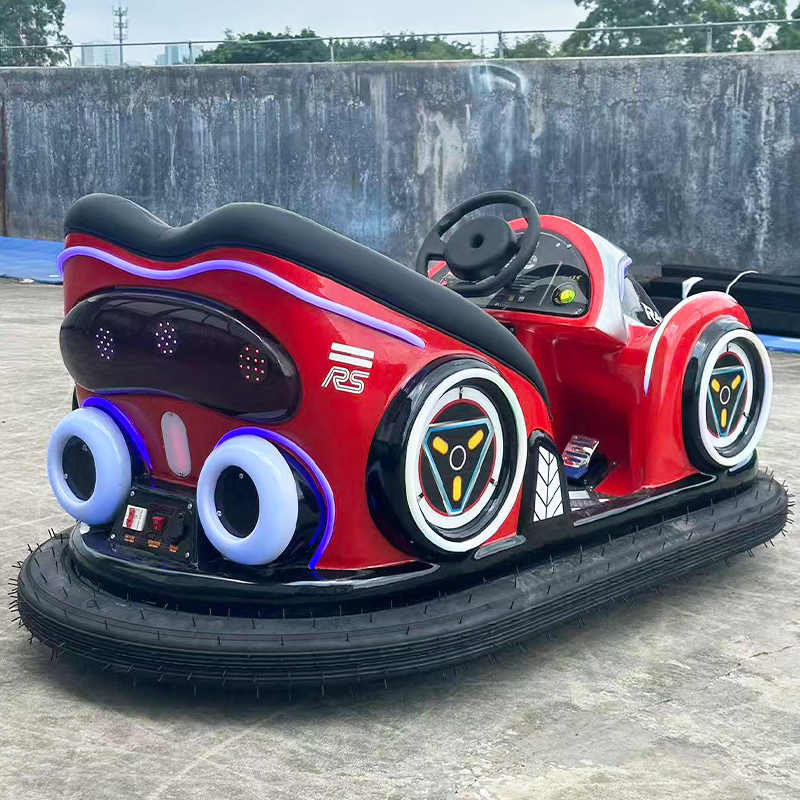
Outdoor entertainment venues operate under demanding environmental pressures that indoor facilities never encounter. Rain, UV exposure, temperature fluctuations, and salt spray all compromise traditional flooring materials. A weatherproof bumper car surface must resist these elements while maintaining consistent friction characteristics throughout the season. Proper anti-slip coating selection ensures that riders experience uniform handling regardless of weather, maximizes equipment lifespan, and demonstrates professional safety standards to customers and regulators.
Understanding Anti-Slip Coating Requirements for Outdoor Bumper Car Rinks
Environmental Stress Factors Affecting Flooring Performance
Outdoor bumper car rink flooring operates under extreme conditions that demand specialized material solutions. Moisture infiltration creates slip hazards and weakens underlying substrates through freeze-thaw cycles. UV radiation degrades polymer binders in standard coatings, causing discoloration and loss of adhesion within months. Salt air in coastal locations accelerates corrosion of metal components and triggers chemical degradation in unprotected surfaces. Temperature swings between summer heat and winter cold create expansion stresses that cause peeling and delamination in inadequate systems.
The battery bumper car operations demand floors that withstand repetitive impact and constant moisture exposure. Vehicle wheels compress coatings unevenly, and charge stations near the rink perimeter concentrate water drainage around critical areas. Without proper slip resistance, riders lose control during acceleration or sudden stops, increasing collision severity and injury risk. Venues that prioritize weatherproof bumper car flooring protect both their customers and their investment in expensive ride equipment.
Safety Standards and Performance Metrics
Industry guidelines specify that flooring surfaces maintain a coefficient of friction between 0.5 and 0.7 for safe ride operation. Anti-slip coatings must demonstrate this performance wet and dry, across temperature ranges, and after months of UV exposure. Testing protocols include ASTM D2047 (static friction) and NFSI/ANSI standards for slip resistance verification. A high-quality weatherproof bumper car coating retains these performance metrics throughout its service life, reducing the need for emergency closures and maintenance interventions.
Outdoor bumper car rink operators must document coating specifications and test results for liability protection and regulatory compliance. Facilities that fail to maintain proper slip resistance face potential shutdowns and legal exposure if accidents occur. Choosing coatings tested specifically for outdoor amusement environments ensures that your battery bumper car operation meets insurance requirements and demonstrates duty-of-care standards.
Selecting and Installing Anti-Slip Coatings for Optimal Performance
Material Options and Their Advantages
Two-part polyurethane coatings dominate professional outdoor bumper car rink applications because they combine UV stability, moisture resistance, and durable slip characteristics. These systems cure through chemical reaction rather than evaporation, creating dense polymer networks that withstand environmental stress. Epoxy resin coatings offer excellent chemical resistance but require supplemental UV protective topcoats to prevent yellowing. Acrylic-based systems provide easier application and faster cure but typically deliver shorter service life in harsh outdoor conditions. For battery bumper car venues prioritizing longevity, polyurethane systems outperform alternatives despite higher initial costs.
Aggregate selection within anti-slip coatings directly influences performance and maintenance requirements. Fine mineral aggregates create smoother surfaces with consistent friction but may pack down over time. Coarser materials like aluminum oxide deliver excellent slip resistance but can trap dirt and become difficult to clean. The outdoor bumper car rink environment benefits from medium-grade aggregates bonded firmly into the coating matrix, creating a self-replenishing slip surface that resists polishing from tire contact.
Application and Maintenance Practices
Proper surface preparation determines coating success more than any other factor. Existing concrete must be cleaned with pressure washing or acid etching to remove all contaminants, biological growth, and previous coatings. Moisture testing ensures the substrate contains less than four percent water content before application. Temperature and humidity conditions during application directly affect cure time and coating quality, requiring work schedules that avoid rain and temperature extremes.
Installation of anti-slip coatings on an outdoor bumper car rink demands experienced contractors familiar with amusement venue requirements. Coatings must be applied in multiple thin layers rather than single thick applications to prevent cracking and ensure uniform slip characteristics. Curing periods vary by product but typically require 24 to 72 hours before the weatherproof bumper car surface accepts operational traffic. After installation, routine maintenance including power washing and periodic re-coating extends service life significantly. Battery bumper car operations benefit from annual inspections that identify wear patterns and guide targeted maintenance decisions.
Integrating Anti-Slip Flooring with Overall Outdoor Bumper Car Operations
Cost-Benefit Analysis and Long-Term Value
Premium anti-slip coatings represent two to four percent of total outdoor bumper car rink construction costs but extend pavement life by fifty percent or more. Avoided replacement costs, reduced liability claims, and improved rider experience create compelling financial justification for professional installation. Venues that operate battery bumper car equipment year-round see the fastest return on coating investments because environmental stress and equipment wear accelerate in continuous-operation scenarios. Initial expense feels substantial, but cost-per-operating-hour demonstrates that weatherproof bumper car flooring delivers exceptional value.
Operational efficiency gains compound the financial benefits of proper anti-slip flooring. Reduced maintenance interruptions mean more revenue-generating operating hours and improved customer satisfaction scores. Staff spend less time addressing safety concerns when riders experience consistent vehicle handling. Venues that market their professional safety standards and well-maintained outdoor bumper car rink flooring attract higher-value customer segments willing to pay premium ticket prices.
Seasonal Preparation and Environmental Protection
Before winter months, outdoor bumper car rink operators should complete any necessary coating repairs and apply protective treatments that enhance moisture repellency. Drainage systems must function perfectly to prevent standing water that compromises coating integrity and creates slip hazards. Snow and ice removal procedures should use non-damaging techniques that don't strip or abrade anti-slip surfaces. Battery bumper car venues benefit from strategically placed coverings during extended shutdown periods that shield floors from harsh weather while allowing water drainage.
Spring maintenance routines should include professional cleaning to restore slip characteristics and visual appeal after winter exposure. Weatherproof bumper car flooring systems perform optimally when operators implement preventive care schedules aligned with seasonal cycles. Documentation of coating condition, maintenance activities, and performance observations creates valuable records for planning future upgrades. Regular assessment of the outdoor bumper car rink surface ensures that safety standards remain consistently met and visitor experiences remain positive throughout the operating calendar.
FAQ
How long do anti-slip coatings typically last on outdoor bumper car rink surfaces?
Quality polyurethane anti-slip coatings on outdoor bumper car rinks typically last five to seven years under normal operating conditions with proper maintenance. High-traffic battery bumper car facilities may experience faster wear in heavily used zones, requiring localized re-coating after three to four years. Climate extremes, particularly freeze-thaw cycles and intense UV exposure, can reduce coating lifespan. Regular cleaning, prompt repairs, and periodic reapplication of protective topcoats significantly extend the service life of weatherproof bumper car flooring systems.
Can anti-slip coatings be applied over existing outdoor bumper car flooring without removal?
Overlay application is possible only when existing surfaces are structurally sound and properly prepared. Old coatings must be completely removed through grinding or chemical stripping to ensure proper adhesion of new anti-slip coatings. For battery bumper car rinks with compromised or failing flooring, substrate replacement provides better long-term outcomes than attempting overlays. Professional assessment of the outdoor bumper car rink condition determines whether overlay application or complete resurfacing offers superior value and safety performance.
What maintenance routine maximizes the lifespan of weatherproof bumper car flooring?
Effective maintenance includes monthly power washing at moderate pressure to remove debris without damaging the anti-slip aggregate, quarterly inspections for wear patterns and coating damage, and prompt patching of any areas showing deterioration. Battery bumper car operations should implement annual professional cleaning and assessment, with full protective topcoat reapplication every two to three years. Proper drainage system maintenance prevents water accumulation that compromises outdoor bumper car rink flooring integrity. Documentation of all maintenance activities creates records that support insurance claims and demonstrate professional facility management to regulators and customers.