
 EN


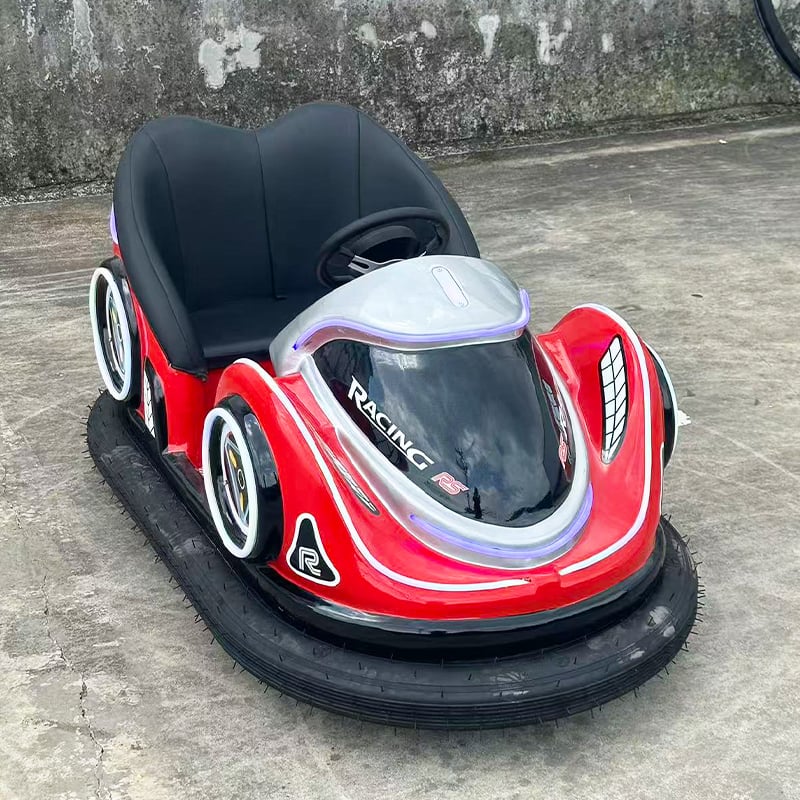
Selecting the right surface for outdoor bumper cars is one of the most critical decisions for amusement operators. The flooring you choose directly affects vehicle performance, safety, maintenance costs, and customer experience. Asphalt and steel plate surfaces dominate the market, but each brings distinct advantages and limitations. Understanding the differences between these two materials helps operators make informed investments that align with their operational goals, climate conditions, and budget constraints.

The outdoor bumper car rink industry demands flooring solutions that withstand constant vehicle movement, weather exposure, and intensive operational schedules. Both asphalt and steel plate systems have proven track records in commercial amusement settings, yet they serve different operator needs and environmental contexts. This comparison examines construction characteristics, durability factors, maintenance requirements, and suitability for battery bumper car operations to guide your flooring decision.
Asphalt Surface Characteristics and Performance
Construction and Initial Installation
Asphalt remains the traditional choice for outdoor bumper car rinks across North America and Europe. Installation involves layering hot mix asphalt over a prepared base course, creating a surface typically 3 to 4 inches thick. The process requires proper drainage design, subgrade preparation, and professional equipment to ensure correct compaction and surface uniformity. Initial installation costs generally range lower than steel alternatives, making asphalt an attractive option for operators with tighter capital budgets. However, the quality of installation directly impacts long-term performance and the surface's ability to support battery bumper car operations effectively.
Weather Resistance and Seasonal Durability
Asphalt surfaces experience significant stress from temperature fluctuations, moisture exposure, and UV radiation in outdoor environments. During summer months, asphalt can soften under intense heat, potentially creating uneven spots where battery bumper car wheels sink or lose traction. Winter freeze-thaw cycles cause expansion and contraction that leads to cracking, potholing, and surface degradation. While sealcoating provides temporary protection, weatherproof bumper car operations require frequent surface maintenance to prevent safety hazards. Operators in regions with extreme seasonal variations often face accelerated deterioration and higher lifecycle costs despite lower initial pricing.
Steel Plate Surface Characteristics and Performance
Construction and Durability Framework
Steel plate surfaces consist of heavy-gauge steel sheets bolted or welded to steel support frames, creating a modular and durable foundation for outdoor bumper car rinks. Installation involves precise leveling, secure fastening systems, and proper drainage integration beneath the plates. Steel plate thickness typically ranges from 6 to 8 millimeters, offering substantial structural integrity that resists deformation under continuous vehicle traffic. The modular design allows operators to replace individual sections without disrupting the entire rink, streamlining maintenance operations. Initial installation costs exceed asphalt systems, but the extended service life and reduced maintenance requirements often deliver superior long-term value.
Environmental Performance and Weatherproof Design
Steel plate surfaces demonstrate excellent weatherproof bumper car rink performance by resisting temperature fluctuations, moisture penetration, and UV degradation that compromise asphalt. The hard, consistent surface maintains uniform traction across seasonal changes, supporting reliable battery bumper car operation throughout the year. Steel plates do not soften in summer heat or crack during winter freeze-thaw cycles, eliminating the surface degradation patterns seen in asphalt installations. Corrosion protection through epoxy coating or galvanizing treatments extends service life significantly in coastal or humid climates. Operators report superior traction consistency, reduced vehicle maintenance needs, and minimal surface-related safety incidents compared to aged asphalt alternatives.
Operational Considerations and Long-Term Costs
Maintenance Requirements and Downtime
Asphalt surfaces demand regular maintenance including sealcoating every 2 to 3 years, pothole repair, crack filling, and occasional resurfacing. These interventions require scheduled downtime, equipment mobilization, and weather-dependent scheduling that disrupts revenue-generating operations. Battery bumper car vehicles can accelerate wear patterns, particularly in high-traffic zones, necessitating targeted repairs that create operational complications. Steel plate systems require minimal surface maintenance beyond inspection and minor fastener tightening, dramatically reducing downtime and operational disruptions. The reduced maintenance burden translates to predictable operational schedules and lower unexpected repair costs throughout the surface's lifespan.
Safety and Vehicle Performance
Surface consistency directly influences outdoor bumper car rink safety and battery bumper car performance characteristics. Asphalt surfaces develop ruts, soft spots, and uneven areas over time, affecting vehicle handling and creating collision risk factors. Steel plates maintain consistent hardness and traction, supporting predictable vehicle movement and collision mechanics essential for guest safety. The uniform surface minimizes wheel damage to battery bumper cars, reducing maintenance frequency and vehicle replacement costs. Operators prioritizing guest safety and vehicle longevity increasingly recognize steel plate advantages that asphalt cannot match as surfaces age.
FAQ
What climate conditions favor asphalt over steel plate for outdoor bumper car rinks?
Asphalt surfaces perform adequately in temperate climates with moderate temperature variation and limited freeze-thaw cycles. Regions with mild winters, consistent humidity levels, and less intense UV exposure experience slower asphalt degradation. However, even in favorable climates, asphalt requires more frequent maintenance than steel alternatives. Operators in stable weather zones might choose asphalt primarily for lower initial capital requirements, though long-term costs often favor steel systems.
How does battery bumper car weight distribution affect surface selection?
Battery bumper cars concentrate significant weight in compact vehicles, creating concentrated stress points during high-speed collisions and constant movement. Steel plate surfaces distribute and withstand concentrated loads without permanent deformation or traction loss. Asphalt surfaces, particularly in high-traffic zones, develop compression indentations and soft spots under repeated concentrated stress from battery bumper car operations. This accelerates surface deterioration and increases safety risks over time. The weatherproof bumper car operational demands of modern battery systems make steel plates the superior choice for protecting surface integrity.
Can weatherproof bumper car operations extend asphalt surface life through protective coatings?
Protective coatings and sealants provide temporary weatherproofing that extends asphalt surface life by 1 to 3 years but cannot eliminate fundamental environmental degradation. Reapplication every 2 to 3 years remains necessary, creating recurring maintenance cycles and associated downtime. Steel plate systems, once installed with proper corrosion protection, require minimal intervention over 15 to 20 year service periods. For operators seeking genuine weatherproof bumper car solutions with minimal maintenance disruption, steel plates offer substantially superior long-term performance despite higher initial investment costs.