
 EN


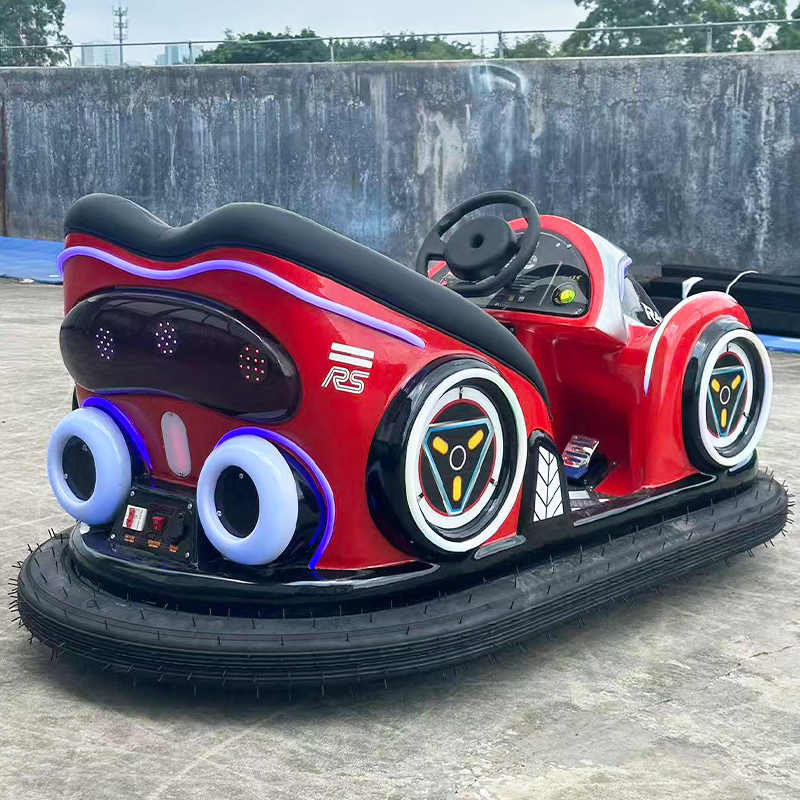
Protecting an outdoor bumper car frame from environmental degradation is essential for extending equipment lifespan and maintaining aesthetic appeal. Metal and composite frames exposed to sun, rain, salt air, and temperature fluctuations face accelerated corrosion that compromises structural integrity and operational safety. Corrosion resistant coatings represent the frontline defense against these destructive forces, creating a protective barrier that shields the frame from moisture ingress and oxidation. Without proper coating systems, an outdoor bumper car ride experience deteriorates rapidly, leading to increased maintenance costs, equipment downtime, and potential safety concerns for operators and riders alike.
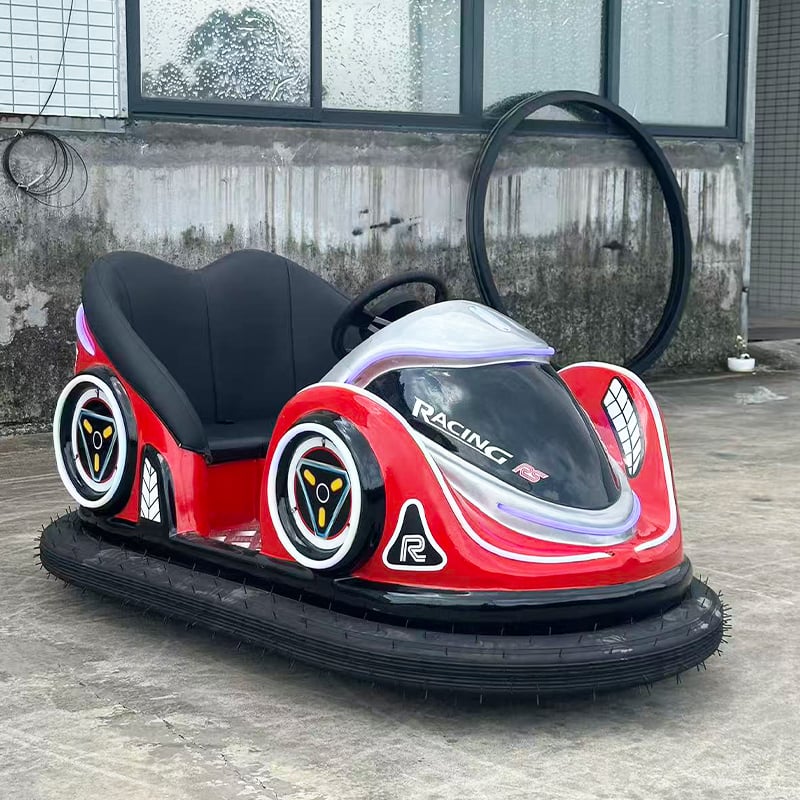
Modern amusement park operators recognize that investing in premium corrosion resistant coatings directly impacts their return on investment and operational efficiency. A weatherproof bumper car frame maintains its performance characteristics and visual appeal throughout multiple seasons, reducing the frequency of touch-ups and complete refinishing jobs. The right coating strategy depends on understanding your specific environmental conditions, frame material composition, and long-term operational goals. This exploration examines the most effective corrosion resistant coatings available today, application techniques that maximize protection, and maintenance practices that preserve coating integrity over time.
Understanding Corrosion Resistance in Outdoor Bumper Car Environments
Environmental Challenges Facing Frame Structures
Outdoor bumper car frames encounter a complex array of corrosion catalysts that attack metal surfaces from multiple angles simultaneously. Saltwater environments near coastal amusement parks accelerate electrochemical corrosion through galvanic action, while freshwater systems promote rust formation through oxygen-driven oxidation. UV radiation degrades organic coating binders, creating surface crazing and chalk formation that expose underlying metal to moisture infiltration. Temperature cycling stresses coating adhesion as materials expand and contract at different rates, eventually allowing water and corrosive ions to penetrate microscopic cracks and undermine the protective layer.
Material Considerations for Frame Protection
Steel frames demand aggressive corrosion prevention because unprotected iron oxidizes readily in humid conditions, particularly when salt exposure occurs. Aluminum and composite frames offer inherent corrosion resistance but still require protective coatings to prevent galvanic corrosion at fastener interfaces and to maintain visual appearance. A battery bumper car frame must protect electrical connections and control systems from moisture ingress, making comprehensive coating coverage around junction points and cable entry areas critically important. Fiberglass-reinforced polymer frames benefit from coatings that protect against UV degradation and osmotic blistering, which can compromise the resin matrix over extended exposure periods.
Premium Corrosion Resistant Coating Systems
Polyurethane and Polyurea Coatings
Polyurethane-based coatings represent the industry standard for outdoor bumper car frame protection due to their exceptional durability, flexibility, and chemical resistance. Two-component polyurethane systems form dense crosslinked networks that resist water penetration while maintaining elasticity to accommodate thermal expansion and substrate movement. These coatings provide superior gloss retention and color stability under intense UV exposure, critical for maintaining an outdoor bumper car ride's visual appeal throughout peak operating seasons. Application typically requires skilled technicians and controlled environmental conditions to ensure proper cure and film formation, but the resulting protection justifies the investment in initial application quality.
Epoxy-Based Protection Systems
Epoxy coatings excel at adhesion to challenging substrates and provide outstanding chemical and abrasion resistance, making them ideal base coats for a weatherproof bumper car frame. Two-component epoxy formulations cure through amine-hydroxyl crosslinking, creating highly durable films resistant to saltwater, oils, and cleaning agents commonly used at amusement facilities. Epoxy primers offer excellent corrosion inhibition through zinc phosphate or other anti-corrosive pigments, establishing a protective foundation before topcoat application. The main limitation of pure epoxy topcoats involves poor UV resistance; therefore, epoxy typically serves as an intermediate layer beneath polyurethane or aliphatic polyester topcoats that provide long-term outdoor weathering protection.
Advanced Zinc-Rich Formulations
Zinc-rich coatings provide sacrificial corrosion protection by offering up to 85% zinc dust content that remains electrochemically active and corrodes preferentially to the steel substrate. A battery bumper car frame benefits from zinc-rich primer applications that create a galvanic barrier, extending corrosion protection even if the topcoat system becomes compromised by mechanical damage. These specialized formulations work through two mechanisms: barrier protection from the coating film itself and galvanic protection from active zinc particles establishing microelectrodes that protect exposed steel areas. Zinc-rich systems require proper surface preparation and may necessitate specialized application equipment, but the extended protection timeline justifies their use in salt-spray environments or high-humidity coastal facilities.
Application Techniques and Maintenance Strategies
Surface Preparation Fundamentals
Proper surface preparation determines whether any corrosion resistant coating system achieves its intended protective performance or fails prematurely through adhesion loss and coating degradation. Steel frames require removal of all rust, mill scale, and contaminants through abrasive blasting to achieve Sa 2.5 surface cleanliness standards, exposing fresh metal for optimal primer adhesion. Aluminum and composite substrates need careful cleaning with appropriate solvents and mild abrasive methods to remove oxidation and manufacturing residues without damaging the base material. Humidity during application profoundly affects coating cure and final properties; high moisture environments cause blushing in polyurethane systems and can trap water at substrate interfaces, leading to adhesion failure and accelerated corrosion initiation beneath the coating film.
Multi-Coat System Architecture
An outdoor bumper car ride frame achieves maximum corrosion protection through layered coating architecture combining distinct functional layers, each contributing specific protective benefits. The primer layer establishes adhesion to the substrate while providing initial corrosion inhibition through zinc or phosphate chemistry; typical dry film thickness ranges from 50 to 75 microns. An intermediate tie-coat or additional epoxy layer builds corrosion resistance and mechanical durability, adding 75 to 100 microns of protective film. The topcoat layer provides UV resistance, gloss retention, and the final weathering protection, typically requiring 75 to 100 microns of polyurethane or aliphatic polyester to achieve the specified total system thickness of 200 to 275 microns for severe corrosive environments.
Long-Term Maintenance and Inspection Protocols
Maintaining a weatherproof bumper car frame's coating integrity requires regular visual inspections, spot repairs, and periodic refinishing to address environmental degradation. Annual inspections should identify early signs of coating failure including blistering, chalking, adhesion loss, or mechanical damage; prompt touch-up repairs prevent water ingress and expansion of damage zones. High-traffic areas experiencing mechanical wear benefit from protective edge stripping and rub-resistant topcoat reinforcement in corners and contact points. Every three to five years, depending on environmental severity, weatherproof bumper car installations benefit from light surface cleaning, spot priming of exposed areas, and selective topcoat refreshing to restore visual appearance and extend overall system life.
FAQ
How does UV exposure affect outdoor bumper car frame coatings?
UV radiation breaks down the organic binder chemistry in coating films through photodegradation, causing surface chalking where pigment particles become loose and wash away with rain. This process exposes underlying layers to direct UV and moisture contact, accelerating substrate corrosion. Aliphatic polyurethane and aliphatic polyester topcoats resist UV degradation far better than aromatic systems, maintaining color and gloss for extended periods on outdoor bumper car frames exposed to intense sunlight.
What causes adhesion failure in outdoor bumper car coating systems?
Inadequate surface preparation leaving contaminants, rust, or mill scale prevents primers from bonding tightly to the substrate. Moisture and high humidity during application trap water at substrate interfaces, creating weak adhesion zones that eventually fail. Temperature cycling stresses the coating-substrate interface through differential thermal expansion, and mechanical damage from impact or abrasion concentrates stress that propagates delamination. A battery bumper car requires particularly careful application around electrical connections where moisture ingress poses safety risks.
When should an outdoor bumper car ride benefit from complete coating system replacement?
Complete system replacement becomes necessary when existing coatings show widespread failure including extensive blistering, adhesion loss affecting more than 15% to 20% of surface area, or deep corrosion pits that compromise frame structural integrity. If substrate corrosion reaches depths exceeding 15% to 20% of original material thickness, repainting cannot restore adequate corrosion protection without addressing the underlying metal loss. Environmental assessment determines replacement timing; facilities in severe salt-spray zones may require complete system refreshing every eight to twelve years, while inland locations with moderate humidity may extend this interval to fifteen years or longer.