
 EN


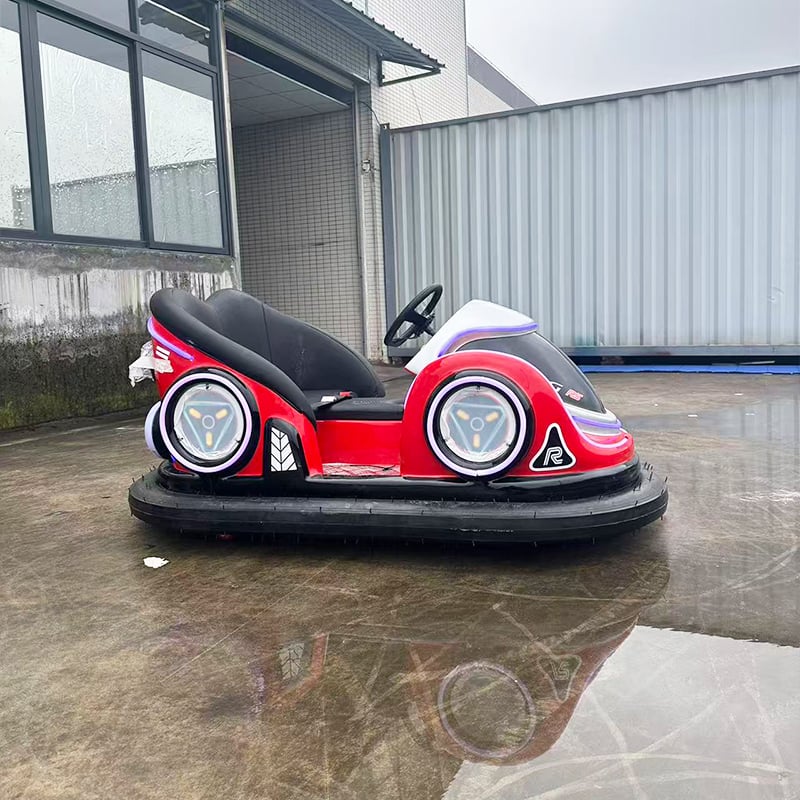
A mini bumper car controller is the operational hub that governs how riders experience each ride. Among its most important features are the built-in speed settings, which allow operators and facility managers to customize the intensity and safety profile of the driving experience. Understanding these settings helps you maximize rider enjoyment while maintaining appropriate safety levels across different age groups and skill levels.

Modern small bumper car controllers incorporate multiple speed adjustment mechanisms designed for both convenience and precision. These systems allow facility operators to establish baseline performance parameters for each compact bumper car unit before riders take control, ensuring consistent operation across your entire fleet. The speed settings directly influence acceleration response, maximum velocity, and braking behavior, making them essential for customizing the experience for kids bumper car operations or adult sessions.
Understanding Speed Range Architecture
Low, Medium, and High Speed Modes
Most quality small bumper car controllers feature a three-tier speed mode system: low, medium, and high settings. Low speed mode typically restricts the compact bumper car to approximately 3–5 miles per hour, making it ideal for very young children, first-time riders, or crowded operating conditions. Medium speed elevates performance to roughly 6–8 miles per hour, suitable for elementary-aged children and general recreational use. High speed allows the mini bumper car to reach 9–12 miles per hour or beyond, appropriate for older children, teenagers, and adult riders seeking more dynamic interaction.
Proportional Control Response
Advanced controllers implement proportional speed adjustment rather than simple on-off switching. This means as riders apply throttle on a kids bumper car, acceleration increases gradually within the active speed range. A compact bumper car equipped with proportional control delivers more realistic vehicle feel and gives operators finer management over acceleration profiles. This technology reduces sudden jerking movements and improves ride comfort, particularly important when operating multiple small bumper car units simultaneously in a busy venue.
Controller Interface and Adjustment Methods
Physical Control Knobs and Buttons
Traditional mini bumper car controllers use mechanical knobs or push-button arrays to set speed parameters. An operator rotates a speed dial or presses designated buttons to move between preset speed levels, with visual indicators showing the active setting. These interfaces remain popular because they are durable, require no power beyond the main vehicle battery, and enable rapid adjustments between rides. A compact bumper car with physical controls allows staff to quickly reconfigure performance when switching between different age groups or event types.
Digital Display and Precision Tuning
Premium small bumper car systems incorporate digital displays showing real-time speed data, battery voltage, and active mode indicators. These controllers often permit numeric input of exact speed thresholds rather than relying on preset increments. An operator can set a kids bumper car to exactly 4.5 mph or adjust a compact bumper car to 7.2 mph using touchscreen or keypad input. Digital precision appeals to larger facilities where consistency across a fleet of multiple mini bumper car units is critical for brand reputation and rider satisfaction.
Safety Implications and Operator Considerations
Matching Speed to Age and Experience
Speed settings on a small bumper car controller serve a direct safety function by ensuring ride intensity aligns with participant capability. Young children, typically aged 3–7, should operate kids bumper car models at low speed to prevent injury from collisions and to keep the experience manageable for developing motor control. School-age children aged 8–12 typically handle medium speed safely, while a compact bumper car at medium or high speed suits teenagers and adults. Incorrect speed matching—operating a mini bumper car too fast for a rider's age—elevates collision impact and increases accident risk.
Environmental and Context Factors
Operating conditions influence optimal speed settings. A crowded venue with multiple small bumper car units operating simultaneously may warrant reduced speeds across the fleet to prevent dangerous multi-vehicle collisions. Outdoor installations exposed to wind or uneven terrain might operate compact bumper car units at slightly lower speeds for stability. Indoor, temperature-controlled environments with smooth concrete or specially designed tracks support higher speeds safely. Experienced operators continuously evaluate small bumper car performance and adjust settings based on venue layout, participant density, and seasonal conditions to maintain both excitement and safety standards.
Maximizing Performance Through Speed Settings
Fleet Consistency and Maintenance
A well-maintained mini bumper car fleet with properly calibrated speed settings delivers consistent, predictable performance that builds rider confidence and repeat visits. When all compact bumper car units in your fleet respond identically to throttle input, riders develop reliable expectations and feel more in control. Regular calibration checks ensure speed controllers remain accurate over time, preventing performance drift that might make one kids bumper car feel sluggish while another feels overly responsive. Documentation of speed settings for each small bumper car unit helps staff maintain standards and troubleshoot performance issues quickly.
Revenue Optimization Through Customization
Speed settings enable revenue opportunities through tiered pricing models. A compact bumper car arena might offer budget rides at low speed for younger children and premium experiences at high speed for adults. This segmentation allows one mini bumper car fleet to serve multiple demographic groups simultaneously, maximizing facility utilization. Additionally, hosting special events like high-speed championships or beginner nights requires speed flexibility. A kids bumper car program benefits from adjustable controllers that can be lowered for Saturday morning children's sessions and raised for Friday evening adult events, amplifying revenue per vehicle investment.
FAQ
How frequently should speed settings be checked on a small bumper car controller?
Speed calibration should occur monthly during regular maintenance cycles and immediately if riders or staff report performance inconsistencies. Many operators also verify settings at the start of each operating season. A compact bumper car that has been idle for extended periods may experience battery degradation or controller drift, affecting speed accuracy. Regular checks ensure your mini bumper car fleet maintains factory specifications and operates safely.
Can speed settings on a kids bumper car controller be adjusted mid-session?
This depends on controller design. Many small bumper car systems require stopping the ride and powering down the vehicle to change speed parameters, ensuring safety. However, some advanced compact bumper car controllers permit remote speed adjustment via wireless interfaces while the ride operates, though this requires strict operator training and safety protocols. Most facilities keep settings fixed per session to eliminate complexity and reduce operator error risk on their mini bumper car fleet.
What happens if speed settings are set too high for young riders?
Operating a kids bumper car at inappropriate speed elevates collision impact forces, increasing injury risk and negative experiences. Young riders may lose directional control or become frightened. A compact bumper car moving faster than a child can handle physically often results in accidents. This is why matching small bumper car speed settings to age and experience is a primary safety responsibility. Facility liability also increases when speed parameters exceed rider capability levels.