
 EN


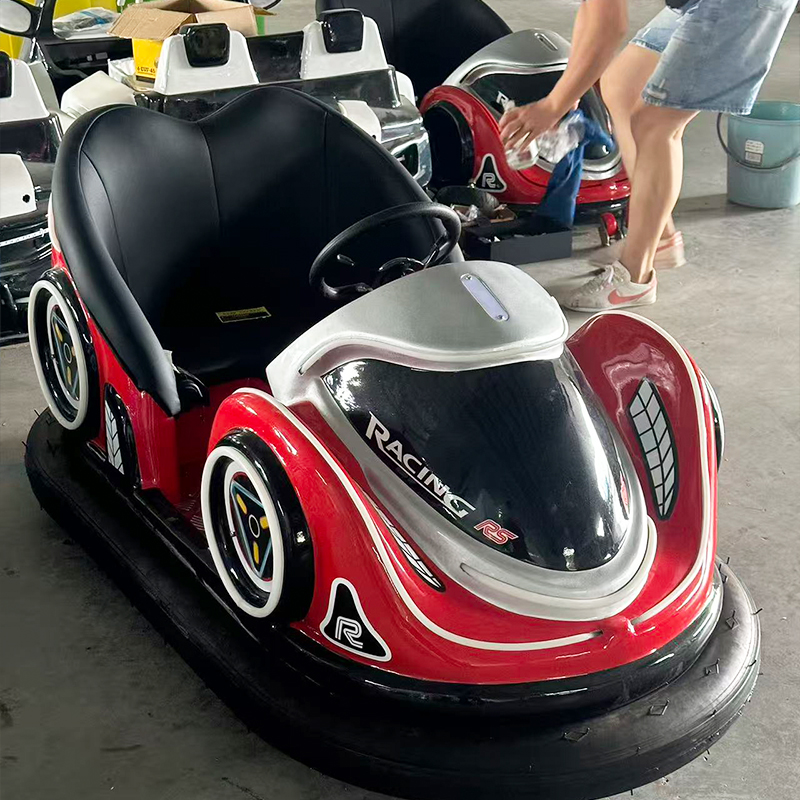
Creating an effective layout for a mini bumper car installation in a compact play area requires careful planning and strategic design choices. Space constraints present both challenges and opportunities for operators seeking to maximize guest enjoyment while maintaining safety and operational efficiency. Whether you are developing a new indoor play facility, retrofitting an existing venue, or expanding a children's entertainment center, understanding the core principles of small bumper car layout optimization is essential to success. The right configuration can transform limited square footage into a thriving attraction that generates consistent revenue and keeps guests engaged.
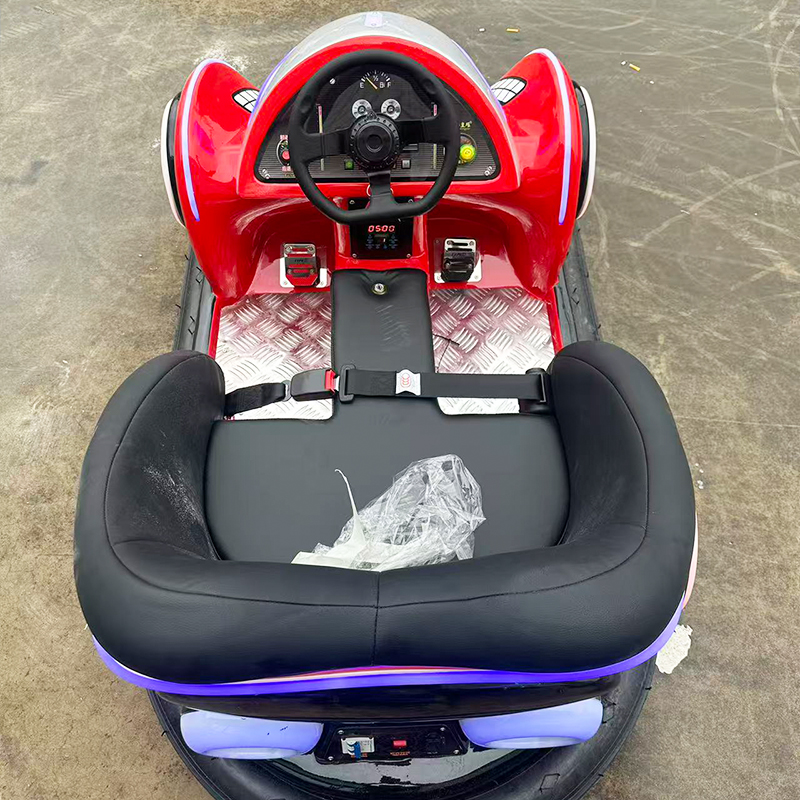
A compact bumper car area serves multiple market segments, from family entertainment centers to shopping mall attractions and themed venues. Understanding how to design for limited space while delivering a memorable experience is critical. This article explores practical optimization strategies for mini bumper car installations, covering arena design principles, safety integration, traffic flow management, and revenue-enhancing configurations. By applying these proven techniques, operators can deliver exceptional guest satisfaction even with spatial limitations.
Core Design Principles for Small Bumper Car Layouts
Understanding Space Efficiency in Compact Bumper Car Areas
The foundation of successful compact bumper car design lies in understanding how much functional space your attraction truly needs. A kids bumper car arena requires enough room for safe vehicle operation, guest circulation, and emergency access. Most compact installations operate effectively within 800 to 1,200 square feet, depending on vehicle size and guest volume targets. The key is calculating the precise perimeter, entry and exit zones, and safety barriers that allow continuous operation without compromising guest experience. When space is limited, every square foot must serve a purpose.
Layout efficiency directly impacts operational capacity and revenue potential. A well-designed small bumper car installation can achieve throughput comparable to larger facilities by optimizing rotation cycles and queuing systems. Rather than viewing compact spaces as limitations, experienced operators recognize them as opportunities to create intimate, high-energy venues where every inch contributes to the guest journey. The most successful small bumper car configurations balance vehicle density, sightline clarity, and operational workflow seamlessly.
Safety Integration Within Spatial Constraints
Incorporating safety into a compact bumper car layout requires compliance with regional regulations while maximizing usable play area. Padded barriers, wall protection, and overhead clearance must meet standards without consuming disproportionate space. Many operators use vertical safety solutions, such as elevated viewing areas or mezzanine structures, to integrate spectator zones without reducing the active play footprint. This approach keeps the small bumper car arena focused on guest activity while providing clear sightlines for attendants and family members.
Emergency egress planning is particularly important in confined spaces. Exit pathways must remain unobstructed and clearly marked, with signage visible from all points in the arena. A compact bumper car installation should include multiple emergency routes to prevent congestion during evacuation scenarios. Lighting, ventilation, and sound management also require careful attention in smaller venues, where these elements can significantly impact guest comfort and safety perception.
Traffic Flow and Queuing Optimization Strategies
Designing Entry and Exit Pathways
Efficient guest movement is crucial in any compact play area. For a kids bumper car venue, the entry pathway should lead directly to a queuing zone that clearly separates waiting guests from active vehicle areas. Separate entry and exit flows prevent congestion and create a professional, organized experience even when demand is high. Many successful small bumper car operators position the queue alongside the arena rather than in front, allowing visibility of the action while guests wait. This transparency builds anticipation and encourages repeat visits.
The transition from queue to vehicle boarding should be intuitive and quick. Loading zones adjacent to the arena perimeter reduce idle time and keep the experience flowing smoothly. Clear signage indicating height requirements, age restrictions, and safety guidelines should position near entry points. A compact bumper car layout benefits from pre-ride briefings conducted in or near the queue zone, ensuring that safety information reaches guests before they board vehicles.
Managing Vehicle Rotation and Cycle Times
Maximizing revenue from a small bumper car installation depends on optimizing ride cycle times and vehicle turnover. Compact layouts typically operate 3 to 5-minute ride sessions, allowing operators to serve 10 to 20 guests per hour per vehicle. Strategic positioning of vehicles in charging stations just outside the active play zone enables quick vehicle swaps between rides. This approach keeps downtime minimal and maintains high availability throughout operating hours. Pre-staging vehicles for the next rotation ensures that riders never wait because equipment is unavailable.
Attendant positioning and communication systems are critical for managing flow in a confined space. A single operator can efficiently manage a compact bumper car area when the layout places loading and unloading zones near control stations. Radio communication or wireless monitoring systems allow staff to coordinate vehicle rotation, monitor guest safety, and manage queues from a central position. Automation of certain functions, such as arena gates and boundary lighting, further streamlines operations in space-limited environments.
Revenue Enhancement and Capacity Planning
Tiered Pricing and Experience Differentiation
Even with limited physical space, a small bumper car installation can generate substantial revenue through strategic pricing models. Offering tiered ride durations (such as 3-minute and 5-minute sessions) allows guests to choose experiences matching their preferences and budgets. VIP or premium packages that include priority access, special event bookings, or group rates capitalize on the exclusivity of a compact venue. Dynamic pricing based on demand and time of day further optimizes revenue without requiring additional space.
Creating ancillary revenue streams supports overall profitability. Photo packages, merchandise, extended play passes, and birthday party hosting capitalize on the captive guest audience. A compact bumper car venue naturally lends itself to event hosting, making the space attractive for celebrations and group bookings. Premium seating or observation areas positioned above or adjacent to the arena generate additional revenue while enhancing the spectator experience.
Calculating and Maximizing Guest Capacity
Determining the optimal number of vehicles and guests for your compact bumper car installation balances safety, experience quality, and operational capacity. Industry guidelines suggest approximately 4 to 6 square feet per vehicle when operating at full capacity in a small bumper car arena. A 1,000-square-foot facility typically supports 4 to 6 vehicles safely, translating to 8 to 12 simultaneous riders. Managing queue expectations during peak periods ensures consistent guest satisfaction and maximizes throughput throughout the day.
Data collection on ride completion, guest demographics, and revenue patterns informs ongoing optimization decisions. Tracking peak hours, dwell times, and repeat visitor rates helps operators refine pricing, staffing, and marketing strategies. Many successful kids bumper car venues use this data to identify seasonal trends and adjust promotional activities accordingly. Regular performance reviews ensure that the compact layout continues generating strong returns as market conditions and guest preferences evolve.
FAQ
What is the minimum space required for a compact bumper car installation?
Most compact bumper car installations function effectively within 800 to 1,200 square feet, including queuing areas, loading zones, and active play space. The exact footprint depends on vehicle size, expected guest volume, and local safety regulations. Consulting with equipment manufacturers and regulatory authorities helps determine the minimum viable space for your specific market and venue type.
How many vehicles can operate safely in a small bumper car arena?
A typical small bumper car installation accommodates 4 to 6 vehicles during simultaneous operation, supporting 8 to 12 riders at full capacity. This density allows for engaging gameplay while maintaining safe distances and preventing excessive collisions. Vehicle quantity should align with your facility's operational capacity and safety compliance requirements.
What safety measures are essential for kids bumper car areas in compact spaces?
Essential safety measures include padded perimeter barriers, clear emergency exits, proper lighting and ventilation, regular equipment maintenance, trained operator supervision, and guest briefings on rules and procedures. Vertical safety solutions and strategic barrier placement help maximize usable space while maintaining comprehensive protection. Compliance with regional amusement ride regulations ensures that all installations meet or exceed safety standards.