
 EN


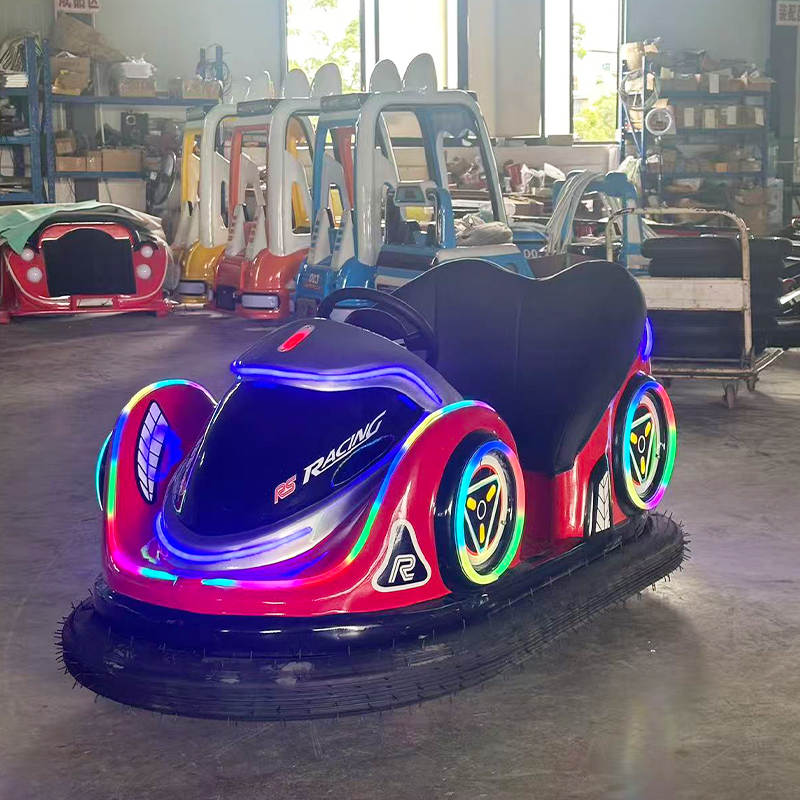
Choosing between a mini bumper car and a standard bumper car involves understanding how space, power, and intended use affect your amusement park or entertainment venue. A mini bumper car offers significant operational advantages for facilities with limited floor space, while standard models deliver higher capacity and longer ride sessions. This guide explores the critical differences between these two ride types to help you make an informed investment decision.

The fundamental difference between a mini bumper car and standard bumper car goes beyond size. A small bumper car is engineered for younger riders and operates in compact arenas, while standard versions accommodate mixed-age audiences and require larger dedicated spaces. Understanding these distinctions helps venue operators optimize revenue per square foot and match ride specifications to target demographics.
Space Requirements and Arena Design
Mini Bumper Car Footprint
A small bumper car arena typically requires 400 to 800 square feet, making it ideal for indoor entertainment centers, shopping malls, and small family parks. The compact bumper car design allows operators to install these rides in multipurpose venues without extensive structural modifications. This flexibility enables venue owners to maximize revenue from limited floor space by combining mini bumper cars with other attractions.
A kids bumper car arena operates efficiently with minimal clearance requirements, usually needing only 8 to 10 feet of vertical space. The smaller turning radius and reduced speed of compact bumper cars eliminate the need for extensive safety perimeter walls, further reducing installation costs and space waste. Operators can reconfigure mini bumper car arenas seasonally or relocate rides between multiple locations without major construction expenses.
Standard Bumper Car Arena Setup
Standard bumper cars demand 1200 to 2500 square feet of dedicated arena space to operate safely and accommodate multiple riders simultaneously. These larger rides require reinforced structural support, specialized electrical infrastructure, and comprehensive safety barriers. Standard bumper car installations typically remain permanent fixtures in amusement parks because relocation involves significant downtime and reconfiguration costs.
The spacious arena design for standard bumper cars allows for creative themed environments, better traffic flow, and reduced wait times during peak hours. Larger venues benefit from the extended operating space because it supports longer ride durations and accommodates family groups seeking simultaneous riding experiences. Standard bumper car arenas also allow operators to implement dynamic obstacle placement and themed decorative elements that enhance guest engagement.
Power Consumption and Operational Costs
Mini Bumper Car Energy Efficiency
A small bumper car operates on significantly lower electrical power, typically consuming 2 to 5 kilowatts during active use. The reduced weight and modest motor specifications make compact bumper cars excellent choices for venues with limited electrical infrastructure or locations where power upgrades would prove prohibitively expensive. Kids bumper car models often use rechargeable battery systems, offering further operational flexibility and independence from constant grid supply.
Battery-powered mini bumper car fleets eliminate daily charging station requirements and reduce ongoing electrical utility costs by 40 to 60 percent compared to hardwired alternatives. Operators benefit from lower maintenance overhead, predictable operating expenses, and reduced environmental impact. The modest power draw allows venue managers to operate mini bumper cars during off-peak hours without straining facility electrical capacity or triggering expensive demand charges.
Standard Bumper Car Power Demands
Standard bumper cars typically require 10 to 20 kilowatts of continuous electrical power, necessitating dedicated circuit breaker capacity and professional electrical installation. The higher power consumption reflects greater motor torque, faster acceleration, and extended operational duration per ride cycle. Venues must budget for potential electrical infrastructure upgrades when installing standard bumper cars in facilities with aging power distribution systems.
The substantial electrical requirements of standard bumper cars generate higher monthly utility bills but enable longer ride sessions, increased passenger throughput, and premium guest experiences. Venues with robust electrical infrastructure can absorb these costs and leverage longer operating hours to maximize revenue potential. Standard bumper car installations justify higher power consumption through increased rider capacity and extended seasonal operation without seasonal power limitations.
Passenger Capacity and Revenue Implications
Mini Bumper Car Throughput
A kids bumper car installation typically accommodates 4 to 8 vehicles operating simultaneously, limiting peak-hour throughput to 100 to 150 riders per hour depending on ride duration. The compact bumper car design prioritizes safety and enjoyment for younger audiences over maximum capacity. Venues maximize revenue not through high throughput but through consistent operation across extended daily schedules and multiple ride cycles throughout the day.
Small bumper car operators achieve profitability by reducing capital investment, minimizing facility overhead, and maintaining high operational uptime across 12 to 16 operating hours daily. The lower cost per installation enables multi-location deployment strategies, where operators place compact bumper cars across multiple venues to distribute revenue generation. This approach proves particularly effective in urban markets where single large-scale attractions cannot justify the real estate expense.
Standard Bumper Car Revenue Model
Standard bumper cars accommodate 8 to 16 vehicles simultaneously, delivering 200 to 400 riders per hour during peak operation periods. The higher capacity directly translates to increased revenue potential and faster return on investment for venues with substantial visitor volume. Standard bumper car operations justify premium ticket pricing because they deliver extended ride experiences and accommodate family groups effectively.
Established amusement parks and large entertainment complexes benefit from standard bumper car installations because existing customer volume, seasonal visitation patterns, and disposable guest spending support premium operating models. The substantial capital investment typically requires annual visitor counts exceeding 50,000 to achieve profitability within five to seven years. Venues must maintain consistent promotional visibility and prime arena placement to justify standard bumper car infrastructure costs.
Age Groups and Target Demographics
Mini Bumper Car User Base
A mini bumper car design prioritizes children aged 3 to 10 years, featuring lower ride heights, reduced acceleration speeds, and comprehensive safety padding. Parents appreciate small bumper car rides because they provide exciting experiences in controlled environments with minimal injury risk. Kids bumper car venues often attract multi-generational family groups where grandparents accompany younger visitors.
The appeal of compact bumper car attractions extends to preschool birthday parties, school group outings, and corporate family events. Marketing strategies for mini bumper cars emphasize safety, age-appropriate thrills, and family bonding opportunities. This demographic focus enables consistent year-round demand regardless of seasonal tourism fluctuations.
Standard Bumper Car Audience
Standard bumper cars accommodate riders aged 8 years through adulthood, supporting mixed-generation experiences and adult recreational enthusiasts. The higher speed capability and aggressive collision dynamics appeal to teenagers and young adults seeking adrenaline-driven entertainment. Standard bumper car venues often attract date-night couples, bachelor parties, and competitive group events.
This broader demographic range enables premium ticket pricing and ancillary revenue opportunities including photo packages, video recordings, and competitive tournament events. Standard bumper car venues typically implement dynamic marketing campaigns targeting multiple audience segments throughout the year, adjusting messaging and promotional timing to maximize seasonal visitation patterns.
FAQ
What space do I need for a mini bumper car installation?
A mini bumper car requires 400 to 800 square feet of floor space with 8 to 10 feet of vertical clearance. This compact footprint makes small bumper car installations suitable for indoor centers, shopping malls, and multipurpose venues. Unlike standard bumper cars, a kids bumper car setup minimizes construction complexity and allows flexible relocation between locations.
How much power does a mini bumper car system consume?
A mini bumper car typically uses 2 to 5 kilowatts during operation, significantly less than standard models requiring 10 to 20 kilowatts. Battery-powered compact bumper car options further reduce electrical dependency and lower monthly utility costs by 40 to 60 percent. This efficiency makes small bumper car installations particularly attractive for venues with limited electrical infrastructure or budget constraints.
Which is more profitable: mini or standard bumper cars?
Profitability depends on venue location and target market. A kids bumper car succeeds in urban centers and small entertainment venues through consistent daily operation and reduced overhead costs. Standard bumper cars generate higher revenue per ride but require substantial initial investment and customer volume exceeding 50,000 annual visitors. Choose mini bumper car installations for limited spaces or smaller venues; select standard models for established parks expecting high seasonal traffic.