
 EN


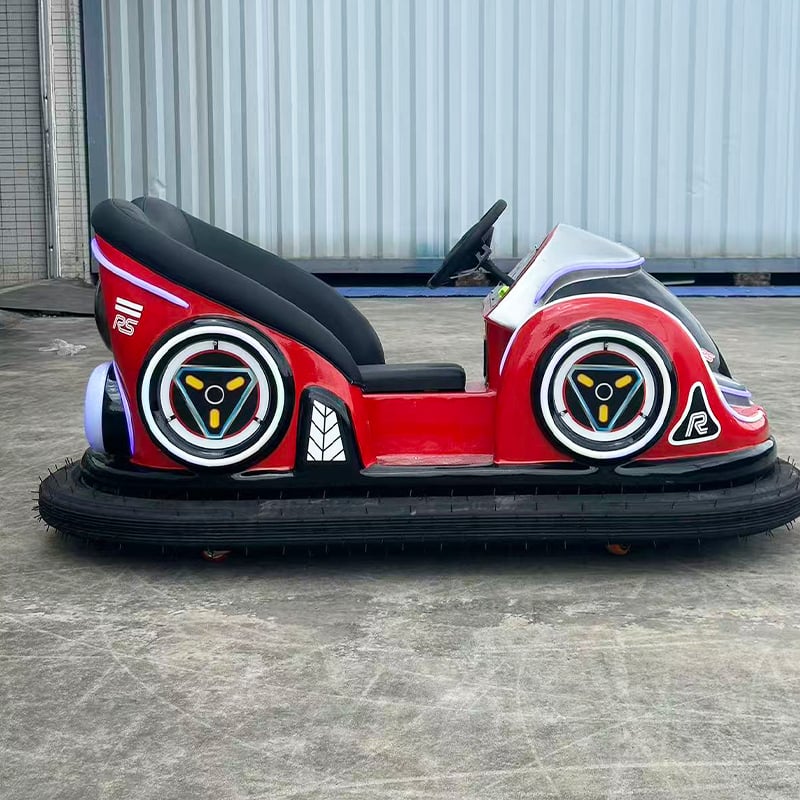
Selecting the right surface for your outdoor bumper car venue is a critical decision that directly impacts operational durability, safety, and long-term maintenance costs. The playing surface beneath your rides must withstand constant impact, weather exposure, and the rigorous demands of daily operation. Two primary options dominate the amusement industry: traditional concrete and epoxy-coated concrete. Each brings distinct advantages and trade-offs that operators must carefully weigh before construction or renovation.
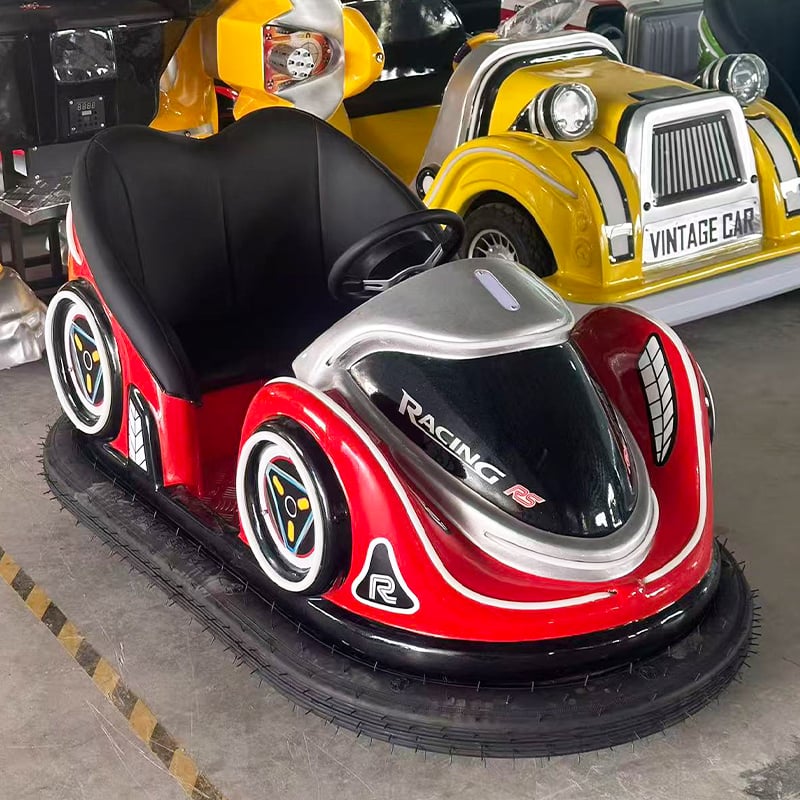
The choice between these surfaces shapes every aspect of your outdoor bumper car ride experience, from initial construction investment to seasonal maintenance protocols. Weatherproof bumper car operations require surfaces that perform consistently across temperature fluctuations, moisture exposure, and UV radiation. Understanding the technical and financial implications of each option ensures your facility remains safe, visually appealing, and cost-effective throughout its operational lifespan.
Concrete Surfaces for Outdoor Bumper Car Installations
Durability and Long-Term Performance
Bare concrete offers proven resilience in outdoor bumper car environments when properly finished and sealed. Standard concrete provides a solid foundation that resists the repetitive bumping, wheel wear, and directional impacts inherent to battery bumper car operations. Concrete absorbs and gradually releases moisture, which can lead to surface spalling and cracking in freeze-thaw climates, particularly during harsh winters when temperature swings accelerate degradation.
Well-maintained concrete typically lasts 10 to 20 years in moderate climates, though weatherproof bumper car venues in extreme conditions may experience shorter useful life. Concrete surfaces require regular pressure washing to remove algae, debris, and accumulated moisture. When cracks and chips appear, patching concrete becomes an ongoing maintenance task that disrupts operations and accumulates expense. The porous nature of bare concrete means it readily absorbs oil residue from battery bumper car charging stations and mechanical fluids, creating stained areas that are difficult to restore.
Installation and Initial Cost
Concrete installation remains the most budget-friendly initial option for outdoor bumper car facilities. Labor and material costs for pouring a properly finished concrete pad typically range lower than epoxy alternatives. However, the total cost equation must account for foundation preparation, reinforcement, drainage systems, and professional finishing. For an outdoor bumper car ride of substantial size, these ancillary costs add meaningful expense. Concrete requires slope grading to ensure proper water drainage, which is essential for preventing pooling and extends surface lifespan in outdoor bumper car applications.
Epoxy-Coated Surfaces for Weatherproof Bumper Car Operations
Protection and Weather Resistance
Epoxy coatings transform concrete into a sealed, non-porous surface specifically engineered to resist moisture penetration and UV degradation central to weatherproof bumper car venues. The resin-based coating creates a barrier that prevents water absorption, dramatically reducing freeze-thaw damage and chemical staining. An outdoor bumper car ride protected by epoxy coating maintains structural integrity far longer than bare concrete, particularly in regions with significant moisture or temperature extremes. The surface resists oil residue from battery bumper car equipment, salt spray in coastal locations, and ozone degradation from sun exposure.
Epoxy-coated surfaces offer superior aesthetic consistency, maintaining color and gloss throughout seasonal weather cycles. The protective layer extends the underlying concrete's lifespan to 20 to 30 years or beyond, effectively doubling the operational window compared to uncoated alternatives. This longevity directly translates to reduced emergency repairs and extended asset value for outdoor bumper car operators managing multiple venues or long-term capital planning.
Application Process and Maintenance Demands
Professional epoxy application requires meticulous surface preparation, including grinding, shot blasting, or acid etching to ensure proper adhesion. The installation process involves multiple coats applied over several days, during which the outdoor bumper car venue remains offline. Weather conditions significantly impact application success; rain, high humidity, or extreme temperatures can compromise coating quality. Most professional installations demand factory-grade equipment and certified applicators, increasing labor costs substantially above concrete-only projects.
Maintenance of epoxy-coated outdoor bumper car surfaces differs from concrete. Regular gentle cleaning with appropriate pH-neutral solutions preserves coating integrity. Harsh pressure washing or abrasive scrubbing can damage the epoxy layer, requiring costly reapplication. Minor chips or peeling demand prompt attention to prevent moisture infiltration beneath the coating. Battery bumper car venues with heavy foot traffic and frequent mechanical work need more aggressive maintenance schedules. However, the simplified cleaning regimen and extended intervals between major repairs offset increased initial expense for many operators.
Surface Selection Criteria for Your Outdoor Bumper Car Venue
Climate Considerations and Regional Factors
Your geographic location fundamentally determines surface suitability for your outdoor bumper car ride. Tropical climates with consistent moisture and UV exposure strongly favor epoxy protection. Northern regions experiencing freeze-thaw cycles benefit significantly from epoxy's moisture-blocking properties, as concrete saturation accelerates seasonal damage. Coastal areas with salt spray and outdoor bumper car venues near pools or water features face heightened corrosion risks best addressed through epoxy coating. Moderate, dry climates allow bare concrete to perform adequately when sealed periodically, making concrete a viable budget option.
Operational Intensity and Revenue Projections
High-traffic outdoor bumper car ride locations justify epoxy investment through reduced downtime and extended surface life. If your weatherproof bumper car facility operates year-round with substantial daily usage, the reliable performance of epoxy coating minimizes emergency closures and repair disruptions. Lower-volume seasonal outdoor bumper car venues may achieve adequate performance with concrete while managing maintenance carefully. Revenue stability, staffing capacity, and maintenance budget allocation influence this decision. Battery bumper car operations with dedicated maintenance teams can manage concrete surfaces effectively; venues lacking in-house expertise benefit from epoxy's durability and lower maintenance sensitivity.
Total Cost of Ownership Analysis
Calculate long-term ownership costs including installation, maintenance labor, repairs, and eventual replacement. Epoxy-coated surfaces typically demonstrate lower total cost of ownership over 15 to 20-year operational spans despite higher initial investment. Concrete requires frequent sealing, patching, and eventual resurfacing, accumulating maintenance expense that often exceeds epoxy's premium. Factor in revenue loss from facility closures during major repairs when comparing options. For outdoor bumper car venues planning operations beyond ten years, epoxy coating typically provides superior financial performance and operational reliability.
FAQ
Can a bare concrete outdoor bumper car surface be converted to epoxy coating later?
Yes, epoxy can be applied to existing concrete outdoor bumper car facilities, though the surface must be thoroughly prepared through grinding and cleaning. Converting an established outdoor bumper car ride typically costs less than new construction but still requires significant preparation and temporary venue closure. Existing wear patterns and damage may require concrete repair before epoxy application, adding time and expense to the retrofit project.
What is the typical lifespan of an epoxy-coated outdoor bumper car surface compared to weatherproof bumper car concrete alternatives?
Epoxy-coated surfaces commonly last 20 to 30 years with proper maintenance, while bare concrete typically endures 10 to 20 years depending on climate. This extended lifespan makes epoxy-coated surfaces particularly attractive for outdoor bumper car venues with long-term operational plans. The actual durability depends heavily on climate, usage intensity, and maintenance consistency.
How frequently does a battery bumper car venue need to maintain or reseal each surface type?
Bare concrete requires resealing every 2 to 3 years and regular patching as needed, while properly applied epoxy coatings need gentle cleaning and inspection but rarely require reapplication if damage is minimal. Battery bumper car operations using concrete should budget for quarterly maintenance tasks, whereas epoxy-coated outdoor bumper car surfaces typically require only basic cleaning protocols and less frequent intervention.
Table of Contents
- Concrete Surfaces for Outdoor Bumper Car Installations
- Epoxy-Coated Surfaces for Weatherproof Bumper Car Operations
- Surface Selection Criteria for Your Outdoor Bumper Car Venue
-
FAQ
- Can a bare concrete outdoor bumper car surface be converted to epoxy coating later?
- What is the typical lifespan of an epoxy-coated outdoor bumper car surface compared to weatherproof bumper car concrete alternatives?
- How frequently does a battery bumper car venue need to maintain or reseal each surface type?