
 EN


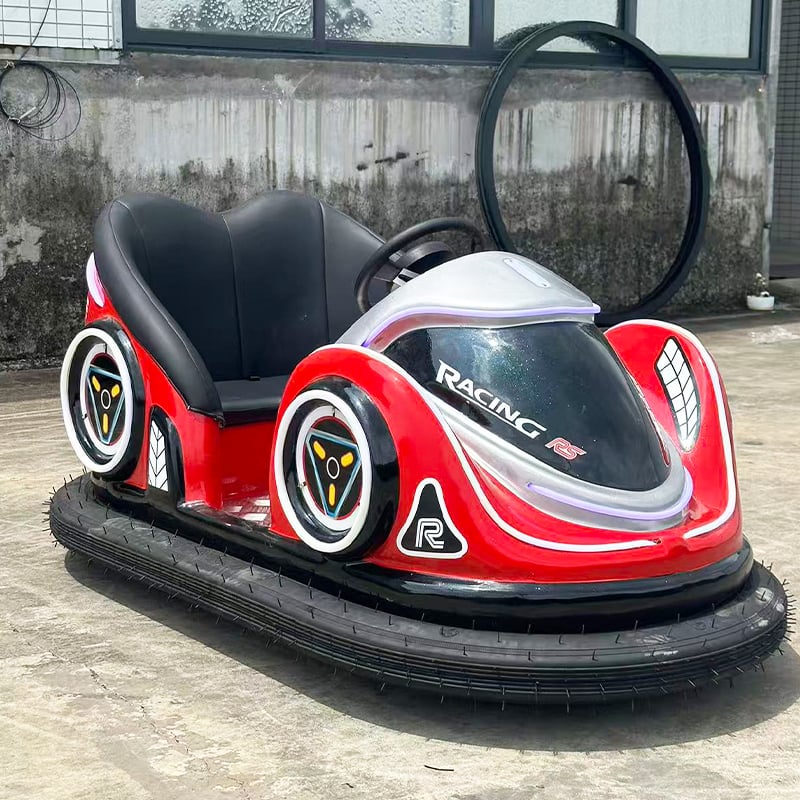
Thermal management is one of the most critical yet often overlooked aspects of operating outdoor bumper cars. When these attractions run in outdoor environments, motors and electrical wiring face intense exposure to ambient heat, direct sunlight, and environmental stressors that can dramatically reduce equipment lifespan and compromise safety. Understanding how heat affects the core components of your outdoor bumper car rink is essential for maintaining operational efficiency and preventing costly downtime.
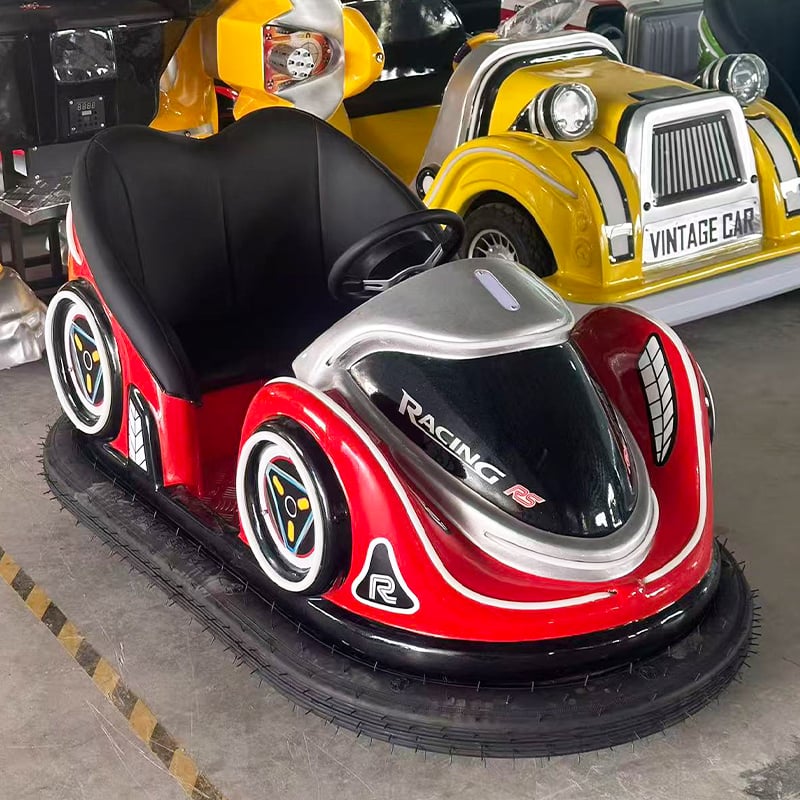
The electrical and mechanical demands placed on a battery bumper car are substantial, especially during peak operating hours when multiple vehicles run simultaneously. Motors generate their own internal heat during operation, and when that internal heat combines with external environmental temperatures, the overall thermal stress on windings, insulation, and bearings increases exponentially. A weatherproof bumper car is engineered to withstand these challenges, but only when proper thermal management practices are consistently applied.
Motor Thermal Stress and Performance Degradation
How Heat Compromises Motor Efficiency
Electric motors in outdoor bumper cars operate under variable loads throughout the day. When ambient temperature rises, the motor's cooling capacity becomes strained. Most modern battery bumper car designs incorporate brushless DC motors that offer better thermal characteristics than older brush-type motors, but they still require active temperature monitoring. Heat causes increased resistance within motor windings, which in turn generates more heat in a compounding cycle known as thermal runaway.
The insulation materials used in motor windings have specific temperature ratings, typically between 40°C and 155°C depending on the insulation class. Once a motor in your outdoor bumper car rink exceeds these ratings, the insulation begins to degrade, leading to potential short circuits and catastrophic failure. This degradation is not always immediately visible, meaning silent damage can accumulate over time.
Bearing and Lubrication Breakdown
Motor bearings rely on lubricants to reduce friction and dissipate heat. In a weatherproof bumper car, the bearings must resist both heat and moisture contamination. Excessive heat causes lubricant viscosity to drop, reducing its protective film strength and increasing bearing wear. Simultaneously, high temperatures accelerate lubricant oxidation, creating sludge that clogs bearing passages. For a battery bumper car operating in direct sunlight during summer months, bearing temperature can easily exceed optimal ranges.
Electrical Wiring and Insulation Deterioration
Insulation Breakdown Under Heat Stress
The wiring harnesses connecting batteries to motors in outdoor bumper cars face dual thermal threats: direct solar heating of the cable jacket and internal heat from current flow. When ambient temperature exceeds 40°C, PVC and other standard insulation materials begin to soften. This softening increases the risk of mechanical damage during vehicle operation, potentially exposing live conductors. A quality weatherproof bumper car uses UV-resistant and high-temperature-rated cable jackets, but these require proper maintenance to remain effective.
The copper conductors inside the wiring also expand and contract with temperature cycles. Over hundreds of expansion and contraction cycles throughout a season, this thermal cycling creates micro-fractures in the wire strands. These fractures increase resistance, generating additional heat and further accelerating degradation. In an outdoor bumper car rink where vehicles operate continuously during hot months, this thermal cycling happens rapidly and repeatedly.
Connection Point Corrosion and Oxidation
Heat accelerates chemical oxidation at electrical connections. Connectors linking batteries to motor controllers, and controllers to motors, are vulnerable to this process. Oxidation creates resistive films that increase impedance at connection points. This increased resistance generates additional heat locally, creating hot spots that can reach dangerous temperatures. In a battery bumper car system, these connection points represent critical failure zones that require regular thermal inspection and preventive cleaning.
Thermal Management Strategies for Optimal Operation
Active Cooling System Design
Modern outdoor bumper car designs increasingly incorporate dedicated cooling systems. These may include fan-forced ventilation around motor compartments, thermally conductive housings that radiate excess heat, or liquid cooling circuits for high-performance systems. The effectiveness of these cooling systems depends on proper maintenance and regular inspection. Dust and debris accumulation on cooling fins in an outdoor bumper car rink reduces cooling efficiency significantly.
Thermal management in a weatherproof bumper car also extends to battery storage. Lithium-ion and lead-acid batteries used in outdoor bumper cars have specific optimal operating temperature ranges. Batteries charged or discharged in extreme heat demonstrate reduced capacity and shortened lifespan. Implementing shaded charging stations with active cooling can extend battery life by 20 to 40 percent compared to uncontrolled outdoor charging.
Scheduled Maintenance and Monitoring Protocols
Regular thermal monitoring using infrared thermography helps operators identify developing problems before catastrophic failure occurs. Operators should establish baseline temperature profiles for each battery bumper car vehicle during normal operation, then track deviations. Temperature increases of 10°C to 15°C above baseline often indicate bearing wear, winding degradation, or connection problems. Early detection allows planned maintenance rather than emergency repairs that interrupt outdoor bumper car rink operations.
Fluid analysis on motors with liquid cooling and regular inspection of motor windings and connections form part of comprehensive thermal management. Cleaning wiring harnesses and resealing connector assemblies annually ensures that a weatherproof bumper car remains truly protected against heat-related electrical failures. Battery terminals should be cleaned and treated with protective compounds to prevent oxidation that accelerates under heat.
FAQ
At what temperature do outdoor bumper car motors typically fail?
Most electric motors used in outdoor bumper cars are rated for continuous operation up to 80°C to 100°C, with brief excursions to 120°C. However, operational failures typically occur when sustained temperatures exceed 90°C because thermal stress on insulation accelerates exponentially beyond this point. The exact failure temperature depends on motor design, insulation class, and duty cycle characteristics of your specific battery bumper car system.
How does an outdoor bumper car rink protect wiring in extreme heat?
A well-designed outdoor bumper car rink uses multiple protection strategies: UV-resistant cable jackets rated for temperatures 20°C above expected ambient maximums, oversized conductors to reduce current-related heating, insulated conduits that provide shade and additional protection, and proper cable routing that minimizes direct sun exposure. Additionally, a weatherproof bumper car installation includes strategically placed shrouds or covers that shade critical connection points while allowing air circulation for cooling.
Can heat damage shorten battery life in a battery bumper car?
Yes, heat is one of the primary factors reducing battery lifespan in a battery bumper car. Elevated temperatures accelerate chemical reactions inside batteries, increasing self-discharge rates and degrading internal materials. Operating a battery bumper car at 25°C extends battery life by approximately 50 percent compared to continuous 35°C operation. This makes thermal management of batteries equally important as thermal management of motors in maintaining long-term operational economics.