
 EN


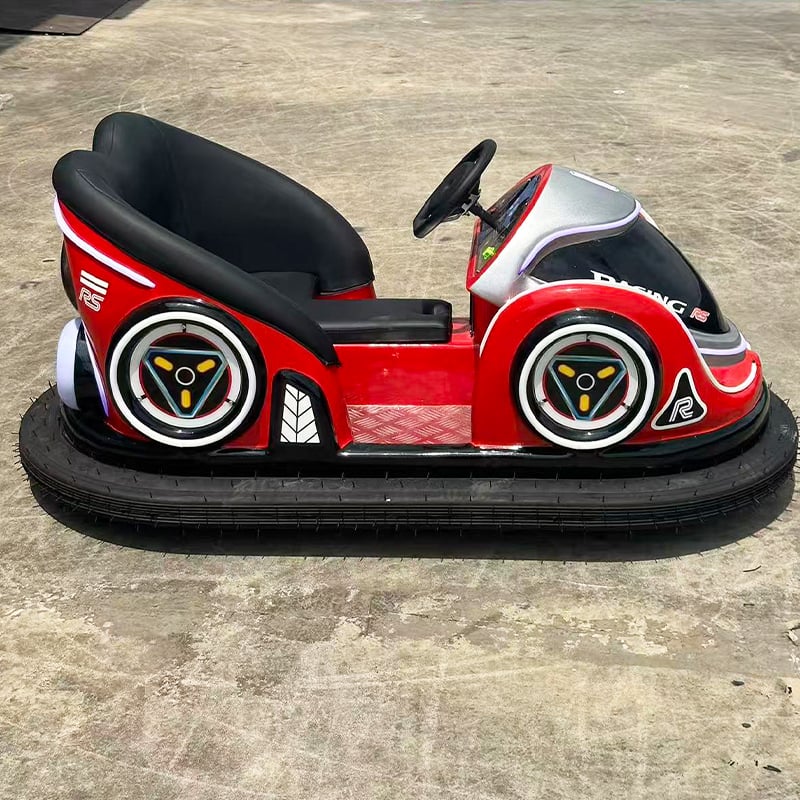
Designing an effective floor drainage system is critical for any outdoor bumper car rink operation. Water accumulation creates safety hazards, accelerates wear on equipment, and compromises the overall guest experience. Proper drainage protects both the structural integrity of your facility and the longevity of your outdoor bumper cars, ensuring a reliable investment that performs consistently season after season.
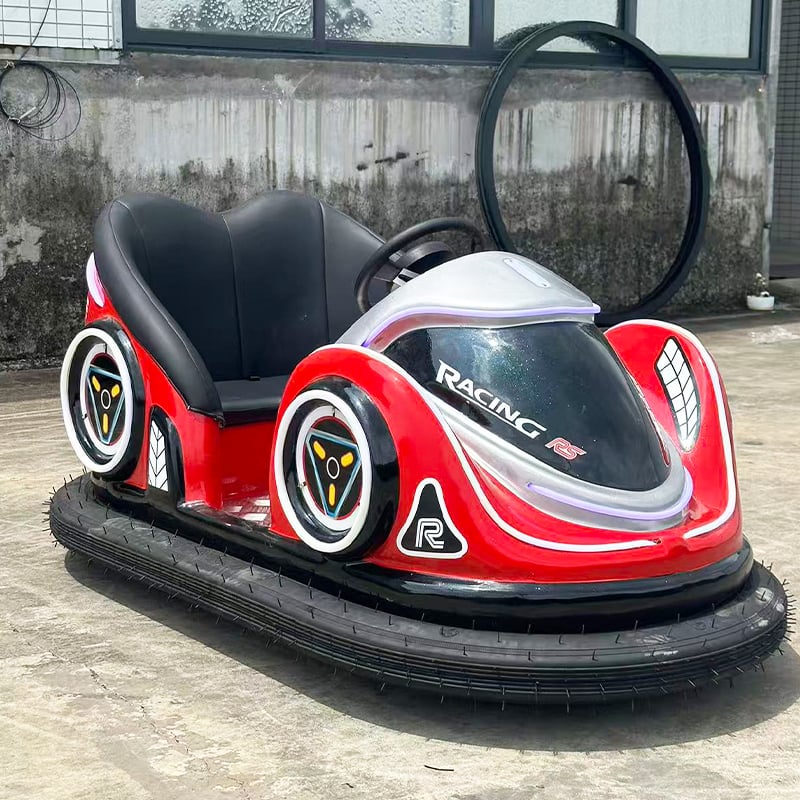
An outdoor bumper car rink faces unique drainage challenges due to rain, splashing water, and seasonal weather variations. Unlike indoor venues, exterior installations must account for slope design, soil composition, and climate patterns. Understanding these factors helps operators choose drainage solutions that prevent flooding, reduce maintenance costs, and maintain safe operating conditions throughout the year.
Understanding Drainage Requirements for Outdoor Bumper Car Rinks
Core Drainage Principles
Every outdoor bumper car rink requires a multi-layered drainage approach. Surface water must drain quickly to prevent pooling on the riding surface, while subsurface drainage manages groundwater and seepage. The parking area and surrounding zones also need attention to redirect runoff away from the main rink. A properly designed weatherproof bumper car facility integrates slope gradients, permeable underlayers, and collection channels that work together to eliminate standing water.
The floor itself should slope gently toward perimeter drains. Most facilities achieve this with a gradient of 1 to 2 percent, which moves water efficiently without creating uncomfortable riding conditions. Beneath the riding surface, a gravel or crushed stone base layer promotes vertical drainage, while a geotextile membrane prevents soil clogging. This layered structure supports both the bumper car traffic and the water management system.
Battery Bumper Car Considerations
Battery bumper car systems require extra drainage protection to prevent water ingress into electrical components. Charging stations must be positioned on elevated platforms outside flood-prone zones. The rink floor itself should keep water away from the charging areas and any power infrastructure. When designing an outdoor bumper car rink with battery-powered rides, ensure that drainage channels route water away from equipment storage, battery charging terminals, and control boxes.
Key Design Elements for Effective Floor Drainage
Slope and Grade Configuration
Proper slope is the foundation of any outdoor bumper car rink drainage system. A minimum 1 percent grade directs water toward collection points, while steeper slopes may cause discomfort for riders. Most operators find that a 1.5 percent slope balances drainage efficiency with rideability. The entire weatherproof bumper car floor should slope uniformly rather than creating dips or high spots that trap water in certain areas.
Edge channels running parallel to the perimeter catch water flowing across the floor. These channels should have a minimum width of 6 inches and a depth proportional to expected rainfall in your region. In high-precipitation areas, wider and deeper channels prevent overflow during heavy storms. Corner and midpoint collection sumps allow water to be pumped or directed away from the facility, protecting both the riding surface and the underlying structure.
Material Selection and Installation
The riding surface material directly affects drainage performance. Permeable asphalt or reinforced concrete allows water to pass through to the base layer, reducing surface pooling on your outdoor bumper car rink. Sealed surfaces create more dramatic slope requirements but offer longer durability. Underneath, crushed limestone or gravel provides excellent drainage rates and helps distribute load evenly across the subgrade. Some operators add a rigid pipe network embedded in the base layer for rapid subsurface drainage, especially in poorly draining soil conditions.
Installation quality determines whether the theoretical design works in practice. Proper compaction of base layers prevents settling that disrupts slopes. Pipe joints must be sealed to prevent sediment intrusion while remaining accessible for maintenance. When installing a battery bumper car charging infrastructure, incorporate drain trenches that slope away from electrical equipment. This separation keeps water away from high-voltage systems and reduces shock hazards.
Maintenance and Weather Resilience
Seasonal Maintenance Protocols
Keeping drainage functional requires consistent seasonal maintenance. Spring inspections should clear debris from channels and verify that outdoor bumper cars move freely across the floor without encountering puddles. Summer storms test system capacity; monitor for overflow and adjust collection rates if needed. Fall leaves and organic matter clog drains, so regular channel cleaning is essential. Winter freeze cycles can damage drainage infrastructure, particularly in regions with freeze-thaw cycling, making weatherproof bumper car facility design even more critical in cold climates.
Regular pumping of subsurface collection systems prevents saturation that weakens the floor structure. A battery bumper car rink with electrical infrastructure demands extra vigilance around charging stations and control areas. Inspect seals and joints annually to catch small leaks before they become major problems. Maintaining proper drainage extends the lifespan of both the facility and the outdoor bumper car equipment, protecting your operational investment.
Weather Resilience and Long-Term Performance
A well-designed outdoor bumper car rink withstands extreme weather events. Heavy rainfall testing occurs naturally; use these occasions to observe flow patterns and identify improvement areas. Installing redundant drainage pathways adds resilience; if primary drains clog, secondary routes keep the floor passable. Weatherproof bumper car operations in regions with variable climate benefit from oversized drainage capacity that handles worst-case scenarios without compromising daily function.
Long-term performance depends on material quality and design foresight. Reinforced concrete with proper air entrainment resists freeze-thaw damage better than standard concrete. Stainless steel drain components resist corrosion in wet environments. A battery bumper car installation with covered charging areas and weather-sealed control boxes protects electrical systems from moisture damage. These investments in resilience reduce emergency repairs, minimize downtime, and ensure your outdoor bumper cars operate reliably throughout their service life.
FAQ
How much slope do outdoor bumper car rinks need for proper drainage?
Most outdoor bumper car rinks function well with a 1 to 1.5 percent slope, creating gentle water movement without affecting rideability. Steeper grades may cause discomfort, while flatter grades allow pooling. Local rainfall intensity, soil drainage capacity, and surface material all influence the ideal slope for your specific site. Consulting with a drainage engineer ensures your outdoor bumper car rink meets both performance and safety standards.
Can battery bumper car systems operate in wet conditions?
Battery bumper car systems designed for outdoor use include waterproof seals and elevated charging infrastructure to prevent water damage. However, proper floor drainage reduces electrical hazards and extends equipment lifespan. Keeping the riding surface dry through effective drainage protects battery connections, reduces corrosion, and ensures safe operation. A weatherproof bumper car facility with excellent drainage allows safe riding even during light rain or after storms.
What is the best material for an outdoor bumper car rink floor?
Permeable asphalt and reinforced concrete are both popular for outdoor bumper car rinks because they balance drainage, durability, and maintenance. Permeable options allow faster water passage to subsurface layers, reducing surface pooling. Sealed surfaces offer longer wear resistance but require steeper slopes. The choice depends on your climate, maintenance capacity, and budget. A weatherproof bumper car installation in a wet climate benefits from permeable surfaces, while drier regions may prioritize sealed concrete for extended durability.