
 EN



Why an Electric Bumper Car Loses Power Halfway Through a Session
When an electric bumper car begins strongly but slows or stops halfway through a session, the cause is usually related to power delivery, heat, operating load, or a developing fault. The timing matters: a decline after sustained use points toward different checks than a car that starts weak or fails immediately.
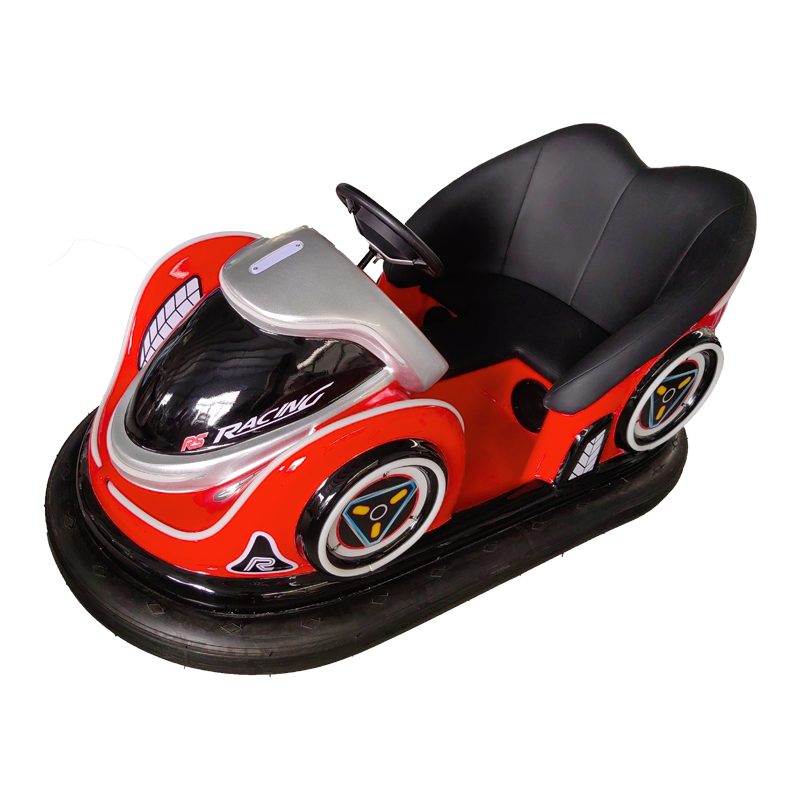
A battery powered bumper car may lose speed as its battery voltage falls under load, but that is not the only possibility. Loose connections, excessive resistance, a hot motor controller, or an unusually demanding bumper car ride can produce similar symptoms. Operators can narrow the cause by noting when power drops, checking the battery and wiring safely, and comparing the affected car with others running under similar conditions.
Common causes of mid-session power loss
Battery voltage and usable capacity
The battery is the first place to investigate when an electric bumper car fades gradually rather than cutting out sharply. A battery powered bumper car can show acceptable voltage before operation yet sag under acceleration, especially when its charge is low, its capacity has declined, or the pack is not fully charged. Measure voltage according to the equipment manual, both at rest and during operation, and compare readings with the specified range.
A single low reading does not prove that the battery is defective. Charging practices, battery age, temperature, and the time between charging and use all affect available energy. If an electric dodgem car repeatedly loses power at a similar point in its operating cycle, record its run time and charging history. A repeatable pattern helps distinguish reduced battery capacity from an isolated charging interruption or another electrical fault.
Resistance, connections, and operating load
A loose terminal, corroded connector, damaged cable, or worn contact can restrict current without causing an immediate shutdown. As resistance creates heat, an electric dodgem car may perform normally at first and then weaken as the connection warms. Inspect accessible wiring only with the vehicle isolated as directed by the manual, and look for discoloration, looseness, damaged insulation, or signs of overheating.
Operating conditions also matter. Repeated acceleration, frequent impacts, high passenger or vehicle load within permitted limits, and a demanding bumper car ride can draw more current than light operation. If several battery powered bumper car units fade together during busy periods, investigate shared charging routines, operating duration, and site conditions before assuming each unit has failed independently.
Practical diagnosis during an operating day
Use the timing and symptoms to narrow the fault
Start by recording whether power declines gradually, cuts out suddenly, or returns after the car rests. Gradual fading often directs attention to battery state or sustained load, while an abrupt interruption may indicate a protection event, intermittent connection, or control fault. Note whether steering, lights, or other electrical functions also change. These observations give a technician useful evidence about an electric bumper car without relying on guesswork.
Compare the affected vehicle with a similar electric dodgem car under comparable conditions. If one unit loses speed while the rest remain consistent, focus on its battery, wiring, motor, and controller. If several units show the same decline, check for a common factor, such as short charging intervals, an incorrect charging procedure, or unusually long operating sessions. Keep the comparison fair by considering each vehicle’s age and recent service history.
Check charging, heat, and protection behavior
Confirm that the battery powered bumper car receives the correct charger and a complete charge cycle, following the equipment manufacturer’s instructions. Check that charging connectors seat properly and that cables have no visible damage. Do not bypass protection devices or substitute charging equipment without authorization. If a charger indicates an error, preserve that information and follow the prescribed troubleshooting steps rather than returning the car to service without a clear diagnosis.
After a power drop, note whether the vehicle recovers following a safe cool-down period. A thermal protection response can limit output when a motor or controller becomes too hot, though a technician should verify the cause. An electric bumper car that repeatedly recovers and then weakens again still needs inspection; temporary recovery does not establish that the fault has cleared. A bumper car ride should be paused if performance becomes unpredictable or safe control is affected.
Maintenance steps that reduce repeat failures
Build a consistent charging and inspection routine
Use a documented charging routine that identifies each battery powered bumper car, its charge status, and any abnormal charger indication. Avoid relying only on a driver’s impression that a battery seems ready. Periodically review operating time and charging records together, because a repeated reduction in run time can reveal battery aging before a unit fails during a busy bumper car ride.
Include connector condition, cable routing, fastener security, and visible heat damage in scheduled inspections. Follow isolation procedures and the service manual, and leave electrical testing or repairs to qualified personnel. A basic record should connect each electric dodgem car to its maintenance findings and service actions. This makes it easier to spot recurring issues, such as one connection that loosens or one battery that no longer holds its expected charge.
Set clear return-to-service criteria
Do not return an electric bumper car to operation solely because it restarts. Confirm that the original symptom is understood, required repairs are complete, and the vehicle passes the checks specified for its model. If voltage, temperature, or controller behavior falls outside the manual’s limits, keep the unit out of service until a qualified technician assesses it. Clear criteria protect operators and customers while preventing a recurring interruption.
For a battery powered bumper car fleet, compare service records across units and review whether run times align with actual operating demand. A consistent maintenance process can help separate normal battery discharge from a fault that requires repair. When staff report that a bumper car ride feels slower, ask when the change began, what other functions were affected, and whether the issue repeats after charging. Specific reports speed diagnosis and support dependable scheduling.
FAQ
Why does an electric bumper car slow down before stopping?
Gradual slowing commonly suggests falling battery voltage under load, reduced battery capacity, or sustained demand. Check charge records and operating conditions, then have a technician test the battery and electrical system against the manual’s limits.
Can charging habits affect a battery powered bumper car?
Yes. Incomplete charging, unsuitable charging equipment, or inconsistent routines can reduce available operating time or make faults harder to identify. Follow the specified charging procedure and log unusual readings for each unit.
When should an electric dodgem car be taken out of service?
Remove it from service when power loss affects control, the fault repeats, wiring shows heat damage, or a protection warning appears. Resume operation only after the prescribed inspection and repair checks are complete.