
 EN



Optimization Strategies for Drift Bumper Car Rink Surface and Wheel Wear
Managing rink surfaces and wheel wear is essential to reliable drift bumper car operations. The right maintenance approach protects the driving surface, helps vehicles handle predictably, and reduces avoidable downtime. Because a drifting bumper car repeatedly slides and pivots, its tires and the rink experience friction patterns that differ from ordinary rolling traffic. Operators who understand that interaction can make practical adjustments before minor wear becomes a safety or budget concern.
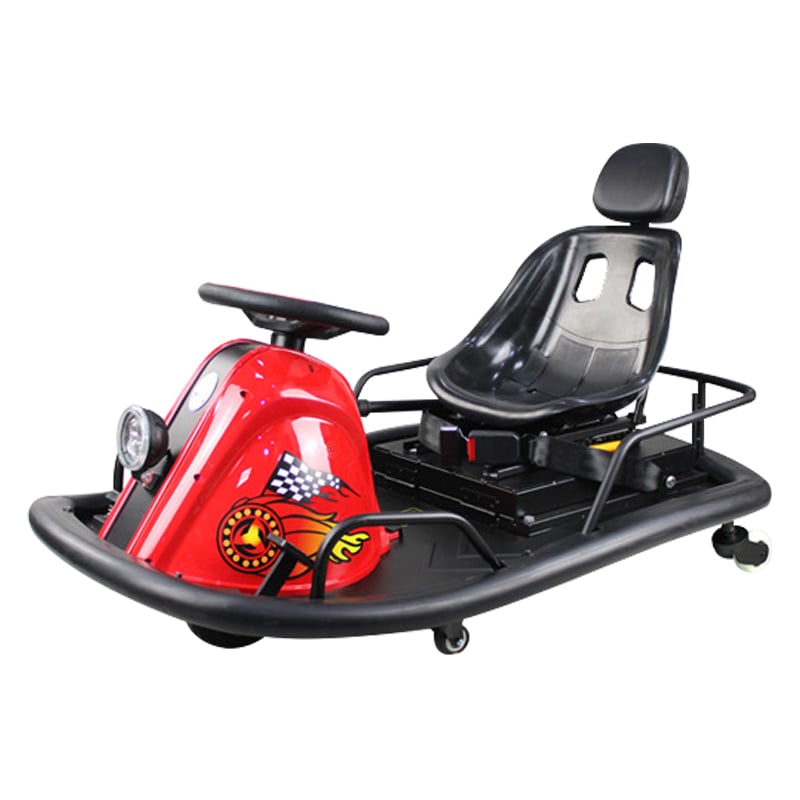
Optimization starts with observing the relationship between surface condition, vehicle setup, and how guests use the attraction. A drift car ride needs enough grip for controlled movement, but excessive friction can increase tire abrasion and stress on the floor. For an electric bumper car, consistent inspections and a planned cleaning routine make it easier to identify changes early. The goal is not to eliminate sliding, but to keep it controlled, repeatable, and compatible with the venue’s maintenance capacity.
Assessing Surface Conditions and Wear Patterns
Match the floor to the operating style
Start by documenting the rink’s material, finish, seams, and any repaired areas. A drift bumper car depends on a smooth, even path so operators can distinguish normal sliding from handling changes caused by floor defects. During a drift car ride, turning zones and stopping areas may receive more concentrated traffic than the center of the rink. Marking those locations on a simple site plan helps maintenance teams focus inspections where repeated movement makes wear more visible.
Surface choice should be evaluated against the vehicle’s intended movement, cleaning method, and expected operating schedule rather than appearance alone. A drifting bumper car may expose small differences in friction because its tires slide laterally through turns. Check whether the electric bumper car tracks consistently across the floor, and compare high-traffic areas with lightly used sections. Avoid assuming that a glossy finish is automatically smoother or safer; the relevant question is whether the surface delivers dependable behavior without creating excessive abrasion.
Read tire and floor evidence together
Inspect tires for uneven tread loss, flat spots, cuts, embedded debris, and differences between vehicles. When several vehicles show similar wear, the rink or operating pattern may be contributing; when one vehicle differs, its wheel condition or alignment deserves closer attention. A drift bumper car can produce localized tire wear during repeated pivots, while a drifting bumper car may leave residue that makes a floor seem more slippery than it is. Record findings by vehicle and location to reveal patterns over time.
Floor marks should also be interpreted carefully. Scuffs can reflect normal use, but persistent streaks, rough patches, loose coatings, or raised joints may signal a maintenance issue. Compare the mark’s location with the drift car ride route and the electric bumper car’s turning behavior. Consistent inspection notes prevent teams from reacting to one unusual session as if it were a trend. They also help separate cleaning needs from repairs that require the attraction to be taken out of service.
Controlling Operational Causes of Wear
Use cleaning and housekeeping consistently
Dust, grit, spilled drinks, and cleaning residue can change friction and accelerate damage. Establish a repeatable sweep and inspection routine before opening, between operating blocks when needed, and after closing. For a drift car ride, use cleaning products and tools approved for the specific floor finish; incompatible chemicals can leave a film or degrade a coating. A clean rink helps the drift bumper car move consistently and makes it easier to spot new debris before it reaches wheels or creates a traction surprise.
Staff should verify that cleaning leaves the floor dry and free of residue before vehicles return to service. A drifting bumper car can make a contaminated patch particularly noticeable because the tires cross it at an angle. Keep access routes clear, remove loose objects promptly, and record recurring contamination by location or time. This information can reveal operational sources such as a nearby entrance or refreshment area. An electric bumper car also benefits from clean wheels and a clear running path, so housekeeping supports both surface care and dependable operation.
Balance guest flow and vehicle condition
Operating patterns influence where wear accumulates. If guests repeatedly circle the same direction or crowd one turning zone, tire and floor wear may concentrate even when total operating hours are reasonable. Rotate vehicle positions where practical, vary permitted traffic patterns, and train attendants to discourage abrupt collisions or prolonged stationary wheel spinning. These controls help a drift bumper car deliver its intended movement without putting all friction on the same tires and floor area.
A drifting bumper car should be checked for wheel damage and loose components according to the equipment’s maintenance guidance, particularly after unusual impacts. Keep a record of operating time, reported handling changes, and repairs rather than relying on memory. When a drift car ride begins to feel inconsistent, pause the affected vehicle and inspect it instead of compensating by changing the whole rink. The electric bumper car fleet can be assessed as a group, but each vehicle still needs an individual condition check.
Building a Practical Maintenance and Review Plan
Set inspection triggers and response steps
Create a baseline while the rink is clean and operating normally. Record surface condition, visible tire wear, and any handling differences reported by attendants. The drift bumper car inspection can then be compared with later checks instead of being judged in isolation. Define clear triggers for closer review, such as a new rough patch, a repeated complaint about one vehicle, or tire damage that could affect controlled movement.
When an issue appears, identify whether it is limited to one vehicle, one floor zone, or a broader operating condition. Remove a vehicle from use when its condition may compromise safe handling, and follow the equipment provider’s procedures for repair. A drift car ride should resume only after the cause is addressed and the affected area has been checked. For a drifting bumper car, a short controlled test by trained staff can confirm that movement is consistent, but it should not replace a proper inspection.
Use records to refine decisions
Review maintenance records at regular intervals and look for recurring locations, vehicle differences, and changes after cleaning or repair. An electric bumper car that repeatedly develops similar tire wear may point to a shared route or setup issue. Compare the timing of those findings with operating hours and guest-flow changes, then adjust cleaning frequency, vehicle rotation, or inspection focus as needed. The drift bumper car program becomes more efficient when decisions follow evidence rather than assumptions.
Keep the review practical: note the condition observed, action taken, and result at the next check. If floor wear continues after housekeeping changes, investigate the material or repair condition; if wear follows one vehicle, inspect its wheels and related components. A drift car ride can remain engaging while maintenance remains controlled, provided surface friction is consistent and problems are handled promptly. This feedback loop helps teams protect the rink, manage replacement needs, and keep a drifting bumper car operating within its intended conditions.
FAQ
What signs suggest a rink surface is increasing wheel wear?
Look for uneven tire loss across vehicles, repeated scuffing in the same zone, or handling changes linked to a particular floor patch. If a drift bumper car and a drifting bumper car both show similar symptoms in one area, inspect the surface and remove debris before assuming the wheels alone are responsible. An electric bumper car should also be checked for vehicle-specific issues.
How often should teams inspect the floor and wheels?
Use a scheduled inspection before operation and add checks when staff notice a new mark, unusual sound, or change in handling. The right frequency depends on traffic and venue conditions. Record findings from each drift car ride session when a concern appears, and inspect the electric bumper car wheels against the venue’s maintenance guidance.
Can cleaning reduce surface and tire problems?
Consistent cleaning removes grit and residue that can change traction or abrade tires, but it cannot correct damaged flooring or worn components. Confirm that the floor is dry before reopening. If a drift bumper car still handles inconsistently, inspect the relevant area and vehicle; a drifting bumper car test should be performed only after any identified issue has been addressed.