
 EN



Smooth Floor vs Textured Floor: Comparing Drift Bumper Car Performance
Floor finish changes how a drift bumper car behaves, even when the vehicle, speed setting, and operator remain the same. A smooth surface generally allows longer, more predictable slides, while a textured floor adds resistance and can make direction changes feel more controlled. For a venue planning a drifting bumper car attraction, the right choice depends on the intended ride experience, site conditions, and operating priorities.
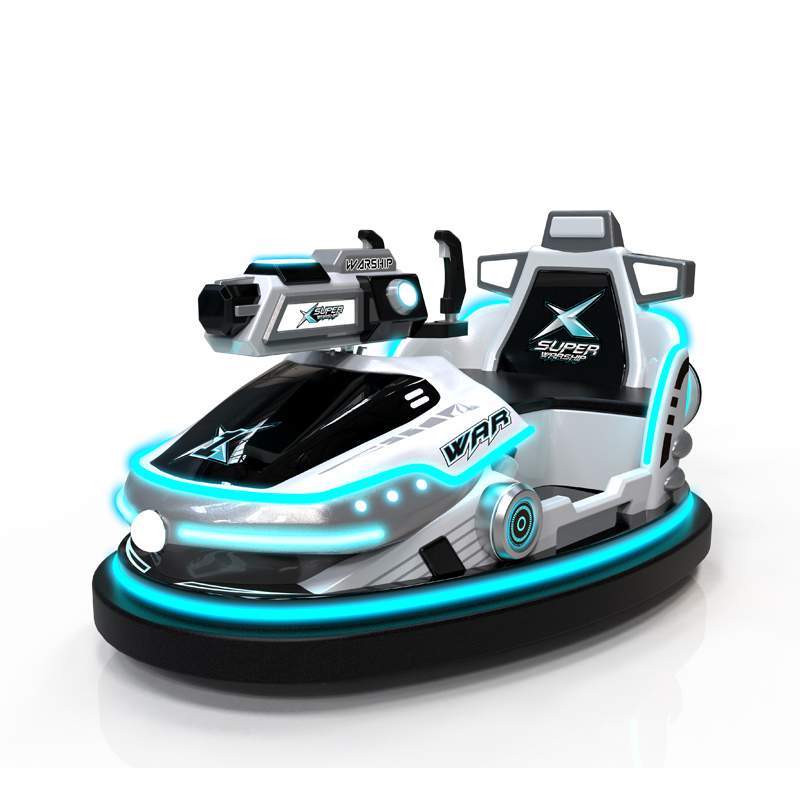
The comparison is not simply about choosing the slipperiest or grippiest floor. A drift car ride depends on the interaction between tires, floor material, layout, vehicle controls, and rider behavior. Operators should assess those factors together, then test the surface under realistic conditions. This approach helps set expectations for an electric bumper car experience without assuming that one floor finish is suitable for every venue.
How Floor Texture Changes Drift Performance
Smooth floors support longer slides
A smooth, clean floor typically offers less resistance at the tire contact patch. That can help a drift bumper car transition into a slide with less steering input, giving riders a more immediate sense of movement. On a drifting bumper car, the result may be a broader arc and a longer sideways glide, although actual behavior also depends on vehicle design and speed settings.
For a drift car ride, consistent smoothness matters more than a polished appearance alone. Dust, moisture, residue, or worn patches can create uneven grip and make one area behave differently from another. Before selecting a smooth finish, a venue should consider cleaning methods and how frequently the operating surface can be inspected. A predictable floor helps staff explain what riders can expect.
Textured floors add tire resistance
A textured surface creates more contact resistance, which may limit how far a drift bumper car slides before its tires regain directional grip. Riders can experience firmer-feeling turns and shorter slides, while the drifting bumper car may respond more gradually to steering changes. The degree of difference depends on texture depth, material, tire compound, and the condition of the floor.
Texture does not automatically mean dependable traction. A floor with inconsistent coating, damaged areas, or accumulated debris can produce unpredictable handling rather than useful control. For an electric bumper car installation, assess the complete surface and not just a small sample. Testing in multiple parts of the arena can reveal localized differences that affect both ride quality and staff confidence.
Comparing Rider Control and Venue Operation
Handling feel and learning curve
A smooth floor can make the drift car ride feel lively because a small change in steering may develop into a visible slide. That can suit an attraction built around drifting, but first-time riders may need a short orientation to understand how the drift bumper car reacts. Clear instructions and conservative initial settings help people adjust before they make sharper turns.
Textured floors can offer a more planted sensation, so riders may find the drifting bumper car easier to guide through a defined route. However, extra resistance can change how quickly the vehicle turns and how much input feels necessary. Operators should trial the electric bumper car with different rider skill levels rather than judging handling from an empty vehicle test.
Neither surface guarantees a particular level of safety or control. Vehicle speed, arena dimensions, spacing, barriers, rider instructions, and staff oversight all contribute to the operating environment. A drift bumper car should be tested at intended settings, and a drifting bumper car should be observed through repeated turns, stops, and direction changes. Documenting those observations makes the floor decision more practical.
Cleaning, wear, and inspection needs
Smooth floors can make residue or moisture especially important because a small change in surface condition may alter grip. A drift car ride area needs a cleaning schedule that removes contaminants without leaving a film. Inspect transition points, joints, and corners as well as the central driving area, since riders and vehicles repeatedly pass through those zones.
Textured floors may conceal dust in grooves or require different cleaning equipment, depending on their finish. Check whether routine maintenance can reach the full surface and whether wear changes the grip over time. For an electric bumper car venue, keep inspection criteria consistent so staff can identify surface changes before they become noticeable to riders.
Choosing the Right Floor for the Attraction
Match the surface to the intended experience
Start by defining what guests should feel. If the main promise is visible, sustained sliding, a smooth floor may better support that drift car ride character. If the attraction prioritizes tighter maneuvers and a more restrained slide, a textured surface may be a better starting point. In either case, verify the choice with the actual drift bumper car model and operating configuration.
Consider the venue audience and session format as well. A drifting bumper car for mixed-age groups may need a handling response that is easy to communicate, while a supervised event for experienced riders may emphasize more expressive movement. Floor selection should support the planned experience without making assumptions that every rider has the same coordination or confidence.
Validate the floor before committing
Before installation or renovation, arrange a practical surface trial where possible. Run the drift bumper car across representative areas at the planned speed, then observe acceleration, turning, sliding, and stopping behavior. Repeat with different loads and driving patterns. A short demonstration can expose issues that a finish description or material sample cannot, including inconsistent grip between sections.
Include cleaning and maintenance staff in the review. Ask whether the proposed surface fits available equipment, inspection routines, and repair access. Test the electric bumper car after cleaning as well as during normal operation, since surface condition can affect handling. Record the conditions and outcomes so decisions are based on repeatable observations rather than a single impression.
Finally, review the whole arena rather than treating the floor as an isolated component. Layout, turning radius, barriers, vehicle spacing, and rider guidance shape how texture is experienced. A well-planned drift car ride combines a suitable finish with clear operating procedures. Reassess the surface if vehicles, settings, or venue use change, because the original comparison may no longer reflect daily operation.
FAQ
Does a smooth floor always create more drifting?
Not always. A smooth surface may help a drift bumper car slide farther, but tire design, speed settings, floor cleanliness, and vehicle control also affect performance. Test the complete setup before drawing conclusions.
Can a textured floor work for an electric bumper car?
Yes, if its grip and maintenance needs suit the venue and vehicle. A textured floor may make a drift car ride feel more restrained, so operators should evaluate handling and cleaning routines under realistic conditions.
Which floor is better for a drifting bumper car attraction?
The better choice depends on the intended ride feel and operational needs. Compare a drifting bumper car on both surface types when possible, then choose the floor that delivers consistent behavior and fits the venue's inspection and maintenance plan.