
 EN



How to Solve Slow Acceleration in an Electric Bumper Car for Kids
Slow acceleration in an electric bumper car for kids usually points to a power, control, wheel, or load issue rather than a single mysterious fault. A kids bumper car that starts sluggishly may still move, but delayed response can affect safe operation and customer confidence. Treat a ride on bumper car as a system: observe when the slowdown occurs, compare it with normal behavior, and inspect basic conditions before replacing parts. A kiddie bumper car should be checked according to its manual and local operating procedures.
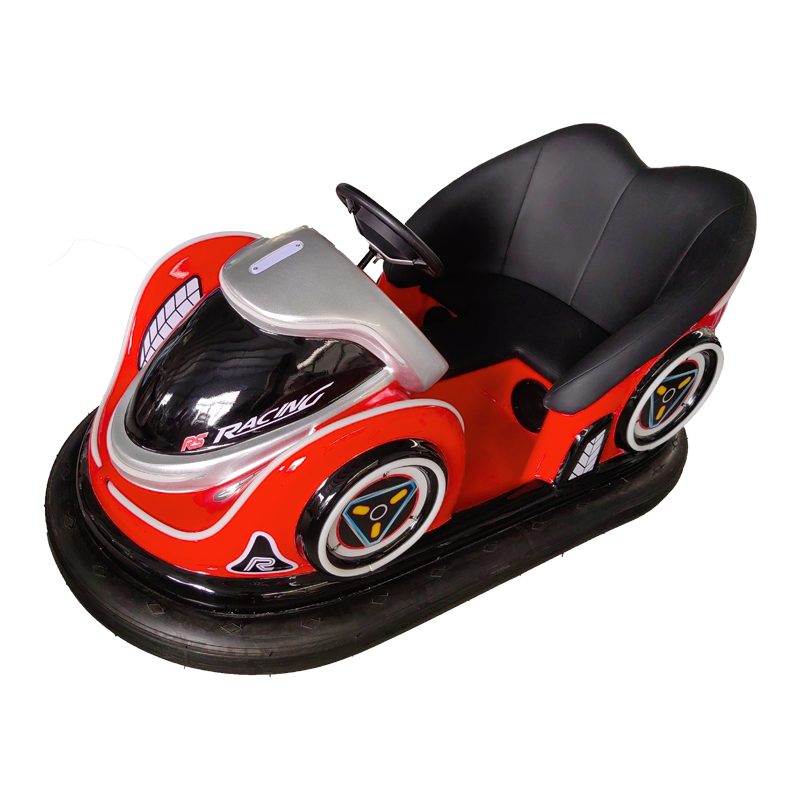
Begin with a controlled test in a clear area, using the same rider, route, and operating conditions where possible. Note whether the electric bumper car for kids accelerates slowly from a stop, loses speed after several minutes, or behaves differently when turning. A kids bumper car may feel weak when its battery is undercharged, while a ride on bumper car can also respond poorly if a wheel drags. Record the symptoms before adjusting anything; a kiddie bumper car should not return to service until the cause is understood.
Start with the power supply and operating conditions
Check battery charge and connections
A depleted battery is a common first check when an electric bumper car for kids feels slow, especially after extended operation or an incomplete charging cycle. Confirm the charger indicates a completed cycle as directed by the equipment manual, then inspect accessible cables and connectors for looseness, corrosion, heat marks, or visible damage. A kids bumper car may lose acceleration when its supply voltage drops under load; the same symptom in a ride on bumper car can become more noticeable during repeated starts. Keep a kiddie bumper car switched off while conducting approved visual checks.
Compare charge, temperature, and duty cycle
If the electric bumper car for kids performs normally when cool but slows after repeated runs, allow the unit to rest and check whether the operating schedule matches its specified duty cycle. Heat can affect electrical components, and frequent starts place more demand on the power system than steady movement. For a kids bumper car, compare the symptom before and after charging, while a ride on bumper car should be tested under consistent conditions. A kiddie bumper car that remains weak after a full charge needs a qualified inspection rather than improvised battery repairs.
Inspect controls, drive components, and rolling resistance
Test the accelerator and safety controls
When power checks do not explain the problem, inspect the accelerator control for sticking, delayed return, or inconsistent response, following the service instructions. A technician can verify whether the control signal changes smoothly without bypassing safety features. On an electric bumper car for kids, damaged wiring or a worn control may limit output; a kids bumper car should be isolated from use if controls behave unpredictably. A ride on bumper car and a kiddie bumper car both require intact emergency stops and interlocks.
Look for drag, obstruction, or uneven movement
With the unit powered down and secured, check for debris, rubbing parts, or visible wheel damage that could create resistance. Do not lift or move a vehicle unless the approved procedure and suitable equipment are available. A ride on bumper car may accelerate poorly if a wheel or drive component binds, and a kids bumper car can show uneven movement when the floor is obstructed. Check that the operating surface is clean and appropriate. If the electric bumper car for kids makes unusual noises or pulls to one side, stop testing and refer the kiddie bumper car to service personnel.
Apply a safe troubleshooting sequence and confirm the repair
Change one condition at a time
A useful troubleshooting sequence separates variables instead of changing several settings at once. First confirm the charge, then inspect approved connections, controls, and rolling components; after each check, repeat a brief test under the same conditions. This approach helps identify whether a kids bumper car improves after charging or whether a mechanical issue remains. For a ride on bumper car, document the symptom, inspection, and result so the next operator can follow the history. Keep the electric bumper car for kids out of service during diagnosis, and avoid adjustment beyond the manual’s stated maintenance scope.
Verify normal response before returning to service
Once a repair or approved adjustment is complete, test acceleration in a restricted area with no passengers, then follow the facility’s inspection process before reopening the unit. Confirm smooth starts, predictable stopping, and consistent response through several short runs without unusual heat, sound, or odor. A kiddie bumper car should not be judged fixed after a single brief movement if the original fault appeared only after extended use. Record the result for the kids bumper car, and schedule technical support if the ride on bumper car remains slow. Persistent faults in an electric bumper car for kids may require component testing by a qualified technician.
FAQ
Can a low battery cause slow acceleration?
Yes. Low charge or a charging problem can reduce available power, so check the charge status and follow the manual. If a kids bumper car remains sluggish after a proper charge, stop relying on repeated charging as the only fix. A ride on bumper car with persistent symptoms needs inspection, and a kiddie bumper car should remain out of operation until safe response is confirmed.
Is it safe to keep operating the car if it accelerates slowly?
Not if the delay affects control, stopping distance, or predictable movement. Remove the electric bumper car for kids from service when performance is inconsistent, controls stick, or unusual sounds occur. Apply the same decision to a kids bumper car or ride on bumper car, and have a qualified person assess the cause before the kiddie bumper car returns to use.
When should a technician be called?
Contact qualified service personnel when basic approved checks do not resolve the fault, wiring looks damaged, a safety control behaves abnormally, or the unit overheats. Do not open sealed electrical components or bypass protections. A technician can evaluate the electric bumper car for kids, identify issues beyond routine inspection, and confirm that the kids bumper car, ride on bumper car, or kiddie bumper car is suitable to operate again.