
 EN
EN



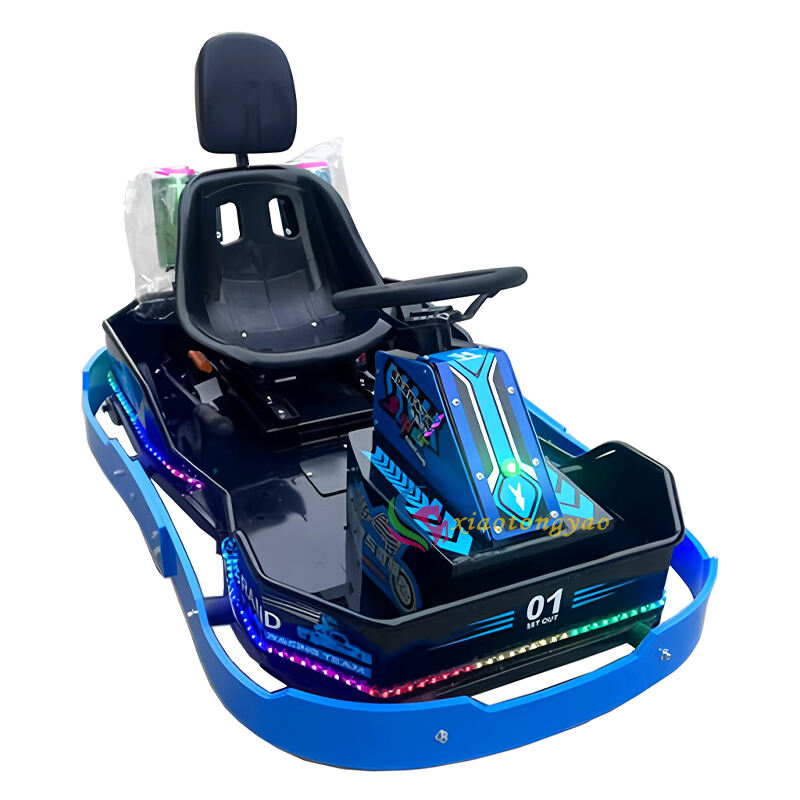
The modern amusement park industry has evolved dramatically over the past few decades, with attractions becoming increasingly sophisticated and diverse. Among all the thrilling rides and entertainment options available, the humble go-cart remains a cornerstone attraction that continues to draw visitors of all ages. These compact racing vehicles offer a unique blend of excitement, accessibility, and interactive entertainment that few other attractions can match. The enduring popularity of go-cart tracks in amusement parks worldwide demonstrates their fundamental importance in creating memorable experiences for guests while generating substantial revenue for park operators.
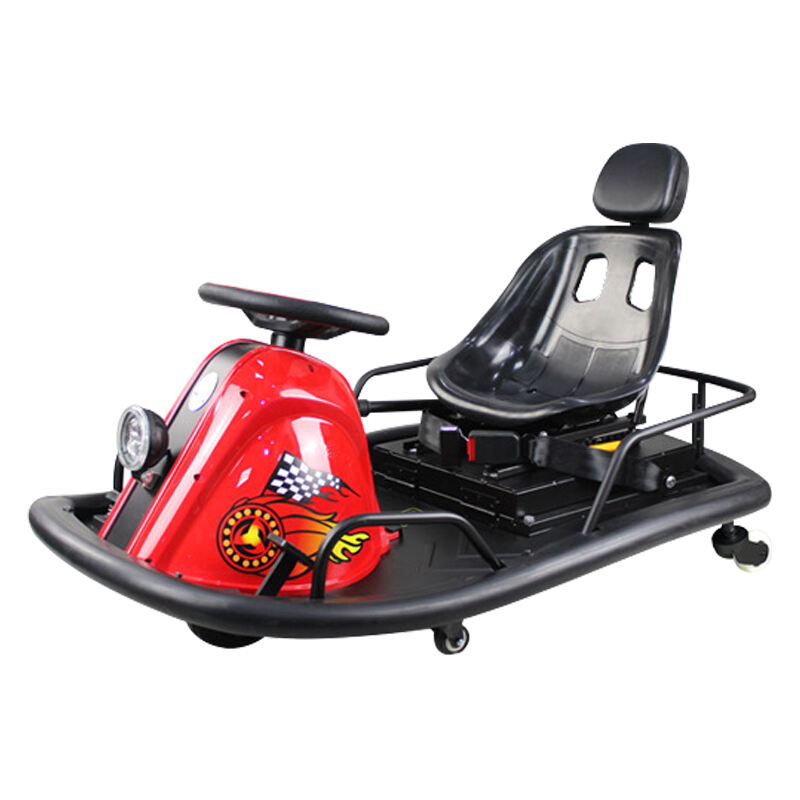
The Universal Appeal of Go-Cart Racing
Cross-Generational Entertainment Value
One of the most compelling aspects of go-cart attractions is their ability to appeal to multiple generations simultaneously. Unlike roller coasters or extreme rides that may be too intense for younger children or older adults, go-cart racing provides an inclusive experience that families can enjoy together. Parents can race alongside their children, creating shared memories while experiencing the thrill of competitive driving in a controlled environment. This universal appeal makes go-cart tracks one of the most frequently utilized attractions in any amusement park setting.
The accessibility factor cannot be overstated when considering the importance of go-cart racing in modern entertainment venues. These vehicles accommodate riders with varying physical abilities and comfort levels, allowing parks to cater to a broader demographic. The adjustable speed settings and safety features built into modern go-cart designs ensure that even nervous first-time riders can participate confidently, while more experienced drivers can still find excitement in the competitive aspects of racing.
Interactive Entertainment Experience
Unlike passive rides where guests simply sit and experience predetermined movements, go-cart racing puts visitors in control of their entertainment experience. This interactive element creates a sense of agency and accomplishment that passive attractions cannot replicate. Drivers must navigate turns, manage speed, and make split-second decisions, engaging both their physical reflexes and mental faculties. The competitive nature of go-cart racing also encourages repeat visits, as guests return to improve their lap times or challenge friends and family members.
The social aspect of go-cart racing extends beyond the immediate family unit to create opportunities for stranger interaction and friendly competition. Many parks organize go-cart tournaments and racing leagues, fostering a sense of community among regular visitors. These events generate additional revenue streams while building customer loyalty and encouraging repeat visitation patterns that benefit the overall park ecosystem.
Economic Benefits for Amusement Park Operations
Revenue Generation and Profitability
From a business perspective, go-cart attractions represent one of the most profitable investments an amusement park can make. The initial infrastructure costs are relatively modest compared to large-scale roller coasters or themed attractions, yet go-cart tracks consistently generate high per-guest revenue through multiple ride sessions. The typical go-cart experience lasts longer than most traditional rides, justifying premium pricing while delivering perceived value to customers. Additionally, the durability and longevity of quality go-cart equipment ensure sustainable returns on investment over many years of operation.
The operational efficiency of go-cart attractions contributes significantly to their economic appeal. These rides require minimal staffing compared to complex mechanical attractions, reducing ongoing labor costs while maintaining high throughput capacity. Modern electric go-cart systems also offer lower maintenance requirements and reduced operational expenses compared to gas-powered alternatives, improving the overall profitability profile of these attractions.
Customer Retention and Loyalty Building
Go-cart racing creates lasting memories that encourage return visits and positive word-of-mouth marketing. The skill-based nature of the activity means that guests often want to return to improve their performance or try different track configurations. This repeat engagement translates directly into increased customer lifetime value and reduced marketing costs for attracting new visitors. Many successful amusement parks report that their go-cart attractions serve as anchor experiences that influence guests' decisions to return to the park.
The photogenic nature of go-cart racing also contributes to organic marketing through social media sharing. Guests frequently capture and share videos or photos of their racing experiences, creating user-generated content that promotes the park to potential visitors within their social networks. This authentic marketing approach proves more effective than traditional advertising methods and costs significantly less to generate.
Safety Standards and Technological Advancements
Modern Safety Features and Regulations
Contemporary go-cart attractions incorporate advanced safety technologies that were unavailable in earlier generations of these rides. Modern go-cart designs feature reinforced bumpers, adjustable seat belts, roll bars, and speed-limiting devices that ensure rider safety without compromising the excitement factor. These safety enhancements have made go-cart racing more acceptable to insurance companies and regulatory bodies, reducing liability concerns for park operators while maintaining the thrilling experience that guests expect.
The implementation of computerized timing systems and track monitoring technology has also improved safety management significantly. These systems can instantly detect accidents or mechanical problems, automatically shutting down sections of track when necessary. Real-time monitoring capabilities allow operators to maintain optimal safety conditions while providing valuable data on track usage patterns and equipment performance metrics.
Electric vs Gas-Powered Options
The transition toward electric go-cart systems represents a significant technological advancement that benefits both operators and guests. Electric go-cart models offer quieter operation, eliminating noise pollution concerns that often limit the placement of tracks within park layouts. These systems also provide more consistent performance characteristics, with instant torque delivery and precise speed control that enhances the racing experience while improving safety margins.
Environmental considerations have become increasingly important in amusement park operations, and electric go-cart systems align perfectly with sustainability initiatives. These vehicles produce zero direct emissions, reducing the environmental impact of park operations while appealing to environmentally conscious guests. The lower maintenance requirements and longer operational life of electric motors also contribute to reduced waste generation and improved resource efficiency.
Track Design and Space Utilization
Flexible Layout Configurations
Modern go-cart track designs offer remarkable flexibility in terms of space utilization and layout configuration options. Unlike traditional amusement rides that require fixed footprints and specific infrastructure requirements, go-cart tracks can be adapted to fit available space constraints while maximizing the entertainment value. Modular track systems allow parks to modify layouts seasonally or create special event configurations that keep the attraction fresh and exciting for regular visitors.
The ability to incorporate go-cart tracks into existing park landscapes without extensive site preparation makes these attractions particularly attractive for expansion projects or seasonal installations. Temporary track configurations can be established for special events or peak season operations, providing additional capacity when needed most while maintaining operational flexibility during slower periods.
Integration with Park Themes and Aesthetics
Contemporary go-cart attractions can be seamlessly integrated into themed environments, enhancing the overall park experience rather than appearing as standalone attractions. Track barriers can be disguised as natural landscaping elements, medieval castle walls, futuristic cityscapes, or any other theme that complements the park's overall design aesthetic. This integration capability allows go-cart tracks to contribute to the immersive environment that modern guests expect from premium entertainment destinations.
The theming possibilities extend to the go-cart vehicles themselves, which can be customized to match specific park themes or seasonal celebrations. This customization capability provides additional marketing opportunities and helps maintain guest interest through periodic updates and special themed events that generate media attention and social sharing.
Competitive Advantages in the Entertainment Market
Differentiation from Digital Entertainment
In an era dominated by digital entertainment options, physical attractions like go-cart racing provide essential real-world experiences that cannot be replicated through screens or virtual reality systems. The physical sensations of acceleration, steering feedback, and competitive interaction with other drivers create memorable experiences that contrast sharply with the passive consumption of digital media. This differentiation becomes increasingly valuable as consumers seek authentic, engaging experiences that provide genuine social interaction and physical activity.
The tactile and kinesthetic elements of go-cart racing engage multiple senses simultaneously, creating rich memory formation that enhances customer satisfaction and encourages return visits. Unlike digital alternatives that can be experienced anywhere, go-cart racing requires physical presence at the park, supporting the overall business model and encouraging spending on additional park amenities.
Weather Independence and Year-Round Operation
Many modern go-cart facilities incorporate covered track sections or indoor configurations that allow year-round operation regardless of weather conditions. This weather independence provides consistent revenue generation opportunities that outdoor-only attractions cannot match. The ability to operate during inclement weather also enhances the overall park value proposition, ensuring that guests have entertainment options available regardless of seasonal or daily weather variations.
Indoor go-cart facilities can be climate-controlled to ensure optimal comfort conditions, extending operating seasons in regions with extreme weather patterns. This capability allows parks to maximize their investment returns while providing reliable entertainment options that meet guest expectations regardless of external conditions.
Future Trends and Innovation Opportunities
Technology Integration and Smart Features
The future of go-cart attractions lies in the integration of smart technologies that enhance the racing experience while providing valuable operational data. GPS tracking systems can provide real-time lap timing and performance analytics, creating gamification opportunities that appeal to competitive drivers. Mobile app integration allows guests to track their progress over multiple visits, compete with friends, and share achievements on social media platforms.
Augmented reality features could transform traditional go-cart racing into immersive adventure experiences, overlaying digital elements onto the physical track environment. These technological enhancements would differentiate go-cart attractions from simpler alternatives while justifying premium pricing structures and attracting tech-savvy younger demographics.
Sustainability and Environmental Considerations
Environmental sustainability will play an increasingly important role in go-cart attraction development, with solar-powered charging stations for electric vehicles and sustainable track materials becoming standard features. Parks that demonstrate environmental responsibility through their go-cart operations can appeal to environmentally conscious consumers while reducing operational costs through energy efficiency improvements.
The development of bio-based materials for track construction and vehicle components represents another opportunity for parks to demonstrate environmental leadership while potentially reducing long-term material costs. These sustainability initiatives also provide marketing opportunities that differentiate participating parks from competitors who have not embraced environmental responsibility.
FAQ
What age groups can safely enjoy go-cart racing in amusement parks
Most modern go-cart attractions accommodate riders from age 6 and up, with many parks offering different vehicle sizes and track configurations for various age groups. Double-seater go-cart options allow younger children to ride with adults, ensuring safety while providing family bonding opportunities. Height and age restrictions vary by park and vehicle type, but the inclusive design of modern go-cart systems ensures broad accessibility across age demographics.
How do electric go-cart systems compare to traditional gas-powered options
Electric go-cart systems offer numerous advantages over gas-powered alternatives, including quieter operation, zero direct emissions, lower maintenance requirements, and more precise speed control. While initial purchase costs may be higher, electric systems typically provide better long-term value through reduced operational expenses and longer service life. The instant torque delivery of electric motors also provides superior acceleration characteristics that enhance the racing experience.
What safety measures are typically implemented in modern go-cart facilities
Contemporary go-cart facilities incorporate multiple safety systems including reinforced bumpers, adjustable safety restraints, speed-limiting devices, and emergency stop capabilities. Track design features such as barriers, run-off areas, and proper signage help prevent accidents, while trained staff members monitor operations continuously. Many facilities also use computerized timing and tracking systems that can automatically detect problems and shut down track sections when necessary.
How much space is typically required for a go-cart track installation
Space requirements for go-cart tracks vary significantly based on desired capacity and layout complexity, but typical installations range from 15000 to 50000 square feet including track surface, safety zones, and support facilities. Modular track systems allow for flexible configurations that can maximize entertainment value within available space constraints. Vertical space requirements are minimal, making go-cart tracks suitable for locations where height restrictions limit other attraction options.