
 EN
EN



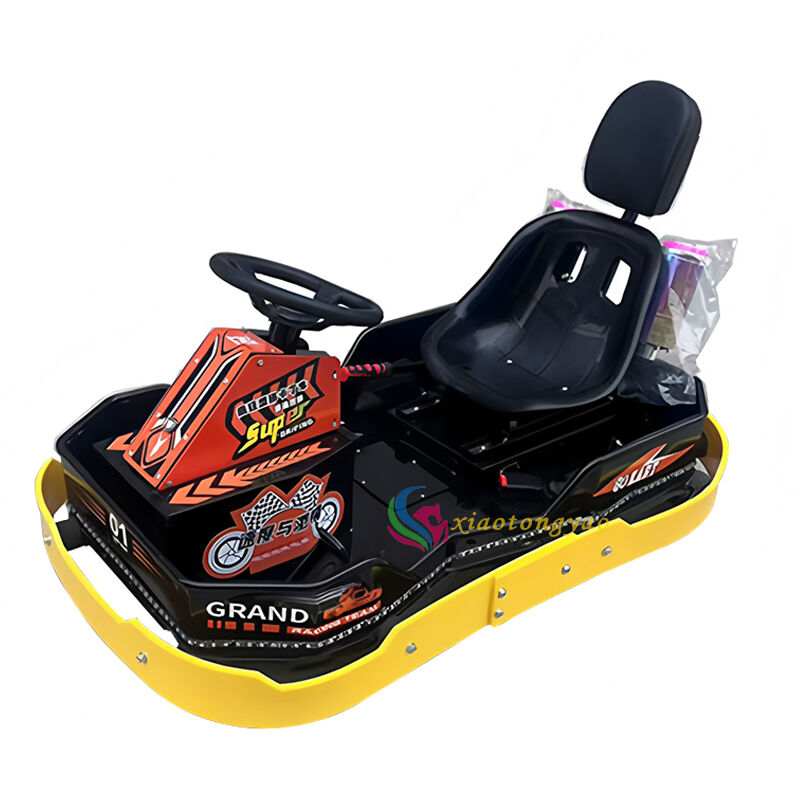
Entertainment venues across the globe are constantly seeking innovative ways to enhance customer experiences and build lasting relationships with their patrons. Among the most effective attractions that have emerged in recent years, the go-cart stands out as a powerful tool for driving repeat visits and fostering customer loyalty. These thrilling racing experiences offer more than just momentary excitement; they create memorable adventures that keep customers coming back for more while generating substantial revenue streams for venue owners.
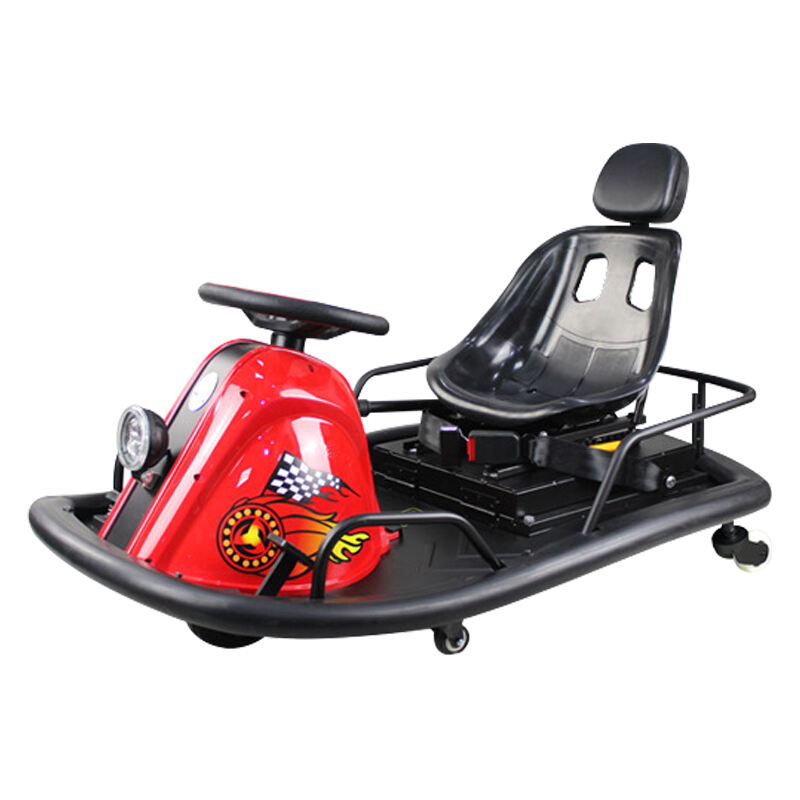
The competitive entertainment industry demands venues to differentiate themselves through unique offerings that appeal to diverse demographics. A well-designed go-cart track transforms any facility into an adrenaline-pumping destination that attracts families, corporate groups, birthday parties, and racing enthusiasts alike. The versatility of go-cart attractions makes them suitable for various venue types, from family entertainment centers and amusement parks to shopping malls and dedicated racing facilities.
Modern go-cart technology has evolved significantly, offering safer, more reliable, and environmentally friendly options that align with contemporary business practices. Electric go-cart models provide consistent performance while reducing operational costs and environmental impact, making them an attractive investment for forward-thinking venue operators who prioritize sustainability alongside profitability.
The Psychology Behind Go-Cart Customer Engagement
Adrenaline and Emotional Connection
The thrill of racing creates powerful emotional experiences that form lasting memories in customers' minds. When patrons experience the excitement of navigating a go-cart around challenging turns and competing against friends or family members, they develop positive associations with your venue that extend far beyond the racing experience itself. These emotional connections serve as psychological anchors that draw customers back repeatedly.
Research in consumer psychology demonstrates that experiences generating moderate levels of excitement and challenge create stronger memory formation than passive entertainment options. A go-cart ride provides the perfect balance of controllable risk and achievable mastery, allowing participants to feel accomplished while experiencing genuine thrills. This combination triggers the release of endorphins and dopamine, creating natural rewards that customers unconsciously seek to replicate through return visits.
Social Bonding Through Competition
Go-cart racing inherently promotes social interaction and friendly competition among participants. Groups often return to venues specifically to recreate the bonding experiences they shared during previous racing sessions. The competitive element encourages participants to improve their lap times and racing techniques, creating personal goals that motivate repeat visits as customers strive to enhance their performance.
Family groups particularly benefit from go-cart experiences that allow multiple generations to participate together on equal footing. Unlike many entertainment options that segregate age groups, a properly designed go-cart track accommodates various skill levels simultaneously, enabling grandparents, parents, and children to share meaningful experiences that strengthen family relationships while building loyalty to your venue.
Revenue Generation Through Go-Cart Operations
Multiple Revenue Streams
Go-cart attractions generate revenue through various channels that extend beyond simple ride fees. Primary income sources include individual race sessions, multi-race packages, group event bookings, birthday party packages, and corporate team-building events. Many venues also offer racing leagues and tournaments that create recurring revenue through membership fees and regular participation.
Ancillary revenue opportunities include go-cart merchandise, racing gear rentals, refreshment sales during events, and photography services for memorable moments. Some venues implement timing systems that allow customers to purchase printed lap time records or digital racing statistics, appealing to competitive participants who value performance tracking and bragging rights.
Premium Experience Packages
Successful venues often develop tiered pricing structures that offer enhanced go-cart experiences at premium rates. VIP packages might include exclusive track access, professional racing instruction, ceremonial podium celebrations, or personalized racing suits. These premium offerings not only increase average transaction values but also create aspirational experiences that encourage customers to upgrade during future visits.
Corporate group packages represent particularly lucrative revenue opportunities, as businesses frequently seek engaging team-building activities that accommodate large groups. A go-cart facility designed for corporate events can command premium pricing while fostering long-term relationships with business clients who book regular events throughout the year.
Operational Advantages of Modern Go-Cart Systems
Safety and Reliability Features
Contemporary go-cart designs prioritize safety through advanced engineering features that minimize risks while maximizing enjoyment. Modern electric go-cart models include speed governors, collision avoidance systems, automatic braking mechanisms, and reinforced safety barriers that protect participants without diminishing the excitement of the racing experience.
Reliable go-cart systems reduce operational disruptions and maintenance costs while ensuring consistent customer experiences. High-quality electric motors provide predictable performance characteristics that allow venue operators to maintain precise control over racing conditions, ensuring fair competition and optimal safety standards across all sessions.
Maintenance and Operational Efficiency
Electric go-cart systems offer significant operational advantages compared to traditional gasoline-powered alternatives. Reduced maintenance requirements, elimination of fuel costs, quieter operation, and zero emissions create more sustainable business models while improving the overall customer experience through cleaner, more pleasant environments.
Advanced go-cart management systems enable real-time monitoring of vehicle performance, battery levels, and usage patterns. This data-driven approach allows operators to optimize scheduling, predict maintenance needs, and maximize track utilization while minimizing unexpected downtime that could disappoint customers and impact revenue generation.
Customer Demographics and Market Appeal
Family Entertainment Segments
Go-cart attractions appeal to exceptionally broad demographic ranges, making them versatile assets for entertainment venues targeting diverse customer bases. Families with children aged eight and above represent core customer segments, as go-cart racing provides age-appropriate excitement that accommodates varying skill levels within family groups.
The multigenerational appeal of go-cart racing creates opportunities for venues to capture multiple family members simultaneously, increasing per-visit revenue while building stronger emotional connections with entire family units. Parents often become regular customers as they seek activities that genuinely engage their children while providing entertainment value for adults.
Corporate and Group Markets
Corporate team-building events represent high-value customer segments that frequently book go-cart experiences for employee engagement activities. These groups typically book during off-peak hours, helping venues optimize capacity utilization while generating substantial revenue from large group bookings that include multiple participants.
Youth organizations, sports teams, and social clubs also constitute important customer segments for go-cart facilities. These groups often establish regular booking patterns for celebrations, fundraising events, and recreational activities that provide predictable revenue streams for venue operators who cultivate relationships with organizational leaders.
Marketing Strategies for Go-Cart Attractions
Digital Marketing and Social Media
Effective go-cart marketing leverages the inherently visual and shareable nature of racing experiences through strategic social media campaigns. Action photography and video content showcasing exciting racing moments create compelling marketing materials that encourage social sharing and word-of-mouth promotion among target demographics.
User-generated content campaigns encourage customers to share their go-cart experiences on social platforms, creating authentic testimonials that build credibility while expanding marketing reach through customer networks. Contest promotions featuring racing challenges or lap time competitions generate engagement while incentivizing repeat visits from participants seeking to improve their performance.
Community Engagement and Partnerships
Strategic partnerships with local schools, youth organizations, and community groups create opportunities to introduce go-cart experiences to new customer segments while building positive community relationships. Educational programs focusing on STEM concepts related to racing technology can position venues as valuable community resources beyond entertainment providers.
Seasonal promotional campaigns aligned with holidays, school breaks, and local events help venues capitalize on peak demand periods while maintaining customer engagement during slower seasons. Limited-time offers and exclusive experiences create urgency that motivates immediate bookings while rewarding loyal customers with special access to premium go-cart experiences.
Technology Integration and Future Trends
Digital Enhancement Systems
Advanced timing and scoring systems transform go-cart experiences into data-rich engagements that appeal to competitive participants while providing valuable customer insights for venue operators. Digital leaderboards, performance analytics, and progress tracking create gamification elements that encourage repeat visits as customers strive to improve their racing statistics.
Mobile applications connected to go-cart systems enable customers to book sessions, track performance history, and participate in virtual racing leagues that extend engagement beyond physical visits. These digital touchpoints create additional opportunities for customer communication while gathering behavioral data that informs marketing strategies and operational improvements.
Innovation and Competitive Differentiation
Emerging go-cart technologies include augmented reality features, customizable racing environments, and interactive track elements that respond to driver actions. These innovations create unique selling propositions that differentiate venues in competitive markets while justifying premium pricing for enhanced experiences.
Virtual racing simulators integrated with physical go-cart tracks offer hybrid experiences that combine digital and real-world elements. These systems allow venues to extend operating hours through simulator sessions while providing year-round entertainment options regardless of weather conditions or seasonal factors that might impact outdoor racing activities.
FAQ
How much space is required for a go-cart track installation
A basic go-cart track typically requires a minimum of 8,000 to 12,000 square feet for safe operation, though larger spaces allow for more complex track designs that enhance the racing experience. The specific space requirements depend on the intended capacity, track complexity, and safety buffer zones needed around the racing surface. Indoor installations may require additional considerations for ventilation and ceiling height to accommodate safety barriers and proper air circulation.
What are the typical operational costs for maintaining a go-cart facility
Operational costs for go-cart facilities include regular maintenance, insurance, staff wages, utilities, and equipment replacement reserves. Electric go-cart systems generally have lower ongoing costs compared to gasoline-powered alternatives, with reduced fuel expenses, minimal maintenance requirements, and longer equipment lifespans. Monthly operational costs typically range from $5,000 to $15,000 depending on facility size, operating hours, and local market conditions.
How do go-cart attractions compare to other entertainment options for customer retention
Go-cart attractions consistently demonstrate higher customer retention rates compared to passive entertainment options due to their interactive nature and competitive elements. The physical engagement and skill development aspects create stronger emotional connections that encourage repeat visits, while the social competitive environment fosters group bookings and word-of-mouth referrals that expand the customer base organically.
What safety certifications and insurance requirements apply to go-cart operations
Go-cart facilities must comply with local safety regulations, obtain appropriate business insurance coverage, and implement comprehensive safety protocols for customer protection. Requirements vary by jurisdiction but typically include equipment inspections, staff training certifications, emergency response procedures, and liability insurance coverage. Working with experienced go-cart suppliers ensures compliance with industry safety standards and regulatory requirements specific to your operating location.
Table of Contents
- The Psychology Behind Go-Cart Customer Engagement
- Revenue Generation Through Go-Cart Operations
- Operational Advantages of Modern Go-Cart Systems
- Customer Demographics and Market Appeal
- Marketing Strategies for Go-Cart Attractions
- Technology Integration and Future Trends
-
FAQ
- How much space is required for a go-cart track installation
- What are the typical operational costs for maintaining a go-cart facility
- How do go-cart attractions compare to other entertainment options for customer retention
- What safety certifications and insurance requirements apply to go-cart operations