
 EN
EN



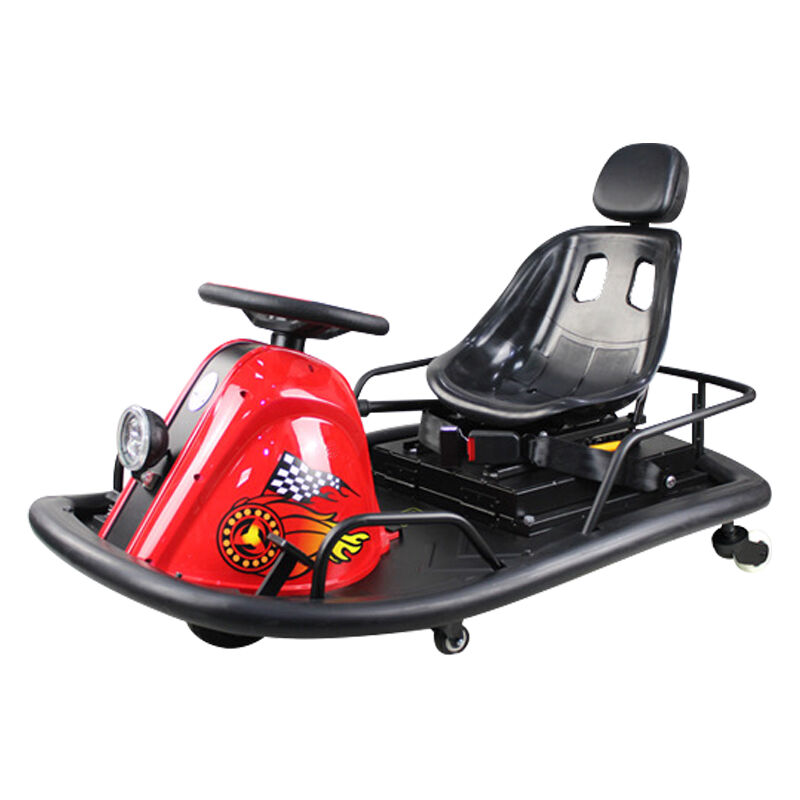
Investing in recreational infrastructure has become increasingly important for businesses and communities seeking to attract families and thrill-seekers alike. Among the most popular attractions, go-cart tracks represent a significant opportunity for entrepreneurs and facility owners to generate substantial revenue while providing entertainment for diverse age groups. These high-energy racing circuits offer unique advantages that extend far beyond simple amusement, creating lasting value for investors who understand the market dynamics and operational requirements of successful karting facilities.
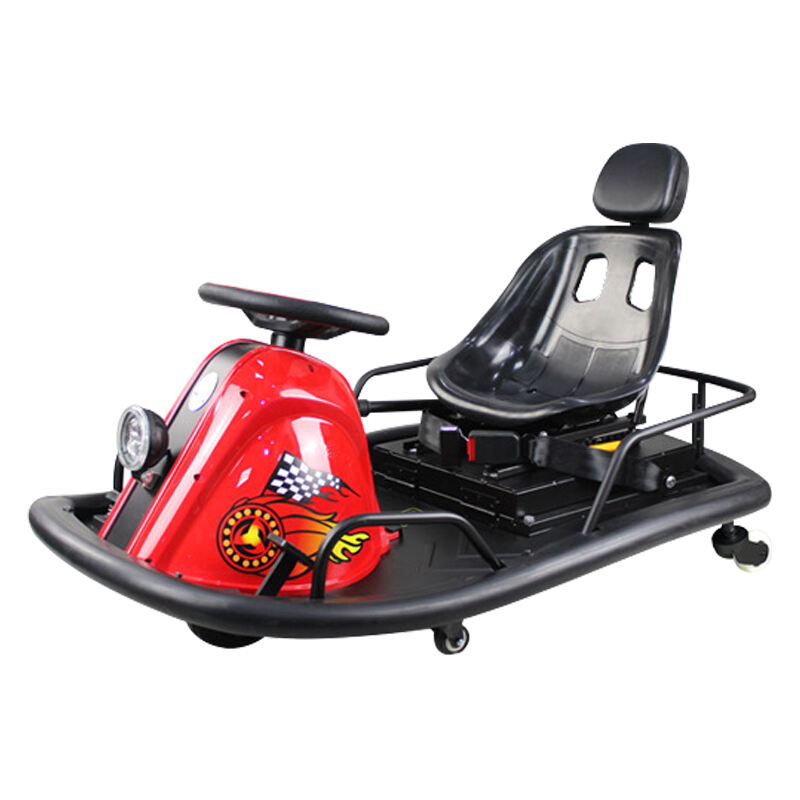
Financial Returns and Revenue Generation
Multiple Revenue Streams
Go-cart tracks provide numerous opportunities for income generation that extend beyond basic track rentals. Successful facilities typically incorporate birthday party packages, corporate team-building events, racing leagues, and private group bookings to maximize their earning potential. The versatility of go-cart operations allows owners to adapt their pricing strategies based on seasonal demand, special events, and local market conditions. Many established tracks report that these additional services can account for up to sixty percent of their total annual revenue, demonstrating the importance of diversified income streams in the karting industry.
Track operators frequently develop membership programs and loyalty systems that encourage repeat visits while providing predictable monthly income. These programs often include discounted rates for frequent visitors, exclusive access to special events, and priority booking privileges that enhance customer retention rates. The subscription-based model has proven particularly effective for indoor go-cart facilities that operate year-round, as it provides stable cash flow during traditionally slower periods and helps offset the initial capital investment required for track construction and equipment purchases.
Return on Investment Timeline
Industry analysis indicates that well-managed go-cart tracks typically achieve positive cash flow within eighteen to twenty-four months of opening, depending on location, initial investment, and marketing effectiveness. The relatively quick payback period makes karting facilities attractive investments compared to other entertainment venues that may require three to five years to reach profitability. Factors influencing the return timeline include track design efficiency, equipment selection, staffing costs, and the ability to maintain consistent customer traffic throughout different seasons and economic conditions.
Successful track owners often report annual profit margins ranging from twenty-five to forty percent once their operations reach maturity, provided they maintain proper equipment maintenance schedules and implement effective cost control measures. The scalability of go-cart operations means that established facilities can often expand their offerings with additional tracks, upgraded vehicles, or complementary attractions without proportional increases in overhead costs, further improving their long-term financial performance and market position within the entertainment industry.
Market Appeal and Customer Demographics
Broad Age Range Attraction
The universal appeal of go-cart racing creates opportunities to serve customers across multiple demographic segments, from young children experiencing their first driving adventure to adults seeking competitive recreation. Modern track facilities typically accommodate drivers as young as six years old with specially designed junior karts, while also providing high-performance vehicles for experienced racers and competitive leagues. This broad market appeal enables operators to maintain consistent revenue throughout the day, as different age groups tend to visit during various time periods, optimizing track utilization and maximizing daily earnings potential.
Family entertainment represents a particularly lucrative segment within the karting market, as parents frequently accompany children for racing sessions and often participate themselves. The shared experience aspect of go-cart racing creates memorable moments that encourage repeat visits and positive word-of-mouth marketing, reducing customer acquisition costs while building a loyal customer base. Many facilities report that family groups generate higher average transaction values due to multiple participants, food and beverage purchases, and extended visit durations compared to individual customers.
Corporate and Group Events
Corporate team-building activities have emerged as a significant revenue driver for many go-cart facilities, as companies increasingly seek engaging alternatives to traditional conference room meetings and networking events. The competitive nature of kart racing provides an ideal environment for building camaraderie among employees while offering management teams opportunities to observe leadership dynamics and interpersonal skills in action. Corporate bookings typically command premium pricing and often include catering services, private track access, and customized event packages that can generate substantial profit margins for track operators.
Birthday parties and special celebrations represent another consistent revenue source, particularly for indoor facilities that can accommodate events regardless of weather conditions. The convenience of having entertainment, food service, and party coordination handled by a single venue appeals to busy parents and event organizers who value comprehensive service packages. These celebrations often result in new customer acquisitions as party guests experience the facility for the first time and return for future visits with their own families and friends.
Operational Advantages and Efficiency
Scalable Business Model
The operational structure of go-cart tracks allows for efficient scaling as demand increases, making them adaptable investments that can grow with their markets. Unlike many entertainment businesses that require proportional increases in staff and overhead costs, successful karting facilities can often handle increased customer volume through optimized scheduling systems and streamlined operations procedures. The standardized nature of go-cart racing sessions enables operators to predict staffing needs, maintenance schedules, and resource requirements with greater accuracy than many other recreational businesses.
Technology integration has revolutionized track operations, with modern timing systems, automated scoring, and digital payment processing reducing labor costs while enhancing the customer experience. Many facilities now employ electronic waiver systems, online booking platforms, and mobile applications that allow customers to reserve track time, pay for services, and receive real-time race results without requiring extensive staff interaction. These technological improvements not only reduce operational costs but also provide valuable customer data that can inform marketing strategies and operational decisions.
Equipment Longevity and Maintenance
Modern go-cart vehicles are engineered for durability and extended operational life, with many electric models capable of operating for thousands of hours with minimal maintenance requirements. The shift toward electric karting has reduced ongoing operational costs by eliminating fuel expenses, reducing noise pollution, and minimizing emission-related regulatory compliance issues that can affect outdoor facilities. Electric go-cart systems also provide more consistent performance characteristics and require less specialized mechanical knowledge for basic maintenance, making them accessible to a broader range of potential operators.
Preventive maintenance programs help ensure optimal vehicle performance while extending equipment lifespan, protecting the substantial initial investment in karting fleets. Regular inspection schedules, battery management systems, and systematic replacement of wear components can maintain vehicle reliability and safety standards while minimizing unexpected repair costs and operational disruptions. Many successful track operators develop relationships with equipment manufacturers and local service providers to ensure rapid response times for maintenance needs and parts availability.
Location Flexibility and Development Options
Indoor and Outdoor Configurations
The versatility of go-cart track design allows investors to adapt their facilities to available real estate and local climate conditions, creating opportunities in diverse geographic markets. Indoor tracks provide year-round operation capabilities and weather independence, making them particularly attractive in regions with harsh winters or frequent precipitation that could limit outdoor activities. These climate-controlled environments also enable operators to host events during traditionally slow seasons for outdoor entertainment venues, maintaining consistent revenue streams regardless of external weather conditions.
Outdoor go-cart facilities often require lower initial construction costs and can accommodate larger track layouts that provide more diverse racing experiences for customers. The natural setting of outdoor tracks appeals to many racing enthusiasts who prefer the authentic feel of outdoor karting, while also allowing for easier expansion and modification of track configurations over time. Many outdoor facilities successfully operate seasonal schedules that align with local tourism patterns and school calendar breaks, maximizing profitability during peak periods while minimizing fixed costs during slower months.
Urban and Suburban Market Penetration
The compact footprint requirements of modern go-cart tracks make them suitable for urban entertainment districts where space constraints might prohibit other types of recreational facilities. Multi-level track designs and creative layout solutions enable operators to maximize the racing experience within limited square footage, making karting facilities viable in high-rent urban locations where customer density and spending power can support premium pricing strategies. Urban tracks often benefit from public transportation accessibility and foot traffic from adjacent businesses and attractions.
Suburban locations offer advantages in terms of parking availability, lower real estate costs, and proximity to family-oriented demographic segments that represent core customer bases for go-cart facilities. The suburban market typically provides opportunities for larger facility development, including combination entertainment centers that integrate karting with arcade games, laser tag, mini-golf, and food service operations. These comprehensive entertainment destinations can capture larger market shares and extend average customer visit durations, resulting in higher per-visit revenue and improved customer satisfaction scores.
Safety Standards and Insurance Considerations
Modern Safety Technology
Contemporary go-cart facilities incorporate advanced safety systems that protect both operators and customers while minimizing liability exposure and insurance costs. Electronic speed control systems, automatic braking technology, and collision detection sensors have significantly reduced accident rates and injury severity compared to older karting equipment. These safety improvements not only protect participants but also enhance the overall customer experience by allowing drivers of varying skill levels to compete safely on the same track surface.
Comprehensive safety protocols, staff training programs, and regular equipment inspections help maintain industry safety standards while demonstrating due diligence to insurance providers and regulatory authorities. Many successful track operators implement safety orientation programs for new customers, establish clear operational guidelines for different age groups, and maintain detailed incident reporting systems that support their safety records and insurance claims management. The proactive approach to safety management often results in lower insurance premiums and reduced legal exposure over time.
Regulatory Compliance Benefits
The entertainment industry faces increasing regulatory scrutiny regarding customer safety, accessibility compliance, and environmental impact, areas where modern go-cart facilities often excel compared to older recreational attractions. Electric karting systems eliminate emissions concerns while reducing noise pollution that might limit operational hours or location options in densely populated areas. The predictable and controlled nature of go-cart operations makes regulatory compliance more manageable than many other entertainment businesses that involve variable conditions or outdoor activities.
Americans with Disabilities Act compliance has become increasingly important for entertainment facilities, and modern go-cart track designs can accommodate accessibility requirements through specialized vehicle modifications and facility layout considerations. Many operators find that inclusive design approaches not only meet legal requirements but also expand their potential customer base by welcoming participants with mobility challenges who might be excluded from other recreational activities. This inclusive approach often generates positive community relationships and marketing opportunities that benefit long-term business development.
FAQ
What is the typical initial investment required for a go-cart track facility
Initial investment costs for go-cart tracks vary significantly based on location, size, and facility type, typically ranging from two hundred thousand to over one million dollars. Indoor facilities generally require higher upfront costs due to building construction or renovation requirements, while outdoor tracks may have lower initial expenses but potentially higher ongoing maintenance costs. The investment includes track construction, safety barriers, timing systems, vehicle fleet, facility infrastructure, and working capital for initial operations and marketing efforts.
How do weather conditions affect go-cart track profitability
Weather impact depends largely on facility design and geographic location, with indoor tracks maintaining consistent operations regardless of conditions while outdoor facilities may experience seasonal revenue fluctuations. Many successful outdoor operators implement covering systems for portions of their tracks or develop alternative revenue streams during adverse weather periods. Climate considerations should factor into business planning, with some operators finding that moderate weather interruptions can actually increase customer appreciation and loyalty when operations resume.
What maintenance requirements should investors expect for go-cart equipment
Regular maintenance schedules typically include daily safety inspections, weekly battery servicing for electric vehicles, and monthly comprehensive system checks to ensure optimal performance and safety compliance. Most modern go-cart fleets require replacement of major components every two to three years, depending on usage intensity and maintenance quality. Establishing relationships with equipment suppliers and local service providers helps minimize maintenance costs and operational downtime while ensuring consistent vehicle performance for customers.
How can go-cart tracks differentiate themselves in competitive markets
Successful differentiation strategies often focus on unique track layouts, specialized vehicle options, comprehensive customer service, and innovative programming such as racing leagues, themed events, and educational programs. Technology integration through mobile applications, social media engagement, and electronic timing systems can enhance the customer experience while providing operational efficiencies. Many operators find success by positioning their facilities as complete entertainment destinations rather than simple karting venues, incorporating food service, party facilities, and complementary attractions that extend visit durations and increase spending per customer.