
 EN
EN



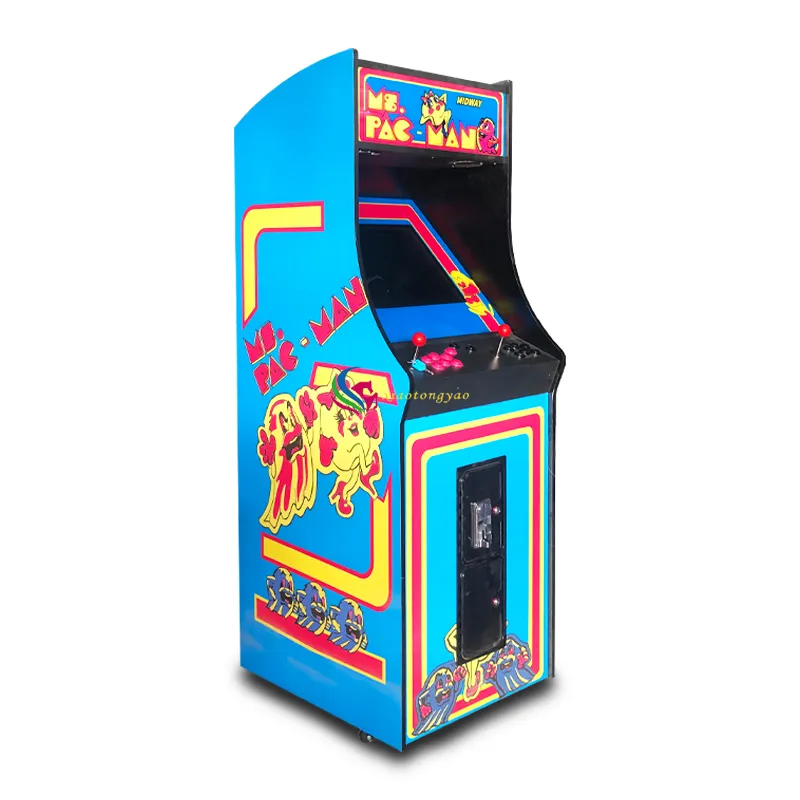
The world of gaming has evolved dramatically over the decades, creating distinct categories that serve different audiences and environments. While home consoles have dominated household entertainment, video game amusement equipment continues to thrive in commercial spaces, offering unique experiences that cannot be replicated at home. Understanding the fundamental differences between these gaming platforms reveals why arcade machines and commercial gaming equipment maintain their relevance in today's digital landscape.
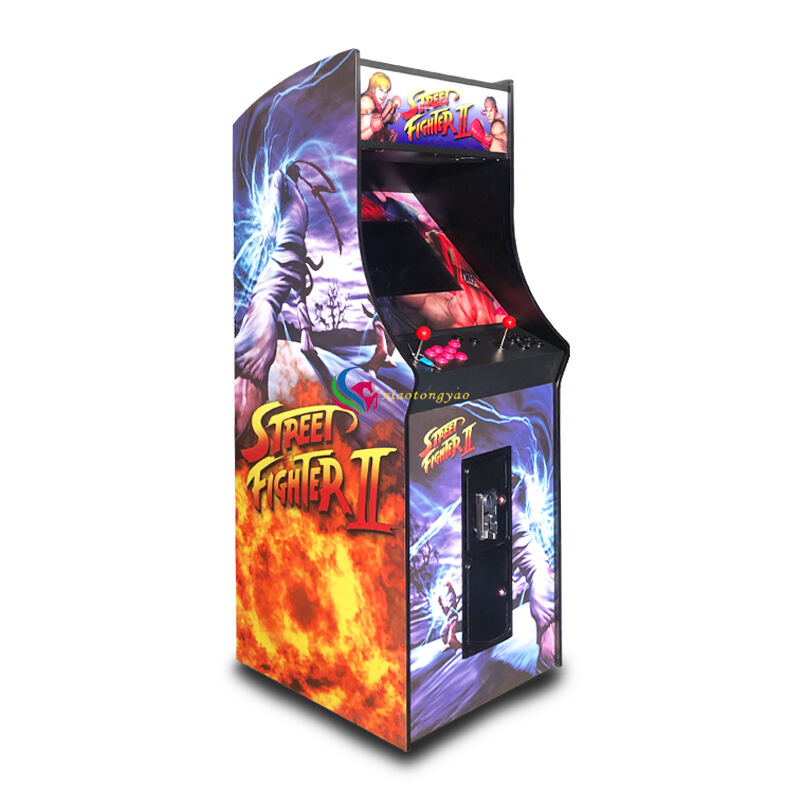
Commercial gaming establishments rely on video game amusement equipment to create immersive experiences that draw players away from their home gaming setups. These specialized machines are engineered with durability, profitability, and social interaction as primary design principles. Unlike home consoles that prioritize individual or small group entertainment, arcade equipment focuses on creating memorable experiences that encourage repeat visits and extended play sessions.
The distinction between commercial and residential gaming extends beyond simple hardware differences. Video game amusement equipment represents a carefully crafted blend of entertainment technology, business strategy, and social psychology. Each machine is designed to generate revenue while providing engaging gameplay that keeps players coming back for more.
Hardware Specifications and Build Quality
Durability Standards for Commercial Use
Video game amusement equipment must withstand thousands of hours of continuous operation in high-traffic environments. Commercial arcade machines are built with industrial-grade components that far exceed the specifications of home gaming consoles. Heavy-duty joysticks, reinforced buttons, and robust cabinet construction ensure these machines can handle intense daily use without frequent maintenance or replacement.
The materials used in constructing video game amusement equipment include thick steel frames, tempered glass screens, and commercial-grade electronic components. These specifications allow arcade machines to operate reliably in environments where home consoles would quickly fail. The investment in superior build quality reflects the commercial nature of these machines, where downtime directly impacts revenue generation.
Temperature tolerance, vibration resistance, and electromagnetic interference protection are critical factors in video game amusement equipment design. Commercial venues often experience varying environmental conditions, and arcade machines must maintain consistent performance regardless of external factors that might affect consumer electronics.
Processing Power and Graphics Capabilities
While home consoles focus on delivering cutting-edge graphics and processing power to individual users, video game amusement equipment prioritizes stability and consistent performance over raw computational capability. Many arcade machines utilize specialized hardware architectures optimized for specific game types rather than general-purpose gaming platforms.
The graphics requirements for video game amusement equipment often differ significantly from home gaming systems. Arcade displays are designed for viewing from standing positions and varying distances, requiring different color calibration, brightness levels, and contrast ratios compared to living room television screens.
Processing efficiency becomes more important than peak performance in commercial gaming environments. Video game amusement equipment must balance power consumption with performance to maintain profitability while delivering engaging gameplay experiences that justify the cost of play.
Revenue Generation Mechanisms
Coin Operation Systems
The fundamental business model of video game amusement equipment revolves around coin-operated or token-based payment systems. These mechanisms are integral to the machine design and significantly impact gameplay mechanics. Unlike home consoles that generate revenue through software sales, arcade machines must provide immediate value that justifies the per-play cost.
Modern video game amusement equipment incorporates sophisticated payment systems including bill acceptors, card readers, and digital payment interfaces. These systems must integrate seamlessly with the gaming experience while providing operators with detailed revenue tracking and anti-fraud protection. The reliability of payment systems directly affects the profitability of arcade operations.
Revenue optimization features in video game amusement equipment include adjustable difficulty settings, play time controls, and bonus credit systems. These mechanisms allow operators to fine-tune the earning potential of each machine based on location demographics and competitive factors.
Performance Metrics and Analytics
Commercial video game amusement equipment includes comprehensive data collection capabilities that track player behavior, revenue generation, and machine performance. This analytical approach enables operators to optimize game selection, pricing strategies, and maintenance schedules to maximize profitability.
The metrics collected by video game amusement equipment extend beyond simple play counts to include session duration, difficulty level performance, and peak usage times. This data helps operators understand customer preferences and adjust their gaming offerings accordingly.
Remote monitoring capabilities in modern video game amusement equipment allow operators to track multiple locations from centralized control systems. These features reduce operational costs while improving response times for maintenance and technical issues.
Social Gaming Experience Design
Multiplayer Interaction Features
Video game amusement equipment excels in creating social gaming experiences that encourage group participation and competitive interaction. The physical design of arcade machines naturally facilitates face-to-face competition and cooperation in ways that home consoles, despite online connectivity, cannot replicate.
The cabinet design of video game amusement equipment promotes social interaction through side-by-side controls, large displays visible to spectators, and audio systems that create shared experiences. These design elements transform individual gaming sessions into communal entertainment events that enhance the overall venue atmosphere.
Tournament features built into video game amusement equipment enable operators to host competitive events that drive repeat visits and extended play sessions. High score tracking, leaderboards, and championship modes create ongoing engagement that extends beyond individual gaming sessions.
Spectator Engagement Elements
Unlike home gaming setups, video game amusement equipment is designed with spectator appeal as a primary consideration. Large, bright displays and dynamic audio systems create engaging experiences for observers, potentially converting spectators into players. This secondary audience significantly impacts the commercial success of arcade installations.
The visual and audio presentation of video game amusement equipment serves dual purposes of player engagement and venue atmosphere enhancement. Colorful cabinet artwork, LED lighting effects, and high-quality sound systems contribute to the overall entertainment environment that defines successful arcade operations.
Demonstration modes and attract sequences in video game amusement equipment showcase gameplay features to potential players while maintaining visual interest during idle periods. These marketing features are essential for generating player interest in competitive commercial environments.
Maintenance and Operational Considerations
Service Requirements and Accessibility
Video game amusement equipment requires specialized maintenance procedures that differ significantly from home console care. Commercial gaming machines include diagnostic systems, modular components, and service documentation designed to minimize downtime and repair costs in revenue-generating environments.
The modular design of video game amusement equipment allows for rapid component replacement and troubleshooting. Operators can quickly identify and resolve technical issues without extensive technical expertise, reducing the impact of equipment failures on business operations.
Preventive maintenance scheduling for video game amusement equipment includes regular cleaning protocols, component inspections, and software updates that maintain optimal performance and extend equipment lifespan. These procedures are essential for protecting the significant investment in commercial gaming hardware.
Software Management and Updates
The software ecosystem for video game amusement equipment focuses on stability and revenue optimization rather than frequent feature updates common in home gaming. Game versions are carefully tested and validated before deployment to ensure consistent performance and profitability.
Content management systems for video game amusement equipment enable operators to remotely update game libraries, adjust pricing parameters, and monitor performance metrics across multiple locations. These capabilities streamline operations while maintaining centralized control over gaming content and revenue settings.
Security features in video game amusement equipment software protect against unauthorized modifications and ensure compliance with gaming regulations. These protections are essential for maintaining operator licenses and preventing revenue loss from tampering or fraud.
Location-Specific Adaptations
Environmental Considerations
Video game amusement equipment must adapt to diverse installation environments ranging from traditional arcades to family entertainment centers, bars, and retail locations. Each environment presents unique challenges regarding space constraints, ambient noise levels, and customer demographics that influence equipment selection and configuration.
Climate control requirements for video game amusement equipment exceed those of home consoles due to extended operating periods and higher power consumption. Proper ventilation, temperature management, and humidity control are essential for maintaining equipment reliability and preventing premature component failure.
Accessibility compliance in video game amusement equipment design ensures that commercial installations meet regulatory requirements for public accommodations. These considerations include wheelchair accessibility, visual and hearing accommodation features, and compliance with local gaming regulations.
Space Utilization Optimization
The physical footprint of video game amusement equipment directly impacts venue profitability through space utilization efficiency. Cabinet designs balance game requirements with floor space optimization to maximize revenue per square foot in commercial installations.
Modular configurations in video game amusement equipment allow operators to adapt installations to available space while maintaining optimal player experiences. Flexible mounting options, adjustable heights, and compact designs enable efficient venue layouts that maximize game variety within space constraints.
Traffic flow considerations in video game amusement equipment placement affect both player satisfaction and venue operations. Strategic positioning enhances visibility, minimizes congestion, and creates natural pathways that encourage exploration of additional gaming options.
FAQ
What makes video game amusement equipment more durable than home consoles
Video game amusement equipment utilizes industrial-grade components including reinforced cabinets, commercial-quality joysticks and buttons, and heavy-duty internal hardware designed for continuous operation. These machines must withstand thousands of hours of use in high-traffic commercial environments, requiring build quality standards far exceeding those of consumer gaming devices.
How do arcade machines generate revenue differently from home gaming systems
Arcade machines operate on pay-per-play models using coin mechanisms, bill acceptors, or card systems that generate immediate revenue for each gaming session. This contrasts with home consoles that rely on hardware sales and software licensing. Commercial gaming equipment includes sophisticated revenue tracking and optimization features to maximize profitability for operators.
Why do arcade games feel different from home console versions
Video game amusement equipment is specifically calibrated for commercial environments with different display characteristics, audio levels, and control responsiveness optimized for standing play positions and varying skill levels. The games are also tuned to provide engaging experiences within time and difficulty parameters that support the pay-per-play business model.
What maintenance requirements distinguish commercial gaming equipment from home systems
Commercial gaming machines require regular professional maintenance including component cleaning, calibration adjustments, and preventive part replacement to ensure consistent performance and minimize revenue-affecting downtime. These systems include diagnostic capabilities and modular designs that facilitate rapid repairs and component swapping not found in consumer gaming hardware.
Table of Contents
- Hardware Specifications and Build Quality
- Revenue Generation Mechanisms
- Social Gaming Experience Design
- Maintenance and Operational Considerations
- Location-Specific Adaptations
-
FAQ
- What makes video game amusement equipment more durable than home consoles
- How do arcade machines generate revenue differently from home gaming systems
- Why do arcade games feel different from home console versions
- What maintenance requirements distinguish commercial gaming equipment from home systems