
 EN
EN



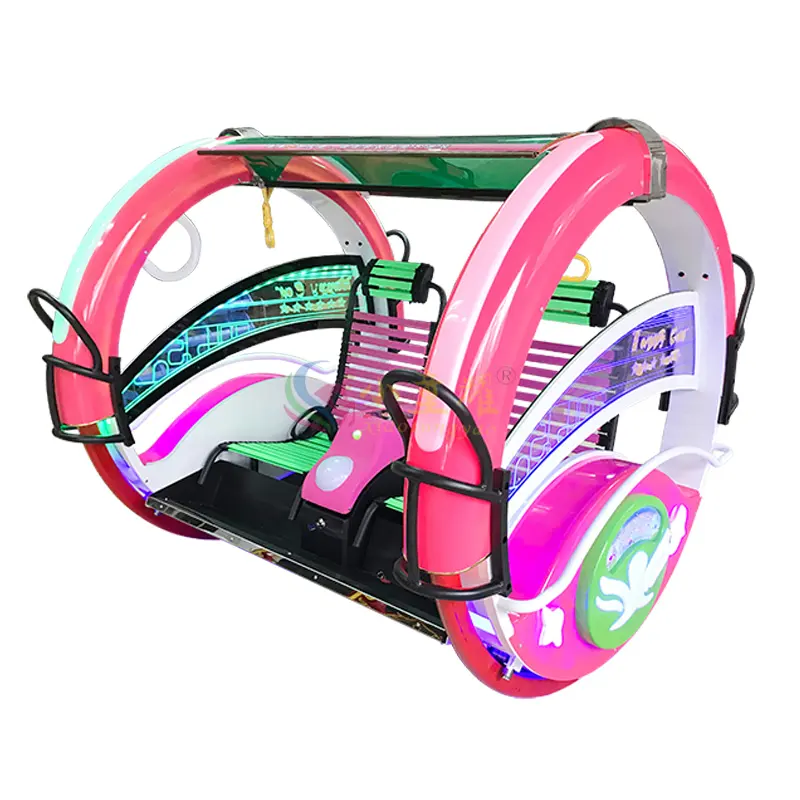
Weather resistance represents a critical factor in the design and manufacturing of outdoor amusement equipment, directly impacting operational reliability, maintenance costs, and guest safety. Modern outdoor entertainment installations face constant exposure to environmental challenges including rain, snow, UV radiation, temperature fluctuations, and corrosive elements. Understanding the essential weather-resistant features that protect outdoor amusement equipment enables operators to make informed investment decisions while ensuring long-term profitability and guest satisfaction.
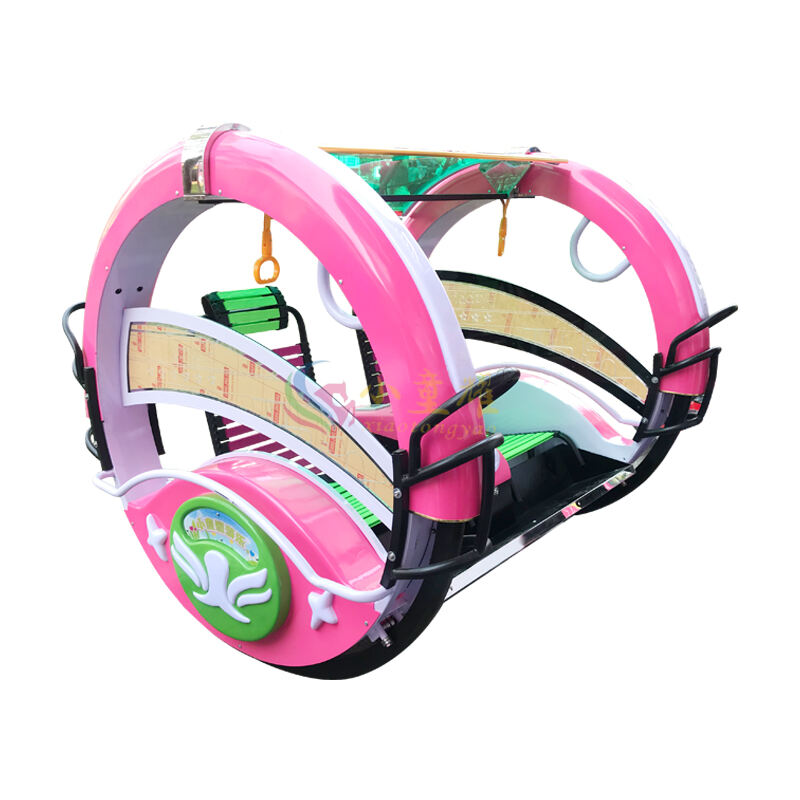
The outdoor entertainment industry has evolved significantly in recent decades, with manufacturers developing increasingly sophisticated protection systems that extend equipment lifespan while maintaining aesthetic appeal. Premium outdoor amusement equipment incorporates multiple layers of weather protection, from specialized coatings to advanced drainage systems. These innovations allow theme parks, family entertainment centers, and municipal recreation facilities to operate year-round in diverse climatic conditions while minimizing downtime and repair expenses.
Advanced Coating Systems for Environmental Protection
Multi-Layer Paint Technologies
Professional-grade outdoor amusement equipment utilizes sophisticated multi-layer coating systems that provide comprehensive protection against environmental degradation. These systems typically begin with zinc-rich primer layers that create a galvanic barrier against corrosion, followed by intermediate coats that enhance adhesion and provide additional chemical resistance. The final topcoat incorporates advanced polymer resins that resist UV degradation, maintain color stability, and repel moisture effectively.
Modern coating formulations often include ceramic particles and fluoropolymer additives that create self-cleaning surfaces, reducing maintenance requirements while preserving the visual appeal of outdoor amusement equipment. These advanced materials demonstrate exceptional performance in salt-air environments, industrial areas with high pollution levels, and regions experiencing extreme temperature variations. The application process requires controlled environmental conditions and specialized equipment to ensure proper adhesion and curing.
Powder Coating Applications
Electrostatic powder coating represents another significant advancement in weather protection for outdoor amusement equipment, offering superior durability compared to traditional liquid paint systems. This process involves applying charged powder particles to grounded metal surfaces, creating an even coating that cures into a hard, protective finish. Powder coatings demonstrate exceptional resistance to chipping, scratching, and chemical exposure while maintaining flexibility that prevents cracking during thermal expansion cycles.
The environmental benefits of powder coating make it increasingly popular for outdoor amusement equipment manufacturers concerned with sustainability. The process generates minimal volatile organic compounds and allows for nearly complete material utilization, reducing waste and environmental impact. Additionally, powder-coated surfaces can be easily cleaned and maintained, extending the intervals between major refinishing projects.
Structural Materials and Design Considerations
Corrosion-Resistant Metal Alloys
The selection of appropriate base materials significantly influences the weather resistance of outdoor amusement equipment. Stainless steel alloys, particularly grades 316 and 316L, offer exceptional corrosion resistance in marine environments and areas with high humidity levels. These materials contain molybdenum and other alloying elements that create a passive oxide layer, preventing rust formation even when the surface is scratched or damaged.
Aluminum alloys provide another excellent option for outdoor amusement equipment construction, offering natural corrosion resistance combined with lightweight properties that simplify installation and reduce structural loads. Marine-grade aluminum alloys incorporate magnesium and silicon additions that enhance strength while maintaining excellent weatherability. The natural oxide layer that forms on aluminum surfaces provides ongoing protection against environmental degradation.
Galvanized Steel Components
Hot-dip galvanizing remains one of the most cost-effective methods for protecting steel components in outdoor amusement equipment from corrosion. This process involves immersing fabricated steel parts in molten zinc, creating a metallurgically bonded coating that provides sacrificial protection. The zinc layer corrodes preferentially to the underlying steel, extending equipment lifespan significantly even in harsh environments.
Modern galvanizing processes can achieve coating thicknesses exceeding 100 microns, providing decades of protection for properly designed outdoor amusement equipment. The process works particularly well for structural framework, support posts, and other components that experience high stress loads. Post-galvanizing painting can further extend protection while providing desired aesthetic finishes.
Water Management and Drainage Solutions
Integrated Drainage Systems
Effective water management represents a crucial aspect of weather-resistant outdoor amusement equipment design. Integrated drainage systems prevent water accumulation that can lead to corrosion, electrical problems, and structural damage. These systems incorporate sloped surfaces, strategically placed drain holes, and internal guttering that directs water away from critical components and electrical connections.
Advanced drainage designs often include removable panels and access points that facilitate cleaning and maintenance of drainage channels. This prevents blockages from leaves, debris, and other materials that could compromise water flow. Some outdoor amusement equipment incorporates heating elements in drainage channels to prevent ice formation in cold climates.
Weatherproof Electrical Systems
Electrical components in outdoor amusement equipment require specialized protection against moisture intrusion, which can cause short circuits, component failure, and safety hazards. NEMA-rated enclosures provide standardized levels of protection against environmental conditions, with outdoor installations typically requiring NEMA 3R or higher ratings. These enclosures feature gasket seals, sloped tops for water runoff, and corrosion-resistant hardware.
Modern electrical protection systems often incorporate positive air pressure maintenance that prevents moisture infiltration through small openings. Desiccant systems and automatic ventilation help control humidity levels within electrical enclosures, preventing condensation that could damage sensitive control components. Ground fault circuit interrupters provide additional safety protection in wet conditions.
UV Protection and Color Retention Technologies
Ultraviolet Stabilizers
Prolonged exposure to ultraviolet radiation causes significant degradation in outdoor amusement equipment materials, leading to color fading, surface chalking, and structural weakening of polymer components. Advanced UV stabilizer packages incorporated into coatings and plastic materials absorb harmful radiation before it can damage the underlying substrate. These additives work by converting UV energy into harmless heat that dissipates without causing material degradation.
Hindered amine light stabilizers represent a particularly effective class of UV protection additives that provide long-term protection for outdoor amusement equipment. These compounds work synergistically with UV absorbers to create a comprehensive protection system that maintains material properties and appearance for extended periods. The concentration and selection of stabilizers must be carefully optimized based on expected exposure conditions and material requirements.
Fade-Resistant Pigment Systems
Color retention in outdoor amusement equipment depends heavily on the selection of appropriate pigment systems that resist photodegradation. Inorganic pigments, including titanium dioxide, iron oxides, and chromium-based compounds, generally provide superior lightfastness compared to organic alternatives. These materials maintain their color properties even after years of exposure to intense sunlight and weather conditions.
Encapsulated pigment technologies offer additional protection by surrounding color particles with protective polymer shells that prevent direct UV exposure. This approach allows the use of more vibrant organic pigments in outdoor amusement equipment while maintaining acceptable fade resistance. Regular maintenance and cleaning help preserve color appearance by removing accumulated dirt and pollutants that can accelerate fading processes.
Temperature Resistance and Thermal Management
Thermal Expansion Accommodation
Outdoor amusement equipment must accommodate significant temperature variations that cause thermal expansion and contraction of structural components. Design features that address thermal movement include expansion joints, flexible connections, and material selection that minimizes differential expansion between dissimilar materials. Proper thermal design prevents stress concentrations that could lead to cracking or joint failure over time.
Advanced thermal management systems in outdoor amusement equipment often incorporate materials with low coefficients of thermal expansion or design configurations that naturally accommodate movement. Composite materials and engineered plastics can provide excellent thermal stability while reducing overall equipment weight. Thermal barriers and insulation systems protect temperature-sensitive components from extreme environmental conditions.
Cold Weather Performance
Equipment operation in cold climates requires special consideration of material brittleness, lubricant viscosity changes, and ice formation prevention. Low-temperature impact resistance becomes critical for outdoor amusement equipment exposed to freezing conditions. Materials selection must account for the ductile-to-brittle transition temperature to prevent catastrophic failure during cold weather operation.
Heating systems integrated into critical components help maintain operational readiness during winter months. These systems may include heated rails, warm-air circulation, or radiant heating elements strategically placed to prevent ice accumulation. Energy-efficient heating designs minimize operational costs while ensuring reliable cold-weather performance of outdoor amusement equipment.
Maintenance Accessibility and Component Replacement
Modular Design Philosophy
Weather-resistant outdoor amusement equipment increasingly incorporates modular design principles that facilitate maintenance and component replacement. This approach allows operators to replace worn or damaged sections without disassembling entire rides or attractions. Modular construction also enables seasonal storage of removable components that may be particularly vulnerable to weather damage.
Standardized connection systems and fasteners simplify maintenance procedures while ensuring proper reassembly. Quick-disconnect fittings for fluid lines, plug-in electrical connections, and bolt-together structural joints reduce maintenance time and labor costs. Detailed documentation and component labeling further streamline maintenance operations for outdoor amusement equipment.
Predictive Maintenance Integration
Modern outdoor amusement equipment often incorporates sensors and monitoring systems that provide real-time data on component condition and environmental exposure. These systems can track coating thickness, detect moisture intrusion, monitor temperature cycles, and identify early signs of wear or damage. Predictive maintenance capabilities allow operators to address potential problems before they result in equipment failure or safety concerns.
Wireless communication systems enable remote monitoring of distributed outdoor amusement equipment installations. Automated alerts notify maintenance personnel when conditions exceed acceptable parameters or when scheduled maintenance intervals approach. This proactive approach minimizes unexpected downtime while optimizing maintenance resource allocation.
FAQ
How often should weather-resistant coatings be inspected on outdoor amusement equipment
Weather-resistant coatings on outdoor amusement equipment should undergo visual inspection monthly during operating seasons, with comprehensive assessments conducted annually by qualified coating specialists. Signs of coating deterioration include chalking, color fading, cracking, or localized corrosion. Early detection allows for spot repairs that prevent widespread coating failure and underlying substrate damage. Harsh environments may require more frequent inspection intervals.
What environmental factors most significantly impact outdoor amusement equipment durability
Salt air exposure represents the most aggressive environmental factor affecting outdoor amusement equipment, followed by UV radiation intensity and thermal cycling frequency. Coastal installations require enhanced corrosion protection measures, while high-altitude locations need additional UV protection. Industrial environments with chemical pollutants and acid rain also accelerate material degradation. Equipment specifications should address the most severe expected environmental conditions.
Can existing outdoor amusement equipment be retrofitted with improved weather protection
Many existing outdoor amusement equipment installations can benefit from retrofit weather protection upgrades, including recoating with advanced materials, adding drainage improvements, and installing protective covers for sensitive components. However, structural modifications may require engineering analysis to ensure safety and compliance with applicable codes. Cost-benefit analysis should compare retrofit expenses against replacement costs and expected service life extension.
What role does regular cleaning play in maintaining weather resistance
Regular cleaning significantly extends the effectiveness of weather protection systems on outdoor amusement equipment by removing corrosive deposits, preventing biological growth, and maintaining coating integrity. Pressure washing with appropriate detergents removes accumulated pollutants that can accelerate coating degradation. Cleaning schedules should be intensified in coastal or industrial environments where contaminant accumulation occurs more rapidly. Proper cleaning techniques preserve protective coatings while removing harmful substances.
Table of Contents
- Advanced Coating Systems for Environmental Protection
- Structural Materials and Design Considerations
- Water Management and Drainage Solutions
- UV Protection and Color Retention Technologies
- Temperature Resistance and Thermal Management
- Maintenance Accessibility and Component Replacement
-
FAQ
- How often should weather-resistant coatings be inspected on outdoor amusement equipment
- What environmental factors most significantly impact outdoor amusement equipment durability
- Can existing outdoor amusement equipment be retrofitted with improved weather protection
- What role does regular cleaning play in maintaining weather resistance