
 EN
EN



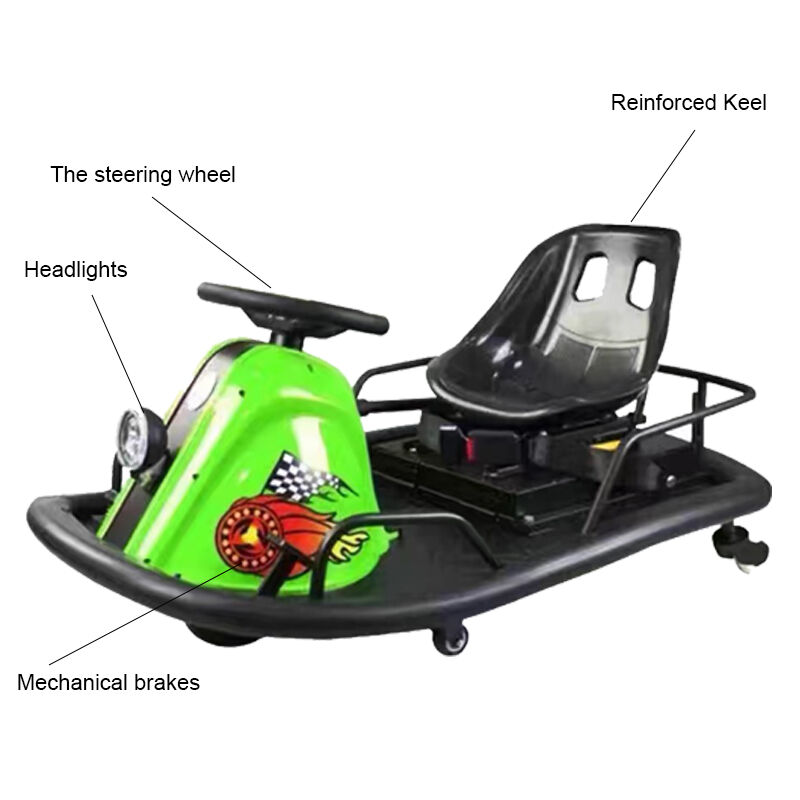
The thrill of high-speed racing has captivated enthusiasts for generations, and few experiences match the pure excitement of piloting a go-cart around a challenging track. These compact racing machines have evolved from simple backyard projects into sophisticated vehicles that deliver professional-grade entertainment for drivers of all skill levels. Whether you're seeking family-friendly recreation or competitive racing thrills, a go-cart offers an accessible gateway into the world of motorsports that combines safety with genuine speed sensations.
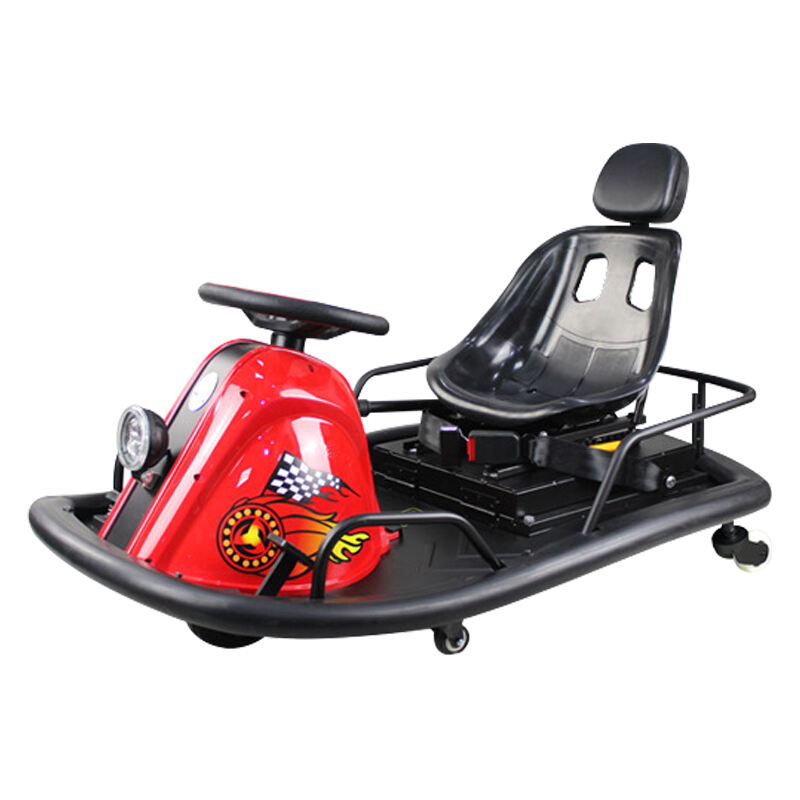
Modern go-cart technology has transformed these vehicles into precision-engineered machines that balance performance with user-friendly operation. Advanced safety systems, responsive handling characteristics, and reliable powertrains make today's go-cart options suitable for both recreational users and serious racing enthusiasts. The industry has witnessed remarkable innovations in electric drive systems, chassis design, and safety equipment that enhance the overall racing experience while maintaining the fundamental appeal that makes go-cart racing so compelling across diverse age groups.
Engineering Excellence Behind Modern Go-Cart Design
Chassis Construction and Structural Integrity
The foundation of every high-performance go-cart lies in its meticulously designed chassis, which must withstand the demanding forces generated during aggressive cornering and high-speed operation. Modern manufacturers employ advanced steel tubing techniques that create rigid yet lightweight frames capable of handling extreme racing conditions. These chassis systems feature strategic reinforcement points that distribute impact forces effectively while maintaining optimal weight distribution for superior handling characteristics.
Professional-grade go-cart chassis incorporate sophisticated suspension geometry that maximizes tire contact with the racing surface. The precise alignment of front and rear axles, combined with carefully calculated wheelbase dimensions, ensures that drivers experience predictable handling responses across various track conditions. This engineering precision allows a go-cart to deliver consistent performance whether navigating tight hairpin turns or accelerating down lengthy straightaways.
Powertrain Technologies and Performance Systems
Contemporary go-cart powertrains represent a convergence of traditional internal combustion engines and cutting-edge electric drive systems. Electric go-cart models have gained significant popularity due to their instant torque delivery, silent operation, and environmentally friendly characteristics. These systems utilize high-capacity battery packs that provide extended operation times while maintaining consistent power output throughout racing sessions.
Advanced motor controllers in electric go-cart designs enable precise speed regulation and regenerative braking capabilities that enhance both performance and safety. The integration of variable speed settings allows operators to customize the racing experience for different skill levels, making these vehicles suitable for young beginners and experienced drivers alike. This technological flexibility ensures that a single go-cart can accommodate multiple users with varying experience levels and confidence thresholds.
Safety Innovations That Enable High-Speed Confidence
Protective Equipment and Impact Management
Modern go-cart safety systems extend far beyond basic seatbelts and helmets, incorporating comprehensive protection strategies that address multiple risk scenarios. Advanced roll cage designs utilize high-strength materials and optimized geometry to create protective zones around drivers while maintaining clear visibility and comfortable operation. These structures undergo rigorous testing to ensure they meet or exceed industry safety standards for recreational and competitive racing applications.
Impact-absorbing bumper systems represent another crucial safety advancement in contemporary go-cart design. These components feature energy-dissipating materials and strategic mounting systems that minimize collision forces transmitted to both vehicles and drivers. The careful integration of these safety elements ensures that minor contact incidents remain manageable while preserving the competitive excitement that makes go-cart racing so engaging.
Electronic Safety Controls and Monitoring Systems
Sophisticated electronic control systems in modern go-cart designs provide multiple layers of safety oversight without compromising the authentic racing experience. Speed limiting functions allow operators to establish maximum velocity thresholds appropriate for different track configurations and user skill levels. These systems can be adjusted in real-time, enabling gradual progression as drivers develop their racing capabilities and confidence levels.
Advanced monitoring systems continuously track critical operational parameters including battery status, motor temperature, and steering responsiveness. This comprehensive oversight ensures that potential mechanical issues are identified before they can compromise safety or performance. The integration of these technologies demonstrates how modern go-cart systems balance cutting-edge innovation with user-friendly operation.
Multi-Generational Appeal and Accessibility Features
Adjustable Systems for Different Age Groups
The universal appeal of go-cart racing stems largely from the sophisticated adjustability features that accommodate drivers across a wide spectrum of ages and physical capabilities. Seat positioning systems allow for precise customization of driving position, ensuring that both young children and adult drivers can achieve optimal control and comfort during racing sessions. These adjustments maintain proper pedal reach and steering wheel positioning regardless of driver stature.
Variable speed control systems enable operators to tailor the go-cart experience to match individual comfort levels and skill development stages. Beginning drivers can start with reduced power settings that provide manageable acceleration and top speeds, while experienced users can access full performance capabilities for competitive racing scenarios. This scalability ensures that families can share vehicles across multiple generations while maintaining appropriate challenge levels for each participant.
Intuitive Operation and Learning Curves
Modern go-cart control systems prioritize intuitive operation that minimizes the learning curve for new drivers while preserving the authentic racing experience. Simplified control layouts feature clearly marked accelerator and brake pedals positioned for natural operation, allowing drivers to focus on racing lines and strategy rather than complex mechanical operations. This user-friendly approach encourages participation from individuals who might otherwise feel intimidated by more complex racing vehicles.
Progressive skill development opportunities within go-cart racing create natural advancement pathways that maintain long-term engagement. Drivers typically begin with basic acceleration and steering techniques before progressing to advanced concepts like racing lines, braking points, and competitive positioning strategies. This structured learning environment ensures that participants can continuously challenge themselves while building confidence and technical skills over extended periods.
Track Design Considerations for Optimal Go-Cart Performance
Surface Specifications and Grip Characteristics
Proper track surface preparation plays a critical role in maximizing go-cart performance while ensuring consistent safety standards across different racing conditions. Professional-grade track surfaces utilize specialized materials that provide optimal tire grip without generating excessive wear or heat buildup during extended racing sessions. These surfaces must maintain their characteristics across various weather conditions while providing predictable handling responses for drivers.
Strategic track design elements including banking angles, corner radii, and elevation changes create challenging racing environments that showcase go-cart capabilities while accommodating different skill levels. Properly designed circuits feature multiple racing lines that allow for competitive overtaking opportunities without compromising safety margins. This thoughtful approach to track layout ensures that both recreational users and competitive drivers find engaging challenges appropriate to their experience levels.
Infrastructure Requirements for Go-Cart Operations
Comprehensive go-cart facilities require specialized infrastructure that supports both vehicle operations and user safety requirements. Proper electrical systems must accommodate charging stations for electric go-cart fleets while providing adequate lighting for extended operating hours. These installations require professional-grade components that can handle the demanding electrical loads associated with rapid charging cycles and continuous operation schedules.
Safety infrastructure including barriers, runoff areas, and emergency access points must be strategically positioned to protect participants while maintaining racing excitement. Modern go-cart facilities incorporate impact-absorbing barrier systems that minimize collision consequences while allowing for quick recovery and continued racing. This infrastructure investment demonstrates the commitment to providing safe, high-quality racing experiences that encourage repeat participation and positive word-of-mouth recommendations.
Competitive Racing and Recreational Applications
Organized Competition Formats and Events
The structured competitive landscape surrounding go-cart racing provides opportunities for participants to test their skills against similarly motivated drivers in organized events. Local racing leagues often feature multiple classes that separate participants by age, experience level, and vehicle specifications to ensure fair competition and appropriate challenge levels. These organized competitions create social communities around go-cart racing that extend the appeal beyond individual racing sessions.
Championship series and tournament formats provide long-term goals that maintain participant engagement throughout racing seasons. These competitive structures typically incorporate point systems that reward consistent performance and sportsmanship alongside raw speed, encouraging drivers to develop comprehensive racing skills rather than focusing solely on single-lap performance. The social aspects of competitive go-cart racing create lasting friendships and shared experiences that enhance the overall appeal of the sport.
Corporate and Group Entertainment Applications
Corporate team-building events and group entertainment applications have embraced go-cart racing as an effective method for creating shared experiences that break down professional barriers and encourage collaboration. The relatively low skill threshold combined with genuine excitement creates environments where participants can interact authentically while enjoying competitive challenges. These applications demonstrate how go-cart racing translates effectively from individual recreation to group dynamics.
Event organizers appreciate the scalability and predictability that modern go-cart systems provide for large group entertainment. Standardized vehicle performance ensures fair competition regardless of individual mechanical knowledge, while safety systems provide confidence for participants with varying comfort levels regarding high-speed activities. This combination of accessibility and excitement makes go-cart racing an ideal choice for diverse group entertainment requirements.
Maintenance and Operational Considerations
Routine Maintenance Requirements and Procedures
Proper maintenance protocols ensure that go-cart systems deliver consistent performance and safety standards throughout their operational lifespan. Electric go-cart systems require regular battery conditioning and charging system inspections to maintain optimal power delivery and extend component longevity. These maintenance procedures typically involve straightforward protocols that can be managed by trained facility staff without requiring specialized automotive expertise.
Mechanical components including steering systems, braking mechanisms, and chassis connections require periodic inspection and adjustment to maintain peak performance standards. Professional maintenance programs establish systematic schedules that address both preventive care and responsive repairs to minimize downtime and ensure participant safety. This proactive approach to vehicle maintenance demonstrates the commitment to providing reliable, high-quality racing experiences that meet or exceed participant expectations.
Operational Efficiency and Cost Management
Modern go-cart operations benefit from technological innovations that reduce operational costs while improving user experiences. Electric powertrains eliminate fuel costs and reduce maintenance complexity compared to internal combustion alternatives, resulting in lower long-term operational expenses. These cost advantages allow operators to invest in facility improvements and expanded vehicle fleets that enhance the overall racing experience.
Efficient charging infrastructure and battery management systems optimize energy usage while ensuring vehicle availability during peak operating periods. Smart scheduling systems can coordinate charging cycles to minimize electrical demand charges while maintaining adequate vehicle readiness for customer demand. These operational efficiencies contribute to sustainable business models that support continued investment in go-cart facilities and technology advancement.
FAQ
What age groups can safely operate go-cart vehicles
Most modern go-cart systems accommodate drivers from approximately 8 years old through adult ages, with adjustable safety and performance settings that scale appropriately for different age groups. Younger drivers typically start with reduced speed settings and additional safety supervision, while adults can access full performance capabilities. Individual facilities may establish specific age requirements based on their insurance policies and local regulations.
How do electric go-cart systems compare to gas-powered alternatives
Electric go-cart systems offer several advantages including instant torque delivery, silent operation, zero emissions, and simplified maintenance requirements compared to gas-powered alternatives. While traditional gas engines may provide longer continuous operation times, modern battery systems offer sufficient range for typical racing sessions while eliminating fuel costs and reducing environmental impact. The choice between electric and gas systems often depends on specific operational requirements and facility preferences.
What safety equipment is required for go-cart racing
Essential safety equipment for go-cart racing includes properly fitted helmets meeting current safety standards, closed-toe shoes with adequate ankle support, and appropriate clothing that covers arms and legs. Many facilities provide helmets and additional safety equipment, though participants may prefer to use personal protective gear that ensures proper fit and comfort. Additional safety features like seat belts and roll bars are typically integrated into the go-cart design rather than requiring separate user equipment.
How much space is required for a go-cart track installation
Go-cart track installations can be adapted to various space constraints, with minimum functional tracks requiring approximately 1-2 acres for basic circuit designs. More elaborate facilities with multiple track configurations, pit areas, and spectator facilities typically require 3-5 acres or more depending on the intended capacity and amenities. Indoor facilities can operate effectively in large warehouse spaces, though they require adequate ventilation systems and specialized flooring materials for optimal performance.
Table of Contents
- Engineering Excellence Behind Modern Go-Cart Design
- Safety Innovations That Enable High-Speed Confidence
- Multi-Generational Appeal and Accessibility Features
- Track Design Considerations for Optimal Go-Cart Performance
- Competitive Racing and Recreational Applications
- Maintenance and Operational Considerations
- FAQ