
 EN
EN



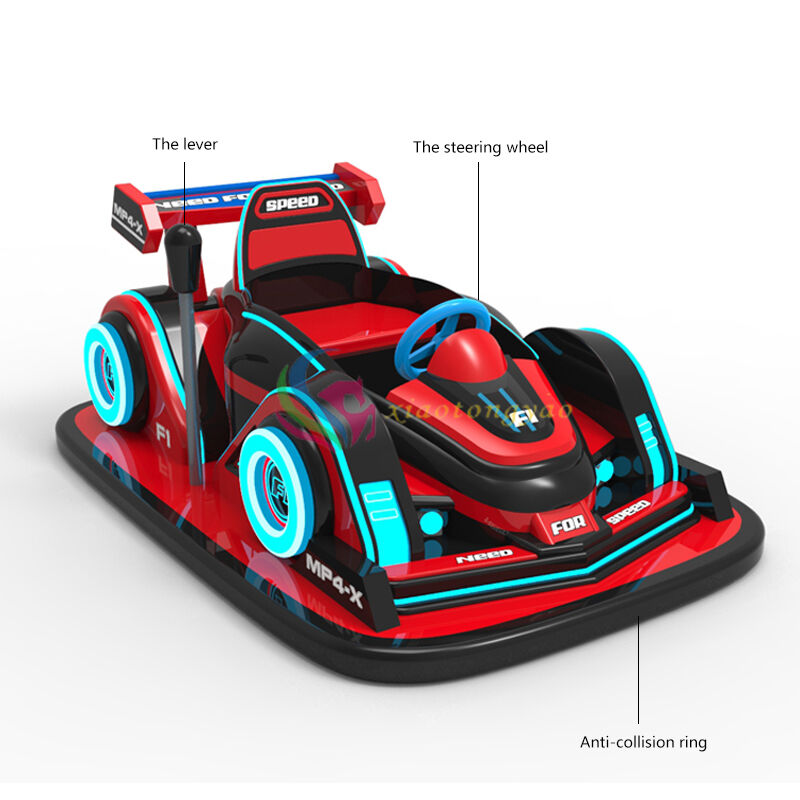
The modern amusement park industry has witnessed remarkable innovations in ride technology, with drift bumper car attractions emerging as one of the most exciting developments. Unlike traditional bumper cars that simply bounce off each other, these advanced vehicles offer riders the thrilling experience of controlled sliding and dynamic maneuvering. The unique engineering behind these attractions combines cutting-edge automotive technology with proven amusement ride safety standards, creating an entirely new category of entertainment that appeals to both children and adults seeking high-energy fun.
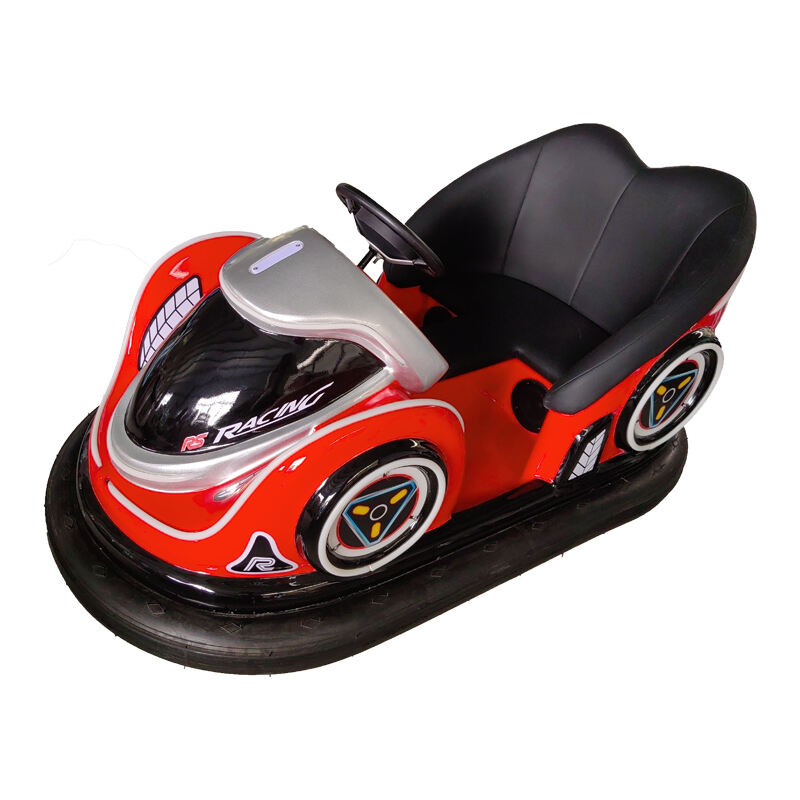
Advanced Engineering and Construction Features
Specialized Chassis Design
The foundation of every drift bumper car lies in its specially engineered chassis system that differs significantly from conventional bumper car construction. These vehicles feature a lower center of gravity achieved through strategic weight distribution and reinforced steel frame architecture. The chassis incorporates precision-welded joints and impact-resistant materials that can withstand the increased lateral forces generated during drift maneuvers. This robust construction ensures long-term durability while maintaining the structural integrity necessary for safe operation in high-traffic amusement environments.
Modern drift bumper car chassis also include advanced suspension systems that allow for controlled movement while maintaining rider comfort. The suspension components are specifically calibrated to provide the right balance between stability and maneuverability, enabling smooth transitions during drift sequences. These engineering improvements represent a significant advancement over traditional bumper car designs that relied on rigid construction without consideration for dynamic movement patterns.
Revolutionary Tire Technology
The most distinctive feature of any drift bumper car system is its specialized tire configuration that enables controlled sliding motions. These vehicles typically employ a combination of high-traction and low-traction wheels strategically positioned to create the perfect drift characteristics. The front wheels usually feature standard rubber compounds for steering control, while rear wheels incorporate specialized materials or coatings that reduce friction with the track surface. This asymmetric tire setup allows operators to maintain directional control while experiencing the excitement of rear-wheel sliding.
Advanced tire technology in drift bumper cars also includes innovative tread patterns and compound formulations developed specifically for indoor amusement applications. These specialized tires provide consistent performance across various track surfaces and temperature conditions, ensuring predictable drift behavior regardless of environmental factors. The durability of these tire systems has been extensively tested to handle the repetitive stress cycles typical in commercial amusement operations.
Innovative Control Systems and Electronics
Enhanced Steering Mechanisms
The control systems in drift bumper car designs incorporate precision steering mechanisms that provide riders with responsive handling capabilities. These systems feature variable ratio steering that adapts to different speed ranges, offering gentle control at low speeds while maintaining stability during high-speed drift maneuvers. The steering column assemblies include dampening systems that filter out unwanted vibrations and provide smooth operation throughout the entire range of motion.
Electronic power steering assistance has become increasingly common in premium drift bumper car installations, providing consistent steering effort regardless of track conditions or vehicle speed. This technology ensures that riders of all ages and physical capabilities can enjoy the full drift experience without struggling with heavy or unresponsive controls. The integration of electronic systems also enables programmable settings that can be adjusted for different rider skill levels or operational requirements.
Advanced Battery and Motor Systems
Modern drift bumper car operations rely on sophisticated electric drive systems that deliver instant torque and precise speed control. These vehicles typically employ high-capacity lithium-ion battery packs that provide extended operation times while maintaining consistent performance throughout the charge cycle. The battery management systems include advanced monitoring capabilities that track charge levels, temperature, and overall system health to ensure optimal performance and safety.
The electric motor assemblies in drift bumper car systems are specifically designed to provide the power characteristics necessary for controlled sliding maneuvers. These motors offer precise speed control and rapid response to throttle inputs, enabling riders to initiate and maintain drift sequences with confidence. Variable speed control systems allow operators to adjust maximum speeds based on rider experience levels or safety requirements, making these attractions suitable for diverse audiences.
Safety Features and Operational Advantages
Enhanced Protection Systems
Safety remains the paramount concern in drift bumper car design, with multiple redundant protection systems built into every vehicle. These cars feature reinforced safety barriers and impact-absorbing materials strategically placed around the passenger compartment. The seat designs include integrated safety harnesses and padding systems that secure riders while allowing for comfortable movement during operation. Emergency stop systems provide immediate power cutoff capabilities, ensuring rapid response to any safety concerns.
Advanced drift bumper car installations also incorporate proximity sensors and collision avoidance systems that help prevent dangerous situations before they occur. These electronic safety systems monitor vehicle positions and speeds, automatically adjusting power delivery or applying braking when potentially unsafe conditions are detected. The integration of these intelligent safety features represents a significant advancement over traditional bumper car safety systems that relied primarily on physical barriers and operator oversight.
Maintenance and Operational Efficiency
The design philosophy behind modern drift bumper car systems emphasizes ease of maintenance and operational efficiency. These vehicles feature modular construction that allows for quick replacement of wear components without extensive downtime. The electric drive systems require minimal maintenance compared to traditional mechanical systems, reducing operational costs and improving attraction availability. Diagnostic systems provide real-time monitoring of vehicle performance, enabling proactive maintenance scheduling and preventing unexpected failures.
Operational efficiency improvements in drift bumper car installations include automated charging systems that maintain optimal battery levels with minimal staff intervention. These systems can automatically rotate vehicles through charging cycles, ensuring maximum attraction capacity while extending battery life. The integration of fleet management systems provides operators with comprehensive data on vehicle utilization, maintenance requirements, and performance metrics that support informed operational decisions.
Market Applications and Revenue Potential
Target Demographics and Appeal
The unique characteristics of drift bumper car attractions appeal to a broader demographic range than traditional bumper car installations. These high-energy rides attract teenagers and adults who might otherwise find standard bumper cars too tame, while still remaining accessible to younger riders with appropriate safety measures. The drift bumper car experience provides the excitement of automotive drifting in a controlled, safe environment that requires no special skills or training to enjoy.
Marketing research indicates that drift bumper car installations generate higher per-ride revenue compared to traditional bumper car attractions due to their novelty and enhanced entertainment value. The unique nature of the drift experience encourages repeat visits and longer session times, contributing to improved overall attraction profitability. These installations also photograph and video particularly well for social media sharing, providing valuable marketing exposure that attracts new visitors to the facility.
Integration with Modern Entertainment Venues
Contemporary entertainment venues are increasingly incorporating drift bumper car attractions as signature experiences that differentiate their offerings from competitors. These installations work particularly well in family entertainment centers, indoor karting facilities, and modern arcade environments where the automotive theme complements other attractions. The compact footprint and flexible installation requirements make drift bumper car systems suitable for both permanent installations and temporary events.
The integration of drift bumper car attractions with digital gaming systems and virtual reality technologies represents an emerging trend that further enhances the entertainment value. These hybrid installations combine physical driving experiences with digital challenges and competitive elements, creating multi-layered entertainment experiences that appeal to modern consumers. The ability to incorporate timing systems, scoring mechanisms, and online leaderboards transforms the basic drift bumper car concept into a comprehensive entertainment platform.
Technical Specifications and Performance Characteristics
Power and Performance Metrics
The performance characteristics of drift bumper car systems are carefully calibrated to provide optimal entertainment value while maintaining safety standards. These vehicles typically achieve maximum speeds ranging from 8 to 15 miles per hour, depending on the specific application and target audience. The acceleration curves are programmed to provide smooth power delivery that builds excitement without creating jarring or uncomfortable experiences for riders.
Battery capacity and range specifications for drift bumper car installations are designed to support continuous operation throughout typical business hours. Modern lithium-ion systems provide 6 to 8 hours of continuous operation per charge cycle, with rapid charging capabilities that allow for quick turnaround between sessions. The power management systems optimize energy consumption based on driving patterns and operating conditions, maximizing operational efficiency and minimizing energy costs.
Environmental Adaptability
Modern drift bumper car designs incorporate environmental adaptability features that ensure consistent performance across varying operational conditions. The electronic systems include temperature compensation algorithms that adjust performance parameters based on ambient conditions, maintaining optimal drift characteristics regardless of seasonal variations. Humidity and dust protection systems ensure reliable operation in challenging indoor environments typical of many entertainment venues.
The track surface compatibility of drift bumper car systems has been extensively developed to work effectively on various flooring materials commonly found in entertainment facilities. These vehicles can operate successfully on polished concrete, specialized coatings, and purpose-built track surfaces. The tire compounds and vehicle settings can be adjusted to optimize drift characteristics for specific surface types, ensuring consistent performance regardless of the installation environment.
FAQ
What maintenance requirements are associated with drift bumper car operations
Drift bumper car systems require routine maintenance that focuses primarily on battery system care, tire inspection and replacement, and electronic system diagnostics. Daily maintenance tasks include charging cycle management, visual inspection of safety systems, and cleaning of vehicle exteriors. Weekly maintenance involves more detailed inspection of steering systems, seat belts, and electrical connections. Monthly maintenance includes comprehensive battery testing, tire wear assessment, and calibration of electronic control systems. The modular design of modern drift bumper car systems allows most maintenance tasks to be completed quickly without specialized tools or extensive technical training.
How do drift bumper cars compare to traditional bumper cars in terms of operational costs
While the initial investment for drift bumper car installations is typically higher than traditional bumper cars, the operational cost structure often proves more favorable over time. Electric drive systems require less maintenance than mechanical alternatives, reducing ongoing service costs and downtime. The enhanced entertainment value of drift bumper car experiences typically supports higher per-ride pricing, improving revenue potential. Energy consumption is generally comparable to or lower than traditional bumper car systems due to efficient electric drive systems and intelligent power management. The improved durability of modern construction materials also contributes to lower long-term operational costs through reduced replacement frequency.
What space requirements are needed for drift bumper car installations
Drift bumper car installations require adequate space for both the riding area and support systems including charging stations and storage areas. The minimum recommended riding area for a small drift bumper car installation is approximately 1,200 square feet, while larger installations may require 2,000 square feet or more. Ceiling height requirements are typically 10 feet minimum to accommodate safety barriers and lighting systems. Additional space must be allocated for battery charging systems, vehicle storage, and maintenance access. The exact space requirements depend on the number of vehicles, expected capacity, and specific installation design parameters.
Are drift bumper cars suitable for all age groups
Drift bumper car attractions can be designed to accommodate a wide range of age groups through adjustable safety and performance settings. Most installations feature variable speed controls that allow operators to adjust maximum speeds and acceleration rates based on rider age and experience levels. Safety harness systems can be configured for different body sizes, ensuring secure fit for both children and adults. Height and age restrictions are typically established based on local safety regulations and manufacturer recommendations. Many installations offer different operating modes or time periods specifically designed for younger riders, families, or more experienced operators seeking higher performance levels.