
 EN
EN




When it comes to children's entertainment equipment, parents prioritize safety above all else. Naughty Castles have become increasingly popular in family entertainment centers, shopping malls, and recreational facilities worldwide. These innovative play structures combine the excitement of traditional bounce houses with advanced safety features that give parents peace of mind. Understanding the comprehensive safety measures built into modern Naughty Castles helps parents make informed decisions about their children's recreational activities. The evolution of these entertainment systems reflects a growing commitment to child safety without compromising the fun factor that makes them so appealing to young adventurers.
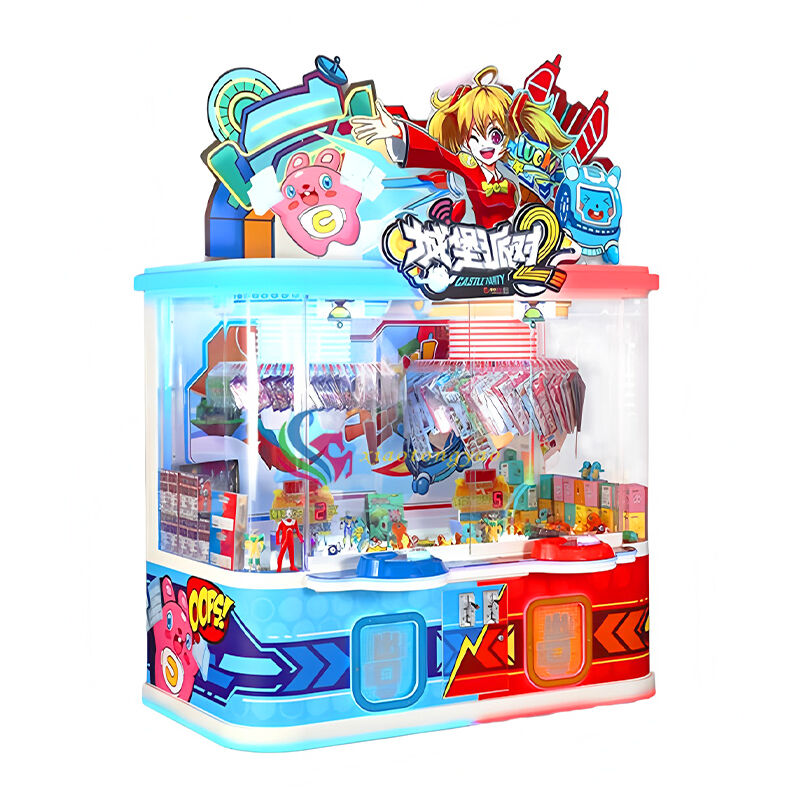
The safety revolution in children's entertainment equipment has transformed how manufacturers approach Naughty Castles design and construction. Modern facilities incorporate multiple layers of protection that address everything from physical hazards to operational safety protocols. These comprehensive safety systems ensure that children can enjoy hours of active play while parents feel confident about their wellbeing. The integration of advanced materials, thoughtful design principles, and rigorous testing standards has elevated Naughty Castles from simple inflatable structures to sophisticated entertainment systems that meet the highest safety requirements in the industry.
Structural Safety Engineering
Foundation and Anchoring Systems
The foundation of any safe Naughty Castles installation begins with proper anchoring systems that secure the structure to prevent movement or displacement during use. Professional-grade anchoring utilizes heavy-duty stakes, sandbags, or weighted bases depending on the installation surface and environmental conditions. These anchoring systems undergo regular inspection and maintenance to ensure consistent performance throughout the operational period. The engineering specifications for Naughty Castles foundations consider factors such as wind resistance, user capacity, and ground conditions to maintain stability under all normal operating circumstances.
Modern anchoring technologies incorporate multiple redundant systems that provide backup security even if one component fails. The distribution of anchor points around the perimeter ensures balanced load distribution and prevents stress concentration that could compromise structural integrity. Professional installation teams follow manufacturer specifications and local safety codes to guarantee that every Naughty Castles meets or exceeds required safety standards. Regular inspections verify that anchoring systems remain secure and functional throughout extended use periods.
Material Quality and Durability Standards
High-quality materials form the backbone of safe Naughty Castles construction, with manufacturers selecting fabrics and components that resist wear, puncture, and degradation under intensive use. Commercial-grade vinyl and reinforced seams provide exceptional durability while maintaining the flexibility necessary for safe bouncing and climbing activities. The material selection process considers factors such as UV resistance, temperature stability, and chemical resistance to ensure long-term performance in various environmental conditions. Quality control measures throughout the manufacturing process verify that every component meets strict safety and durability requirements.
Advanced material technologies in modern Naughty Castles include antimicrobial treatments that inhibit bacterial and fungal growth, promoting healthier play environments for children. Flame-retardant properties built into the fabric construction provide additional safety protection against fire hazards. The combination of strength, flexibility, and safety features in premium materials ensures that Naughty Castles maintain their structural integrity and safety performance throughout years of regular use. Manufacturers conduct extensive testing on material samples to verify performance characteristics under simulated use conditions.
Child Protection Features
Age-Appropriate Design Elements
Thoughtful design considerations in Naughty Castles ensure that different areas accommodate various age groups safely and appropriately. Separate zones within the structure provide age-specific challenges and activities that match children's developmental abilities and physical capabilities. Younger children benefit from lower climbing elements, gentler slopes, and smaller enclosed spaces that build confidence without overwhelming their abilities. Older children can access more challenging obstacles and higher elements while remaining within safe operational parameters designed for their age group.
The scaling and proportioning of elements within Naughty Castles reflect careful consideration of child anthropometrics and motor skill development. Handholds, footholds, and climbing surfaces are positioned at appropriate intervals to support natural movement patterns while preventing dangerous reaches or awkward positioning. Safety barriers and transition zones between different difficulty levels help manage the flow of children and prevent accidents caused by mismatched abilities. These design elements work together to create an environment where children can challenge themselves safely within their comfort zones.
Impact Protection and Cushioning
Advanced cushioning systems throughout Naughty Castles provide comprehensive impact protection that reduces the risk of injury from falls, collisions, or rough play. Strategic placement of extra padding in high-traffic areas and landing zones creates softer surfaces that absorb impact energy effectively. The cushioning materials used in modern installations combine resilience with durability to maintain protective properties throughout extended use periods. Multiple layers of protection ensure that children remain safe even during energetic play activities that might result in unexpected impacts.
Specialized foam inserts and air-cushioned zones provide targeted protection in areas where children are most likely to experience impacts during normal play. The engineering of these protective systems considers the dynamics of child movement and play patterns to optimize placement and effectiveness. Regular inspection and replacement of cushioning materials maintain consistent protection levels throughout the operational life of Naughty Castles. The integration of impact protection with structural elements creates seamless safety systems that don't interfere with the enjoyment of play activities.
Operational Safety Protocols
Supervision and Monitoring Systems
Effective supervision protocols for Naughty Castles operations include trained staff members who monitor play activities and enforce safety rules consistently. Supervision strategies involve positioning attendants at key observation points where they can maintain clear sight lines throughout the entire play structure. Staff training programs cover emergency procedures, conflict resolution, and age-appropriate intervention techniques that maintain safe play environments. Regular rotation schedules ensure that supervisors remain alert and attentive throughout extended operational periods.
Modern monitoring technologies enhance traditional supervision with electronic systems that track occupancy levels, monitor structural integrity, and provide automated alerts for safety concerns. Video monitoring systems create permanent records of activities and provide additional oversight capabilities for large Naughty Castles installations. Communication systems enable rapid coordination between multiple supervisors and immediate response to safety situations. The combination of human supervision and technological monitoring creates comprehensive oversight that addresses all aspects of operational safety.
Capacity Management and Flow Control
Careful management of user capacity prevents overcrowding that could lead to accidents or reduce the safety margin within Naughty Castles. Established capacity limits based on structure size, design features, and safety requirements ensure that children have adequate space for safe play activities. Entry control systems regulate the number of participants and help maintain appropriate ratios between different age groups. Clear posting of capacity limits and age restrictions helps parents and supervisors maintain safe operating conditions throughout busy periods.
Flow control measures within Naughty Castles direct movement patterns and prevent bottlenecks that could create safety hazards. Designated entry and exit points, directional indicators, and traffic management features help organize participant movement efficiently. Time limits for individual sessions ensure fair access while preventing fatigue that could increase accident risks. The implementation of these management protocols creates predictable and controlled environments that enhance safety for all participants.
Maintenance and Quality Assurance
Regular Inspection Schedules
Comprehensive inspection programs for Naughty Castles include daily safety checks, weekly detailed examinations, and periodic professional assessments that verify continued safe operation. Daily inspections focus on visible damage, proper inflation levels, secure anchoring, and cleanliness standards that affect immediate safety concerns. Weekly inspections involve more detailed examination of seams, zippers, anchor points, and structural components that might show gradual wear or deterioration. Professional inspections by qualified technicians provide thorough evaluation of all safety systems and structural elements.
Documentation systems track inspection results, maintenance activities, and any safety concerns identified during routine examinations. Standardized checklists ensure consistent evaluation procedures and help identify patterns that might indicate developing problems. Immediate response protocols address any safety issues discovered during inspections before Naughty Castles return to service. The systematic approach to inspection and documentation creates reliable safety assurance throughout the operational life of the equipment.
Preventive Maintenance Programs
Proactive maintenance strategies for Naughty Castles focus on preventing problems before they affect safety or performance. Scheduled maintenance activities include cleaning, lubrication, component replacement, and system testing that maintains optimal operating conditions. Preventive maintenance programs consider usage patterns, environmental factors, and manufacturer recommendations to optimize maintenance schedules. Professional maintenance teams use specialized tools and techniques to address the unique requirements of inflatable entertainment equipment.
Component replacement schedules ensure that critical safety elements receive attention before wear or age compromises their effectiveness. Maintenance records track the history of each Naughty Castles installation and help predict future maintenance needs. Quality replacement parts and proper installation techniques maintain the integrity of original safety features throughout the equipment lifecycle. The investment in preventive maintenance programs pays dividends in extended equipment life, reduced downtime, and consistent safety performance.
Environmental Safety Considerations
Weather Protection Measures
Weather monitoring systems for outdoor Naughty Castles installations provide real-time information about conditions that might affect safe operation. Wind speed measurements, precipitation detection, and temperature monitoring help operators make informed decisions about closing facilities during adverse conditions. Established weather protocols specify the conditions under which Naughty Castles must be evacuated and secured to protect both equipment and users. Emergency shutdown procedures enable rapid response to changing weather conditions that could create safety hazards.
Protective measures for extreme weather include securing loose components, deflating structures when necessary, and implementing evacuation procedures that prioritize participant safety. Lightning detection systems provide early warning of electrical storm activity that requires immediate facility closure. Temperature considerations address both extreme heat that could create uncomfortable or dangerous surfaces and cold conditions that might affect material flexibility. Comprehensive weather safety protocols ensure that Naughty Castles operate only under conditions that maintain acceptable safety margins.
Surface and Location Safety
Site selection and preparation for Naughty Castles installations consider factors such as surface conditions, drainage, proximity to hazards, and accessibility for emergency services. Level, stable surfaces provide the foundation necessary for safe installation and operation. Adequate clearance around the perimeter ensures that users have safe approach and exit areas while providing space for emergency access if needed. Site preparation may include surface modifications, drainage improvements, or hazard removal to create optimal installation conditions.
Ground surface materials underneath and around Naughty Castles provide additional protection against injuries from falls outside the main structure. Appropriate surface materials absorb impact energy while providing stable footing for supervisors and emergency responders. Regular inspection of surrounding areas identifies and addresses potential hazards such as debris, uneven surfaces, or obstacles that could affect safety. The integration of site safety measures with structural safety features creates comprehensive protection for all aspects of Naughty Castles operation.
FAQ
What age groups can safely use Naughty Castles
Most Naughty Castles are designed to accommodate children between ages 3 and 12, with specific zones designated for different age ranges. Manufacturers provide clear age recommendations based on structural elements, size requirements, and developmental appropriateness. Adult supervision requirements vary depending on the age of participants, with younger children requiring closer oversight throughout their play sessions. Some installations include separate areas specifically designed for toddlers, older children, or mixed-age play under appropriate supervision.
How often should Naughty Castles undergo professional safety inspections
Professional safety inspections for Naughty Castles should occur at least annually, with more frequent inspections recommended for high-usage installations or extreme environmental conditions. Some jurisdictions require quarterly or semi-annual professional inspections as part of operating permit requirements. Between professional inspections, operators should conduct daily visual checks and weekly detailed examinations to identify potential safety concerns. Any significant damage, unusual wear patterns, or safety concerns should trigger immediate professional evaluation regardless of scheduled inspection timing.
What safety certifications should parents look for in Naughty Castles facilities
Parents should look for facilities that display current safety certifications from recognized testing organizations, insurance documentation, and compliance with local safety regulations. Reputable operators will readily provide information about their safety certifications, inspection schedules, and compliance with industry standards. Look for evidence of staff training programs, posted safety rules, and clear age restrictions that demonstrate professional safety management. Facilities should also maintain current liability insurance and operating permits that verify their compliance with local safety requirements.
How do operators ensure consistent safety during peak usage periods
Effective safety management during busy periods requires adequate staffing levels, clear capacity limits, and systematic monitoring of all safety protocols. Operators should maintain appropriate supervisor-to-child ratios and implement time limits or reservation systems to prevent overcrowding. Emergency procedures should remain fully operational during peak periods, with additional staff positioned to respond quickly to any safety situations that may arise. Regular safety briefings for both staff and participants help maintain safety awareness even during busy operational periods.