
 EN
EN



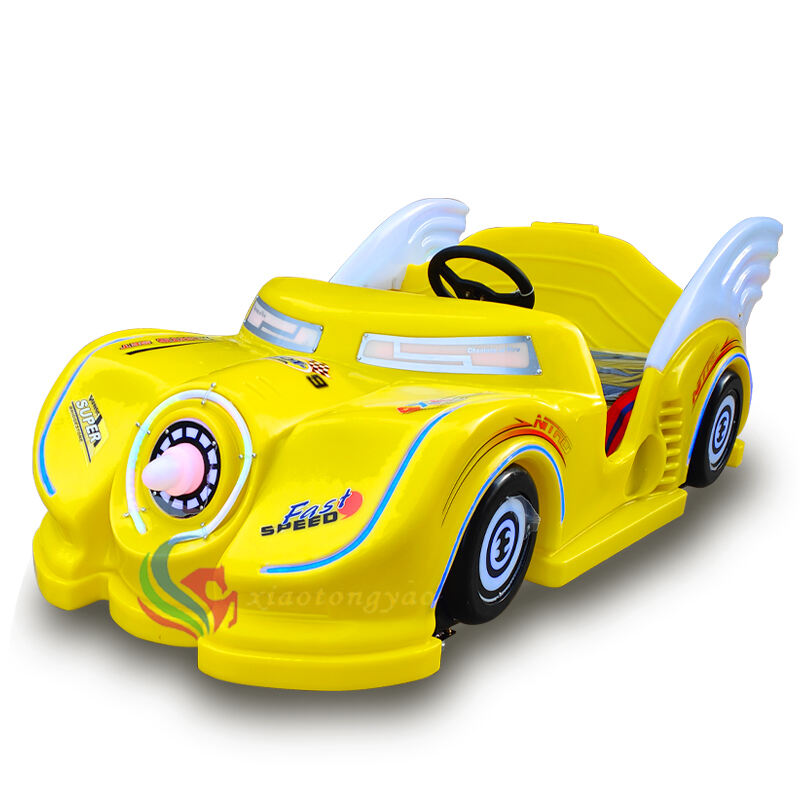
Ensuring the safety of young passengers in recreational vehicles represents a paramount concern for manufacturers, operators, and parents alike. Modern children amusement cars incorporate sophisticated safety technologies and design principles that transform entertainment experiences into secure adventures. These specialized vehicles undergo rigorous testing protocols to meet international safety standards while delivering the excitement that captivates young riders. The evolution of safety features in children amusement cars reflects decades of engineering innovation, accident analysis, and continuous improvement based on real-world operational data.
Structural Safety Design Principles
Reinforced Frame Construction
The foundation of any safe amusement vehicle begins with its structural integrity. High-grade steel frameworks provide exceptional durability while maintaining optimal weight distribution for stable operation. Advanced welding techniques ensure seamless joints that can withstand repeated stress cycles and impact forces. These frames undergo stress testing that simulates years of operational use, including extreme weather conditions and high-frequency usage patterns common in commercial environments.
Modern frame designs incorporate crumple zones that absorb impact energy during collisions, protecting occupants from sudden deceleration forces. The geometric configuration of structural elements follows automotive safety principles, creating protective cages around passenger compartments. Quality control measures include non-destructive testing methods such as ultrasonic inspection and magnetic particle testing to identify potential weaknesses before vehicles enter service.
Impact-Resistant Body Materials
Contemporary children amusement cars utilize advanced composite materials and high-impact plastics that provide superior collision protection. These materials maintain flexibility under stress while resisting cracking or splintering that could create hazardous sharp edges. The body panels undergo UV stability testing to ensure they maintain structural integrity when exposed to prolonged sunlight exposure in outdoor installations.
Fiber-reinforced polymer components offer exceptional strength-to-weight ratios while remaining cost-effective for large-scale production. The manufacturing process involves injection molding techniques that create uniform wall thickness and eliminate potential failure points. Color-fast materials ensure that safety markings and visual indicators remain clearly visible throughout the vehicle's operational lifespan.
Electrical Safety Systems
Low-Voltage Power Management
Electrical systems in children amusement cars operate at safe low voltages that eliminate electrocution risks even if components become exposed due to damage. Battery compartments feature waterproof sealing and automatic disconnection systems that activate when unauthorized access is detected. Ground fault circuit interrupters provide additional protection by instantly shutting off power when electrical leakage occurs.
Smart charging systems prevent overcharging conditions that could lead to battery overheating or gas emission. Thermal monitoring sensors continuously track component temperatures and initiate cooling protocols when safe operating limits are approached. Emergency power disconnection switches remain easily accessible to operators while being protected from accidental activation by young passengers.
Circuit Protection Mechanisms
Multiple redundant safety circuits ensure that single-point failures cannot compromise passenger safety or vehicle operation. Fuses and circuit breakers protect against overcurrent conditions while maintaining normal operation under typical load variations. Isolation transformers prevent ground loops and provide galvanic isolation between charging systems and operational circuits.
Electromagnetic compatibility testing ensures that onboard electronics do not interfere with nearby medical devices or communication equipment. Shielded wiring harnesses protect sensitive control circuits from electromagnetic interference that could cause unexpected behavior. Regular electrical inspections verify that all connections remain secure and free from corrosion or deterioration.
Speed and Motion Control Features
Progressive Acceleration Systems
Modern speed control systems prevent sudden acceleration that could startle or endanger young passengers. Electronic governors limit maximum speeds to age-appropriate levels while maintaining responsive steering and braking characteristics. Acceleration curves are programmed to provide smooth power delivery that builds confidence rather than creating anxiety in inexperienced drivers.
Torque limiting functions prevent wheel spin on wet or slippery surfaces, maintaining directional stability under various operating conditions. Remote speed override capabilities allow operators to adjust performance parameters for different age groups or skill levels. Automatic speed reduction systems activate when certain safety conditions are detected, such as proximity to barriers or other vehicles.
Emergency Stop Mechanisms
Multiple emergency stop systems provide redundant methods for bringing vehicles to controlled stops when necessary. Large, easily accessible emergency buttons remain within reach of passengers while being clearly marked with international safety symbols. Remote emergency stop capabilities allow operators to instantly disable specific vehicles or entire fleets when hazardous conditions are observed.
Progressive braking systems engage gradually to prevent passenger injury from sudden stops while ensuring adequate stopping power in emergency situations. Automatic collision avoidance systems use sensor arrays to detect potential impacts and apply corrective actions before contact occurs. Post-collision protocols automatically disable affected vehicles and alert maintenance personnel to conduct safety inspections.
Passenger Containment and Restraint
Age-Appropriate Seating Systems
Ergonomically designed seating accommodates various body sizes while maintaining proper posture and support during operation. Adjustable components allow customization for different passengers without compromising safety restraint effectiveness. High-density foam padding provides comfort while meeting fire resistance standards required for public use applications.
Seat belt systems utilize automotive-grade components designed for repeated use and easy operation by young passengers. Quick-release mechanisms allow rapid egress during emergencies while preventing accidental disengagement during normal operation. Regular inspection protocols ensure that all restraint systems maintain proper tension and secure attachment points throughout their service life.
Protective Barrier Integration
Integrated safety barriers prevent passengers from extending limbs outside the vehicle envelope while maintaining visibility and comfort. These barriers undergo impact testing to verify they can withstand forces generated by passenger movement during operation. Rounded edges and smooth surfaces eliminate potential injury hazards while maintaining an attractive appearance.
Door systems feature child-proof locks that prevent unauthorized exit while allowing immediate operator access during emergencies. Sensor systems detect when doors are not properly secured and prevent vehicle operation until all safety systems are confirmed operational. Visual and audible indicators alert operators and passengers when safety systems require attention.
Environmental and Operational Safety
Weather Resistance Capabilities
Comprehensive weatherproofing protects critical systems from moisture, dust, and temperature extremes commonly encountered in outdoor entertainment environments. Sealed electrical connections prevent corrosion and maintain reliable operation throughout various seasonal conditions. Drainage systems prevent water accumulation that could affect vehicle stability or create slip hazards for passengers.
UV-resistant materials and coatings prevent degradation that could compromise structural integrity or create safety hazards. Temperature compensation systems adjust performance parameters based on ambient conditions to maintain consistent operation and passenger comfort. Cold weather starting systems ensure reliable operation even in challenging environmental conditions.
Maintenance Safety Protocols
Comprehensive maintenance schedules specify inspection intervals and replacement criteria for all safety-critical components. Diagnostic systems continuously monitor vehicle performance and alert maintenance personnel when parameters exceed acceptable limits. Lockout/tagout procedures prevent accidental operation during maintenance activities that could endanger service personnel.
Detailed maintenance records track component replacement history and help identify potential reliability issues before they affect safety. Training programs ensure that maintenance personnel understand proper procedures for inspecting and servicing children amusement cars safely and effectively. Quality assurance protocols verify that all maintenance work meets manufacturer specifications and safety standards.
Regulatory Compliance and Standards
International Safety Certifications
Compliance with international safety standards ensures that children amusement cars meet rigorous performance criteria established by recognized safety organizations. Testing protocols evaluate structural integrity, electrical safety, and operational performance under various conditions. Third-party certification provides independent verification that vehicles meet or exceed required safety standards.
Regular audits verify continued compliance with evolving safety regulations and industry best practices. Documentation systems maintain detailed records of testing results, certification status, and compliance activities. Staff training programs ensure that operators understand regulatory requirements and maintain appropriate operational procedures.
Continuous Safety Improvement
Ongoing research and development activities focus on identifying new safety technologies and implementing improvements based on operational experience. Accident analysis programs study incident data to identify potential design improvements and enhanced safety features. Collaboration with safety experts and regulatory agencies ensures that future developments address emerging safety concerns and technological opportunities.
Feedback systems collect operational data and user experiences to guide future safety enhancements. Regular safety reviews evaluate the effectiveness of existing systems and identify opportunities for improvement. Investment in advanced safety technologies demonstrates commitment to providing the safest possible experience for young passengers and their families.
FAQ
What safety inspections should be performed before operating children amusement cars?
Daily pre-operational inspections should include checking all electrical connections, testing emergency stop systems, verifying proper operation of speed controls, and examining structural components for damage or wear. Safety restraint systems must be tested to ensure proper engagement and release functionality. Battery systems require voltage and connection checks to prevent electrical hazards during operation.
How often should safety-critical components be replaced or serviced?
Safety-critical components should follow manufacturer-specified replacement intervals, typically involving brake components every 6-12 months, electrical connections annually, and structural inspections quarterly. Battery systems require regular maintenance every 3-6 months depending on usage intensity. All safety systems should undergo comprehensive professional inspection at least annually by qualified technicians.
What training is required for operators of children amusement car facilities?
Operators should complete comprehensive training covering emergency procedures, daily safety inspections, basic maintenance tasks, and passenger safety protocols. Certification programs typically require 8-16 hours of initial training plus annual refresher courses. Training should include hands-on experience with emergency stop procedures, passenger assistance techniques, and incident reporting protocols.
How can parents evaluate the safety of children amusement car installations?
Parents should look for current safety certifications displayed prominently, observe the condition of vehicles and safety equipment, and verify that operators demonstrate knowledge of safety procedures. Well-maintained facilities will have clear safety rules posted, properly functioning emergency stops, and staff who can explain safety features and procedures. Age-appropriate vehicles and properly adjusted safety restraints indicate professional operation and safety consciousness.
Table of Contents
- Structural Safety Design Principles
- Electrical Safety Systems
- Speed and Motion Control Features
- Passenger Containment and Restraint
- Environmental and Operational Safety
- Regulatory Compliance and Standards
-
FAQ
- What safety inspections should be performed before operating children amusement cars?
- How often should safety-critical components be replaced or serviced?
- What training is required for operators of children amusement car facilities?
- How can parents evaluate the safety of children amusement car installations?