
 EN
EN



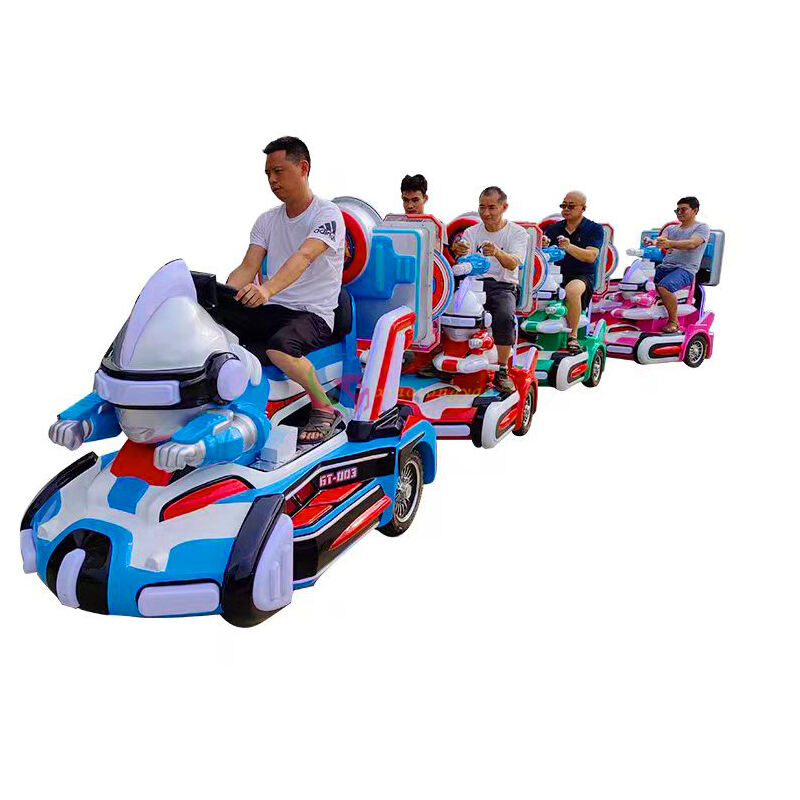
Family entertainment venues continuously seek innovative attractions that can boost visitor numbers and create memorable experiences. Among the most effective additions to any family park or entertainment center are interactive rides that appeal to multiple age groups simultaneously. Modern family parks have discovered that certain attractions not only draw initial visitors but also encourage repeat visits and extended stays, directly impacting revenue and customer satisfaction. The strategic placement of engaging rides can transform an ordinary park into a destination that families actively seek out for regular entertainment.
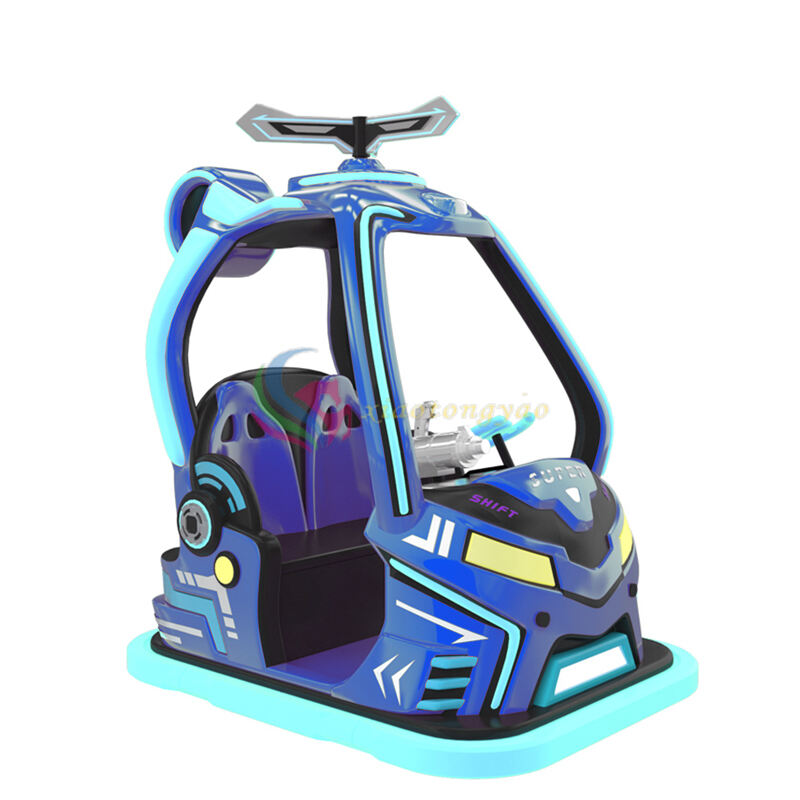
The entertainment industry has witnessed a significant shift toward interactive family experiences that encourage bonding between parents and children. Traditional playground equipment, while valuable, often segregates age groups and limits the shared experience potential. Interactive rides that accommodate both adults and children create opportunities for families to enjoy activities together, fostering stronger connections while generating positive associations with the venue. This trend has led park operators to prioritize attractions that maximize family engagement over individual entertainment options.
Impact on Family Visitation Patterns
Increased Frequency of Visits
Research indicates that family entertainment venues featuring interactive rides experience substantially higher repeat visitation rates compared to traditional playground-only facilities. Families tend to return to venues that offer novel experiences their children request repeatedly. The excitement generated by interactive rides creates anticipation that extends beyond the initial visit, with children often asking parents to return to specific venues they associate with fun and engaging activities. This psychological connection between positive experiences and venue selection drives consistent traffic patterns.
Park operators have documented that families with access to interactive rides typically visit two to three times more frequently than those using conventional playground equipment exclusively. The novelty factor plays a crucial role in maintaining interest over extended periods. Unlike static playground structures, interactive rides provide varied experiences through different operational modes, lighting effects, and musical accompaniments that keep the attraction fresh and exciting for returning visitors.
Extended Duration of Stays
Interactive attractions significantly extend the average duration of family visits to entertainment venues. Traditional playground visits often last thirty to sixty minutes before children lose interest and families move on to other activities. However, venues featuring engaging rides commonly see average visit durations extend to two hours or more, as families rotate through different activities and children request multiple sessions on preferred attractions.
The extended stays directly correlate with increased spending on concessions, additional rides, and other park amenities. Families who remain at venues for longer periods are more likely to purchase food, beverages, and souvenirs, creating additional revenue streams beyond admission fees. This economic benefit makes interactive rides particularly attractive investments for park operators seeking to maximize per-visitor revenue while improving customer satisfaction scores.
Interactive Design Benefits
Parent-Child Engagement Opportunities
Modern interactive rides are specifically designed to accommodate both adults and children simultaneously, creating shared experiences that strengthen family bonds. Unlike traditional rides that often separate age groups, these attractions encourage parents to participate actively in their children's entertainment. The cooperative nature of these experiences fosters communication, teamwork, and shared enjoyment that families value highly when selecting entertainment venues.
Children amusement cars exemplify this design philosophy by providing steering controls, interactive buttons, and safety features that allow parents and children to share the driving experience. These rides often include educational elements, such as traffic signals, road signs, and cooperative challenges that transform entertainment into learning opportunities. Parents appreciate attractions that combine fun with developmental benefits, making them more likely to choose venues that offer such comprehensive experiences.
Multi-Generational Appeal
Successful family entertainment venues recognize the importance of attractions that engage multiple generations simultaneously. Interactive rides designed for family participation often attract grandparents, parents, and children to visit together, creating larger group outings that generate higher revenue per visit. These multi-generational experiences are particularly valuable during holidays and special occasions when extended families seek activities that everyone can enjoy together.
The social aspect of interactive rides extends beyond immediate family members to include friends and community connections. Children often invite friends to join them at venues featuring exciting interactive attractions, leading to larger group visits and increased word-of-mouth marketing. Parents frequently organize playdates and birthday parties around venues that offer engaging interactive rides, creating recurring revenue opportunities for park operators.
Economic Impact on Park Operations
Revenue Generation Strategies
Interactive rides provide multiple revenue generation opportunities beyond traditional admission fees. Many parks implement token or credit systems that allow families to purchase ride experiences individually, creating flexible pricing options that accommodate different budget levels. This approach enables parks to capture revenue from visitors who might not pay full admission fees but are willing to purchase specific ride experiences for their children.
The photogenic nature of interactive rides creates additional revenue opportunities through professional photography services, video recordings, and social media content creation. Families often want to capture memories of their children enjoying special experiences, and parks can monetize this desire through premium photo packages, instant printing services, and digital media offerings. These ancillary services typically carry high profit margins and require minimal additional infrastructure investment.
Operational Efficiency Improvements
Interactive rides can significantly improve operational efficiency by concentrating visitor activity in specific areas, allowing park staff to manage crowds more effectively. Unlike sprawling playground areas that require supervision across large spaces, interactive rides create defined activity zones that are easier to monitor and maintain. This concentration of activity also facilitates better customer service delivery and safety oversight.
The automated nature of many interactive rides reduces staffing requirements compared to supervised activities or guided attractions. Once families understand the operation procedures, children amusement cars and similar attractions can operate with minimal direct supervision, allowing staff to focus on safety monitoring, maintenance, and customer assistance rather than continuous hands-on facilitation.
Safety and Design Considerations
Age-Appropriate Safety Features
Modern interactive rides incorporate comprehensive safety systems designed to protect users across different age groups while maintaining the excitement that attracts families. Speed governors, automatic braking systems, and collision detection technology ensure that children can enjoy realistic driving experiences without exposure to actual safety risks. These safety features provide parents with confidence while allowing children to develop coordination and decision-making skills in controlled environments.
The design of interactive rides often includes adjustable components that accommodate different height and age requirements within the same attraction. Steering wheels, pedals, and seating can be configured for various user sizes, ensuring that both young children and accompanying adults can participate comfortably. This adaptability extends the useful life of attractions and maximizes their appeal across broader age ranges.
Maintenance and Durability Standards
Commercial-grade interactive rides are engineered for intensive daily use in public entertainment environments. High-quality materials, robust construction methods, and weather-resistant finishes ensure that attractions maintain their appeal and functionality despite continuous operation. Regular maintenance schedules and component replacement programs help parks maintain consistent attraction availability and safety standards.
The durability of interactive rides directly impacts their long-term financial viability for park operators. Attractions that require frequent repairs or replacement significantly impact profitability, while well-constructed rides provide consistent revenue generation over extended periods. Smart park operators prioritize quality construction and proven safety records when selecting interactive attractions for their venues.
Marketing and Promotional Advantages
Social Media and Word-of-Mouth Marketing
Interactive rides generate exceptional social media content that families naturally share across digital platforms. The visual appeal, action sequences, and joyful reactions captured during ride experiences create authentic marketing content that reaches extended networks of potential visitors. Children amusement cars, with their colorful designs and engaging operation, are particularly photogenic and video-friendly, generating organic marketing content that traditional advertising cannot replicate.
Parents frequently share videos and photos of their children enjoying interactive rides, creating peer-to-peer marketing that carries higher credibility than traditional advertising approaches. These authentic endorsements influence other families' entertainment choices and drive visitation to venues featuring popular interactive attractions. The viral potential of exceptional interactive experiences can significantly expand a park's market reach without additional advertising investment.
Seasonal and Event Programming
Interactive rides provide excellent foundations for seasonal programming and special events that drive increased visitation during slower periods. Holiday-themed decorations, special lighting effects, and seasonal music can transform the same attraction into fresh experiences that encourage repeat visits throughout the year. This programming flexibility helps parks maintain consistent revenue streams across different seasons and weather conditions.
Birthday party packages, group events, and community celebrations can be built around interactive ride experiences, creating additional revenue opportunities while strengthening community connections. The memorable nature of interactive experiences makes them ideal centerpieces for special occasions that families want to commemorate with unique activities their children will remember and discuss with friends.
FAQ
What age groups can safely use interactive children amusement cars
Interactive children amusement cars are typically designed for ages 3-12, with many models accommodating adult passengers as well. Safety features like speed controls, automatic braking, and collision protection ensure safe operation across different age groups. Parents can ride alongside younger children to provide guidance and share the experience, while older children can operate the vehicles independently under supervision.
How much space do interactive ride installations require
Space requirements vary depending on the specific ride configuration and the number of vehicles in operation. A typical installation for 4-6 interactive cars requires approximately 1,500-2,500 square feet of level surface area, including vehicle operation space, safety buffer zones, and spectator areas. Indoor installations may require additional considerations for ceiling height and ventilation systems.
What maintenance is required for interactive ride equipment
Regular maintenance includes daily safety inspections, weekly deep cleaning, monthly mechanical system checks, and annual comprehensive safety audits. Battery systems require monitoring and replacement according to manufacturer schedules, while mechanical components need periodic lubrication and adjustment. Professional maintenance contracts are recommended to ensure compliance with safety standards and maintain warranty coverage.
How do interactive rides impact insurance and liability considerations
Interactive rides require comprehensive liability insurance coverage and compliance with local safety regulations and inspection requirements. Parks must maintain detailed safety protocols, staff training records, and incident reporting procedures. Working with experienced ride manufacturers and insurance providers familiar with amusement industry requirements helps ensure proper coverage and regulatory compliance while minimizing liability exposure.