
 EN
EN



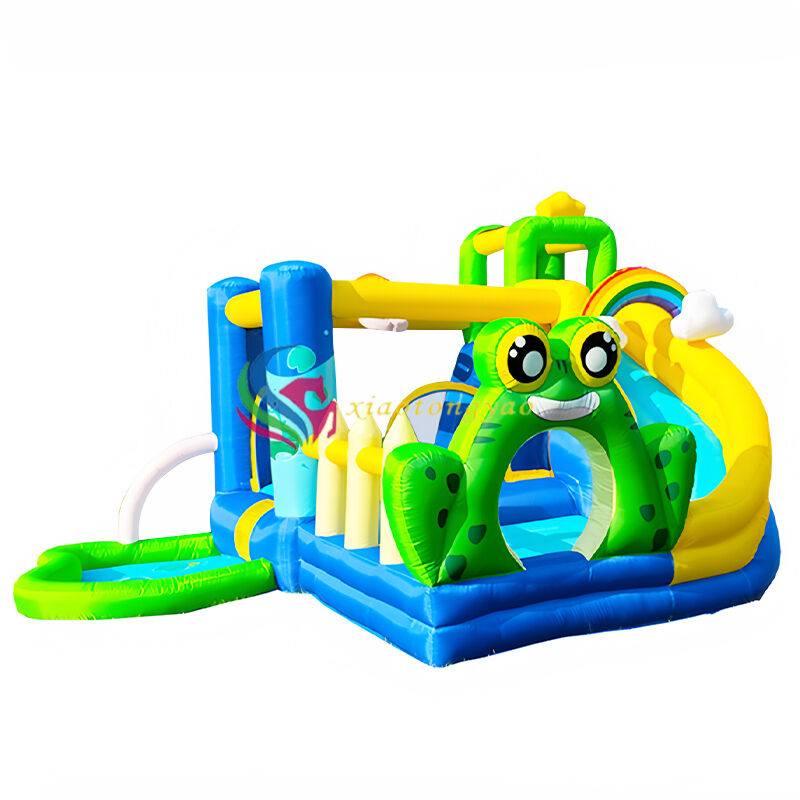
Owning an inflatable castle represents a significant investment in entertainment equipment that can provide years of joy and excitement when properly maintained. Whether you operate a rental business, manage an event venue, or simply own one for personal use, understanding the fundamentals of inflatable castle care is essential for maximizing your return on investment. Proper maintenance and storage practices not only extend the lifespan of your inflatable castle but also ensure the safety of all users while maintaining optimal performance throughout countless hours of operation.
Essential Daily Maintenance Practices
Pre-Operation Inspection Protocol
Before each use, conducting a thorough visual inspection of your inflatable castle is crucial for identifying potential issues before they become major problems. Start by examining all seams and joints, paying particular attention to high-stress areas where children typically bounce and play. Check for any signs of wear, small tears, or loose stitching that could compromise the structural integrity of your inflatable castle. This proactive approach allows you to address minor repairs immediately rather than discovering them during operation when safety could be compromised.
The blower system requires equal attention during your pre-operation inspection routine. Ensure all electrical connections are secure and examine the air intake for debris or obstructions that could reduce efficiency. Test the blower motor briefly to confirm it operates smoothly without unusual noises or vibrations. A well-maintained blower system is essential for maintaining proper inflation pressure in your inflatable castle throughout extended use periods.
Post-Use Cleaning and Assessment
After each use session, implementing a comprehensive cleaning routine ensures your inflatable castle remains hygienic and presentable for future users. Begin by removing all loose debris, leaves, and personal items that may have accumulated during play. Use a soft-bristled brush or vacuum with appropriate attachments to remove stubborn dirt and particles from textured surfaces. For deeper cleaning, mild soap solutions work effectively without damaging the material of your inflatable castle.
During the cleaning process, take advantage of the opportunity to conduct another detailed inspection. Look for any damage that may have occurred during use, including small punctures, stress points showing signs of weakness, or areas where the material appears to be thinning. Document any findings in a maintenance log to track the condition of your inflatable castle over time and identify patterns that might indicate areas requiring reinforcement or more frequent attention.
Comprehensive Cleaning Procedures
Surface Cleaning Techniques
Effective surface cleaning requires understanding the specific material composition of your inflatable castle and selecting appropriate cleaning products that provide thorough sanitization without causing damage. Most commercial-grade inflatable castles feature vinyl or PVC construction that responds well to mild detergent solutions and specialized inflatable cleaners. Avoid harsh chemicals, bleach, or abrasive cleaners that could weaken seams or cause discoloration over time.
When cleaning your inflatable castle, work systematically from top to bottom, ensuring complete coverage of all surfaces including walls, floors, and climbing features. Pay special attention to areas that receive the most contact from users, as these zones accumulate the highest concentrations of dirt, sweat, and bacteria. Use microfiber cloths or soft sponges to avoid scratching the surface while achieving thorough cleaning results.
Deep Sanitization Methods
Regular deep sanitization goes beyond surface cleaning to eliminate bacteria, viruses, and other microorganisms that standard cleaning might miss. Consider using EPA-approved sanitizing solutions specifically designed for inflatable equipment to ensure safety while maintaining the integrity of your inflatable castle materials. Apply sanitizing solutions according to manufacturer instructions, allowing appropriate contact time for maximum effectiveness before rinsing thoroughly.
During the sanitization process, focus particularly on high-touch areas such as entrance points, handholds, and sliding surfaces where transmission of germs is most likely to occur. Some operators choose to implement UV sanitization systems or ozone generators for additional antimicrobial protection, particularly in commercial settings where the inflatable castle sees heavy daily use from multiple users.
Proper Storage Fundamentals
Deflation and Preparation Process
The deflation and preparation process significantly impacts the longevity of your inflatable castle, making attention to detail during this phase essential for preventing damage during storage periods. Begin by ensuring the unit is completely clean and thoroughly dry before deflation, as trapped moisture can lead to mold, mildew, and material degradation over extended storage periods. Allow extra drying time in humid conditions or consider using fans to accelerate the process when necessary.
When deflating your inflatable castle, do so gradually and systematically to prevent unnecessary stress on seams and joints. Start by opening all air release valves simultaneously, then gently guide the deflation process by manually pressing air out of chambers in a logical sequence. This controlled approach prevents the formation of air pockets that could create pressure points and potential weak spots in the material structure.
Folding and Packing Techniques
Proper folding technique prevents creasing, stress concentration, and premature wear in your inflatable castle materials. Begin by laying the deflated unit on a clean, flat surface free from sharp objects or rough textures that could cause damage. Fold along natural seam lines when possible, avoiding creating new creases that could become permanent stress points over time. Work methodically to create uniform folds that distribute material stress evenly across the entire structure.
Pack the folded inflatable castle in breathable storage bags or containers that allow air circulation while protecting from dust, pests, and environmental contaminants. Avoid plastic bags that can trap moisture and create conditions conducive to mold growth. Include moisture-absorbing packets or cedar blocks to further protect against humidity-related damage during extended storage periods.
Environmental Storage Considerations
Temperature and Humidity Control
Environmental conditions play a critical role in maintaining the condition of your stored inflatable castle, with temperature and humidity being the most significant factors requiring careful management. Ideal storage conditions feature consistent temperatures between 50-80 degrees Fahrenheit with relative humidity levels maintained between 30-50 percent. Extreme temperature fluctuations can cause materials to expand and contract repeatedly, leading to premature aging and potential structural weaknesses in your inflatable castle.
High humidity environments pose particular risks including mold growth, mildew formation, and accelerated material degradation that can significantly reduce the lifespan of your inflatable castle. Consider investing in dehumidification equipment for storage areas that experience consistently high moisture levels, and monitor conditions regularly using digital hygrometers to ensure optimal storage environment maintenance.
Protection from Environmental Hazards
Protecting your stored inflatable castle from environmental hazards requires careful consideration of potential threats in your storage environment. Rodents and insects can cause significant damage by chewing through materials or nesting within folded structures. Implement pest control measures including sealed containers, regular inspections, and appropriate deterrents to prevent infestations that could compromise your inflatable castle integrity.
Ultraviolet radiation from sunlight can cause fading, brittleness, and material degradation even during storage periods if your inflatable castle is exposed to direct or reflected sunlight. Choose storage locations that provide complete protection from UV exposure, or use UV-blocking covers when indoor storage is not available. Additionally, protect against potential chemical exposure from nearby stored substances that could react with inflatable castle materials and cause deterioration.
Repair and Maintenance Schedule
Preventive Maintenance Timeline
Establishing a regular preventive maintenance schedule ensures your inflatable castle receives consistent attention before problems develop into costly repairs or safety hazards. Weekly inspections should focus on high-wear areas, blower system performance, and overall structural integrity. Monthly maintenance sessions provide opportunities for more thorough cleaning, detailed inspections, and minor repairs that keep your inflatable castle in optimal operating condition.
Seasonal maintenance activities should include comprehensive inspections, deep cleaning, minor repairs, and preparation for upcoming periods of heavy use or extended storage. Annual professional inspections by qualified technicians can identify potential issues that might not be apparent during routine maintenance, providing expert assessment of your inflatable castle condition and recommendations for extending its operational lifespan.
Repair Kit Essentials
Maintaining an adequate repair kit ensures you can address minor issues immediately before they compromise the safety or functionality of your inflatable castle. Essential repair supplies include vinyl patches in various sizes, specialized adhesives designed for inflatable materials, cleaning solvents for surface preparation, and basic tools for accessing repair areas. Quality repair materials specifically designed for inflatable castle applications provide superior adhesion and longevity compared to generic alternatives.
Train staff members or family members in basic repair techniques so they can address minor punctures or seam separations promptly. Document all repairs in a maintenance log to track patterns and identify areas that may require reinforcement or professional attention. Consider keeping backup repair kits in multiple locations to ensure immediate access when repairs are needed during operation or setup procedures.
Long-Term Preservation Strategies
Material Protection Methods
Long-term preservation of your inflatable castle requires implementing strategies that protect against the gradual effects of aging, environmental exposure, and normal wear patterns. UV protection treatments can significantly extend material life by preventing sun-induced degradation during outdoor use. Apply protective coatings according to manufacturer specifications, typically on an annual basis or as recommended based on usage intensity and environmental exposure levels.
Consider implementing rotation schedules if you own multiple inflatable castle units, allowing individual units to rest between intensive use periods. This practice reduces accumulated stress and wear while providing backup equipment availability. Regular professional inspections and maintenance by qualified technicians can identify developing issues before they require major repairs, ultimately extending the operational life of your inflatable castle investment.
Documentation and Record Keeping
Comprehensive documentation supports effective long-term maintenance by providing historical data on repairs, maintenance activities, and performance trends. Maintain detailed logs including setup and takedown times, weather conditions during use, user capacity levels, and any incidents or issues that occur. This information helps identify patterns that might indicate the need for operational changes or equipment modifications to improve longevity.
Keep warranty information, repair receipts, and maintenance records organized and easily accessible for reference during future service needs. Digital photography documenting the condition of your inflatable castle before and after major maintenance activities provides visual references that can be valuable for insurance claims, warranty issues, or resale situations. Regular documentation also demonstrates proper care to potential buyers if you eventually decide to upgrade to newer equipment.
FAQ
How often should I inspect my inflatable castle for damage or wear
Inspect your inflatable castle before and after each use, focusing on seams, high-wear areas, and the blower system. Conduct more thorough monthly inspections that include detailed examination of all surfaces, anchor points, and safety features. Annual professional inspections by qualified technicians can identify issues that might not be apparent during routine checks, ensuring your inflatable castle remains safe and functional for years of enjoyment.
What is the best way to dry an inflatable castle before storage
Ensure complete drying by allowing your inflatable castle to air dry in a well-ventilated area for several hours after cleaning. Use fans to accelerate the drying process, particularly in humid conditions or when time is limited. Pay special attention to seams, pockets, and enclosed areas where moisture can become trapped. Even minimal residual moisture can lead to mold and mildew growth during storage, so thorough drying is essential for maintaining the integrity of your inflatable castle.
Can I store my inflatable castle outside during winter months
Outdoor storage is not recommended for inflatable castle equipment due to exposure to temperature extremes, precipitation, UV radiation, and potential pest damage. If indoor storage is not available, use a weatherproof storage building or high-quality outdoor storage container that provides complete protection from environmental elements. Ensure proper ventilation to prevent moisture buildup while maintaining protection from direct weather exposure that could damage your inflatable castle materials.
What should I do if I discover small tears during inspection
Address small tears immediately using appropriate repair materials designed specifically for inflatable castle construction. Clean the damaged area thoroughly, apply the patch according to manufacturer instructions, and allow adequate curing time before use. Document all repairs in your maintenance log and monitor repaired areas closely during subsequent inspections. If tears are located in high-stress areas or appear to be growing, consult with professional repair services to ensure proper reinforcement and prevent further damage to your inflatable castle.