
 EN
EN



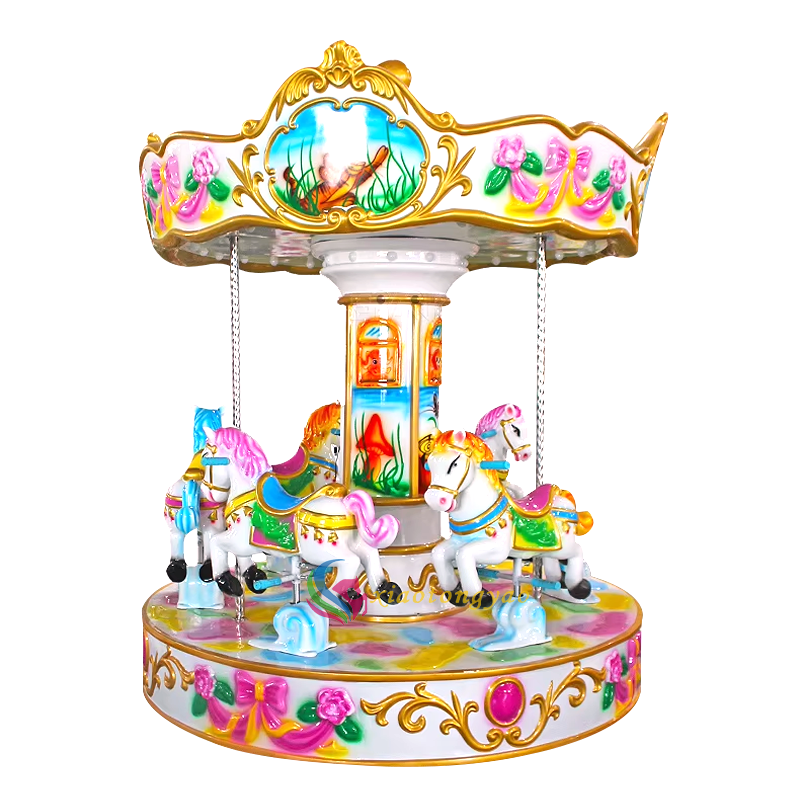
Aisialdi-parkeen industria jarraitzen du bilatzen modu berriak bisitariak erakartzeko eta diru-sarrerak iraunkorrak sortzeko. Parke modernoek presio handia jasaten dute lehia-merkatu batean bereizteko, non bezeroen itxaropenak etengabe igo egiten diren. Kanpoko aisialdi-gailu kalitatezkoen inbertsioa erabaki estrategikoa da, parkeak errekreazio-espazio arruntetatik gogoragarriak diren entretenimendu-lekuetara bihurtzeko, eta horrek bisita errepikatuak sustatzen ditu eta hitzezko marketing positiboa sortzen du.
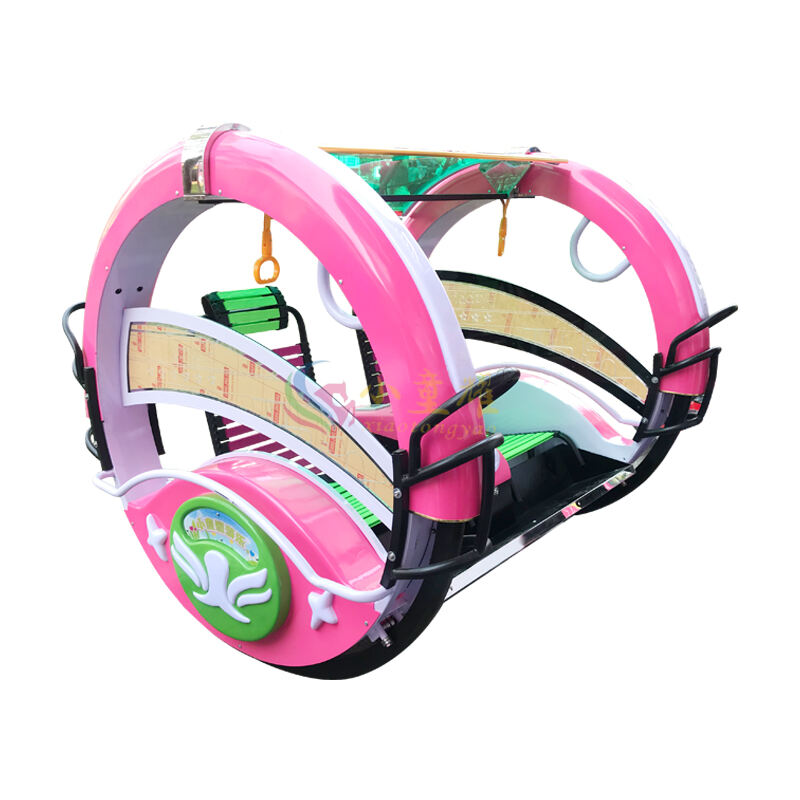
Parke modernoen ekonomiako abantailak
Diru-sarrerak sortzea eta inbertsioko errentagarritasuna
Jolasteko kanpoko instalazioek parkeen diru-sarrerak sortzeko funtzio nagusia dute, sarrera-txartelak, ibilgailuen txartelak eta bisitarien gastu gehigarriak bidez. Kalitatezko instalazioek, normalean, diru-sarrera-egonkorra sortzen dute, hasierako inbertsio kapitala justifikatuz arrazoizko itzulera-denboran. Kanpoko jolasteko instalazioen portfoliok aniztasuna duten parkeek, askotan, bisitari bakoitzaren gastua handitzen dute, jaitsiera-guneetan denbora luzeagoan egoten direlako eta bisita guztian zehar atrakzio desberdinetan parte hartzen dutelako.
Inbertsio-analisiek erakusten dute kanpoko jolasteko instalazio ondo mantendutakoek hamarkadak behar dituztela irabazteko, mantentze-prozedura egokiak aplikatuz. Instalazioen ekoizleek, gero eta gehiago, modularrak diren osagaiak eta erabilgarritasun-aldaketa-bideak dituzten ibilgailuak diseinatzen ari dira, segurtasun-estandarrak mantenduz bitartean, erabilgarritasun-aldaketa-bideak luzatuz. Hurbilketa honek parkeen eragileei inbertsioan duen irabazia maximizatzea ahalbidetzen die, kontsumitzaileen hobespen aldaketa eta aurrerapauso teknologikoak egokitzeko aukera emanez.
Errendimendu Operatiboa eta Kostu Kudeaketa
Jarduera kanpoko entretenimendu-gailu modernoek kontrol-sistema aurreratuak barnebiltzen dituzte, eragiketa-lan-eskakizunak murrizten dituztenak eta segurtasunaren gaineko monitorizazio-gaitasunak hobetzen dituztenak. Sistemak automatikoek erabilera-ereduak, mantentze-programak eta errendimendu-neurriak jarraitzeko aukera ematen dute, erabaki eragikorrak datuetan oinarrituta hartzea ahalbidetuz. Teknologia-hauek parkeko eragileei langile-mailak optimizatzea eta gailuen gaineko zaintza eta mantentzearekin lotutako kostu eragikor luze-terminokoak murriztea ahalbidetzen die.
Gaur egungo jarduera kanpoko entretenimendu-gailuen diseinu energi-eraginkorrak erabilera-kostuak murrizten dituzte eta iraunkortasun ingurumenalaren helburuak lortzen laguntzen dute. Fabrikatzaile askok gaur egun energia-kontsumoaren optimizazioari lehentasuna ematen diote eta enpresa-iraunkortasun-iniziatibekin bat datorren energia berriztagarrien integratzeko aukerak sartzen dituzte, aldi berean eragiketa-kostuak murriztuz.
Bisitarien Esperientziaren Hobetzeko Estrategiak
Gogoragarriak diren entretenimendu-esperientziak sortzea
Jolasteko kanpoko materialen antolaketa estrategikoa ingurune immersiboak sortzen ditu, bisitariak zentzu anitzetan ekiditen dituena. Materialen hautaketa arduratsua demografiaren aniztasuna kontuan hartzen du, familia-unitateetako adin-talde eta interes-maila desberdinetarako erakargarriak izatea bermatuz. Jolasteko kanpoko materialen hedapenerako hurbilketa osatu honek parkearen erabilera gehienekortzen du, aldi berean familiartasunaren eta harreman sozialen sendotzea ahalbidetzen duten esperientzia partekatuak sortuz.
Gaur egungo materialen ezaugarri interaktiboek harreman soziala sustatzen dute eta argazkiak partekatzeko aukerak eskaintzen dituzte, marketing-eraginkortasuna hedatuz gizarte-sareetako promozio organikoaren bidez. Bisitariak naturalki dokumentatzen eta momentu emozionagarriak partekatzen dituzte, marketing-edukia autentikoa sortuz, etorkizuneko bisitari potentzialak eragiten dituena eta iragarki gehigarriak ez erabiliz markaren ezagutaraztea sustatzen duena.
Segurtasun-estandarrak eta bezeroen konfiantza
Gaur egungo kanpoko entretenimendu-ekipamenduak nazioarteko segurtasun-estandar zorrotzak betetzen ditu, eragileak eta bisitariak babesten ditu eta parkeko eragiketak fidagarriak izatea bermatzen du. Segurtasun-ezaugarri ikusgaiak eta eragiketa-prozedura gardentasuna gonbidatuen ongizateari eta arautze-oharrak betetzeari buruzko konpromisoa erakusten dute. Segurtasunaren arloan duten famatu horrek familia eta enpresen taldeak erakartzen ditu, entretenimendu-lekuak aukeratzean arriskuen kudeaketa lehenetsi artean.
Gaur egungo ekipamenduetako monitorizazio-sistema aurreratuak segurtasun-datuak erreala den unean ematen ditu eta mantentze aurreikusia egiteko abisuak bidaltzen ditu, ekipamenduen hondatzea saihesteko eta eragiketa-konponketa egonkorra bermatzeko. Sistema horiek bisitarien esperientzia positiboa hobetzen dute etenaldiak gutxituz eta erabilgarritasun fidagarria mantenduz erakargarri nagusietarako sarbidea, garai guztiz aktiboetan barne.
Markoaren desberdintzea eta abantaila lehiakorrak
Erakarpen bakarra garatzea
Bereziagoen inbertsioa osasuneko jolas-instalazioak erakarpen-eremu bereziak sortzen ditu parkeak lehiakideetatik bereizteko eta marka-identitate bakarrak ezartzeko. Instalazio pertsonalizatuak eta gaia duen inguruneak bisitarien artean harreman emozionalak garatzen dituzte, entretenimendu sinplearen balioa gaindituz. Ezaugarri berezi hauek marketingaren eremuko erreferentzia-puntu bihurtzen dira, turismoa bultzatzen dutenak eta parkeak eskualdeko helmuga-eremu gisa ezartzen dituztenak.
Atzerriko entretenimendu-ekipoen diseinuan berrikuntza egiteak parkeei esperientzia berriak aurkeztea ahalbidetzen die, eta horrek hedabideen arreta erakartzen du, iragarki tradizionalen inbertsioetan oinarritutako balio publizitarioa baino handiagoa sortuz. Instalazio bakarrak maiz erreferentzia-puntu bihurtzen dira, komunitatearen gazteria hobetzeko eta esperientzia bakarrak eskaintzen ez dituzten beste leku batzuetatik etorritako bisitariak erakartzeko.
Denboraldiaren Arauerako Egokitzapena eta Urte Osoan Zeharreko Erabilera
Eguraldiaren aurkako kanpoko entretenimendu-ekipamendua erabilgarritasun-denboraldia luzatzen du eta irabazien potentziala maximizatzen du klima-baldintza desberdinetan zehar. Kanpoko ingurunetarako diseinatutako ekipamenduak funtzionamendu eta itxura mantentzeko babesa ematen duten ezaugarriak ditu, eguraldi-baldintza aldatzen diren arren. Irabazteko gaitasun hau denboraldiko itxierak murrizten ditu eta erabilgarritasun-denboraldia luzatzean diru-sarrerak konstante mantentzen ditu.
Ekipamendu-konfigurazio malguak parkeei erakunde-antolamendua egokitzeko aukera ematen die denboraldiko ekitaldietarako, funtzio pribatuetarako eta ospakizun berezietarako, irabazien aukera gehigarriak sortuz. Kanpoko entretenimendu-ekipamendu modularren sistemak beharrezko erabilgarritasun-baldintza guztiak betez, segurtasun-estandarrak eta bisitarien erakargarritasuna mantenduz, berrantolamendu azkarra ahalbidetzen dute.
Hiru urteko estrategiaren planifikazioaren kontuan hartu beharreko gaiak
Teknologia-integrazioa eta etorkizunerako prestatzea
Teknologia adimendunaren integrazioa aire librereko entretenimendu-ekipoetan aukera sortzen ditu gonbidatuen zerbitzuak hobetzeko, eragiketa-analitika egiteko eta mantentze aurreikusgarriaren protokoloak ezartzeko. Ekipamendu-gune modernoek softwarearen eguneraketak eta ezaugarri berriak gehitzeko aukera ematen dute, funtzionamendu-bizitza luzatzeko ekipamendu osoa ordezte beharrik gabe. Teknologia-flexibilitate honek inbertsio luze-terminokoak babesten ditu, aldi berean bisitarien esperientziak jarraian hobetzea ahalbidetuz.
Aire libreko entretenimendu-ekipo aurreratuenean datuen bildura-ahalmenek bisitarien portaera-ereduak, hobespen-joerak eta eragiketa-optimizazio-aukerak aztertzeko informazio baliosoak ematen dituzte. Parke-eragileek informazio hau erabil dezakete ekipamendu-inbertsio etorkizunekoak, estrategia-marketingak eta eragiketa-egokitzapenak zehazteko, irabazitasuna eta gonbidatuen satisfaction-neurriak hobetzeko.
Bereztasuna eta Ingurumen Erantzukizuna
Ingurumenean kontzientzia duten kanpoko entretenimendu-gailuen diseinua kontsumitzaileen eskaria asetzen du, hau da, entretenimendu-aukera iraunkorrak behar dituztenekoa, eta aldi berean eragin ingurumenal operatiboa murrizten du. Sistema energiaren erabilera efizienteak, berriz erabil daitezkeen materialak eta lurrazalaren perturbazio gutxien behar duten ezaugarriak erantzuten dute eragin sozial korporatuei buruzko helburuei eta ingurumenean kontzientziadun demografikoen segmentuetara erakartzen dituzte.
Kanpoko entretenimendu-gailuen praktika iraunkorrak komunitateen arteko harreman positiboen eta arautze-egiaztapenen sustengua ematen dute, eta, era berean, baliteke ingurumen-laguntzak eta ziurtagiririk lortzeko baldintzak betetzea. Ziurtagiri hauek markatze-posizionamendua hobetzen dute eta bisitariak erakartzen dituzte, hau da, entretenimendu-lekuak aukeratzerakoan ingurumen-arreta izatea lehentasun gisa jartzen dutenak.
Inplementazioa eta hornitzaile hautapenaren gidalerroak
Kalitatearen ebaluazioa eta zaintza egokia
Hornitzaileen balorazio prozesu zehatzek ziurtatzen dute kanpoko entretenimendu-ekipoen inbertsioak errendimenduaren itxaropenak eta segurtasun-erregulazioak betetzen dituela eragin luzatua den bitartean.
Kanpoko entretenimendu-ekipoen eragile unekoekin egindako erreferentzia-egiaztapenek informazio baliotsua ematen dute errealitateko errendimendu-ezaugarrietan, mantentze-aldaketetan eta erabilera luzean sortutako kostuetan, guzti horiek inbertsio osoaren kalkuluak eragiten dituelarik. Instalazioen bisita zuzenak eta ekipoen demostrazioak erabaki argiak hartzea ahalbidetzen dute errendimendu erreala behatuz, ez promozio-materialen arabera soilik.
Instalazioaren Planifikazioa eta Tokiaren Preparazioa
Tokiko estrategiaren planifikazioak kanpoko entretenimendu-gailuen kokapena optimizatzen du eraginkortasun operatiborako, bisitarien fluxua kudeatzeko eta etorkizuneko hedapenerako ahalmenak hobetzeko. Tokiko azterketa profesionalak infraegituraren egokitasuna, urezko isurketaren kontuan hartzea eta sarbideragarritasunaren arauetara egokitzeko beharrak bermatzen ditu, instalazio-prozesuaren zehar edo ondoren aldaketa garestiak saihesteko.
Agintari lokal eta erregulatzaileekin koordinatzeak onartze-prozesuak errazten ditu eta kanpoko entretenimendu-gailuen instalazioak tokiko erabilera-eremuen arauetara, segurtasun-arauetara eta ingurumena babesteko estandarretara egokitzeko bermatzen du. Erakunde pertinenteekin goizko harremanak atzerapenak eta itxarongabeak izan daitezkeen betebeharren kostuak saihesten dituzte, proiektuaren aurrekontua eta epeak eragin ditzaketenak.
Ohiko galderak
Zein faktorek erabakitzen dute kanpoko entretenimendu-gailuen inbertsioaren irabazi-errendimendua
Kanpoko entretenimendu-ekipoen inbertsioaren errendimendua jatorrizko erosketa-kostuetan, instalazio-gastuetan, mantentzea eta langileak barne hartzen dituzten eragiketa-gastuetan, diru-sarrerak sortzeko gaitasunean eta ekipoen bizi-iraupenean oinarritzen da. Parkeek normalean hiru urtetik zazpi urtera arteko itzulera-denborak aztertzen dituzte bisitari-kopuruaren iragarpenen, sarrera-prezioen estrategien eta denboraldiko eragiketa-egutegien arabera. Faktore gehigarriak finantziazio-baldintzak, aseguru-gastuak eta ekitaldi berezietatik edo erreserba pribatuetatik lortutako diru-sarrera potentzialak dira.
Nola eragiten dute segurtasun-arauak kanpoko entretenimendu-ekipoen hautapenean
Segurtasun-arauak eragin nabarmena dute tresneria-hautapenean, bete beharreko betekizun obligatuak, inspekzio-zerrendak, eragileentzako prestakuntza-estandarrak eta ziurtagirien kontuak barne hartuta. Tresneriak kokapenaren arabera ASTM, EN edo berdina den beste ziurtagiri batzuk bezalako segurtasun-arau lokal eta internazionalak bete edo gainditu behar ditu. Segurtasun-inspekzio erregularrak, mantentze-prozedurak eta eragileentzako ziurtagirien programak ohikoak dira, eta horrek eragin handia du tresneriaren hasierako kostuetan eta eragiketa-jardueretan zehar egiten diren gastu etengabeetan.
Zein dira parke-eragileek espero beharreko mantentze-aldaketak
Jolastoki kanpokoak erabiltzeko ekipamenduak mantentzeko, segurtasun-estandarrak eta errendimendu optimoa bermatzeko, erregulartasunezko mantentze-prebentiboa, eguneroko eragiketa-inspekzioak, denboraldi-berrikuntzak eta osagaien ordezkapen-programak behar dira. Mantentze-aldaketak ekipamendu-mota bakoitzaren arabera aldatzen dira, baina normalean lubrifikazio-programak, sistema elektrikoaren egiaztapenak, egitura-inspekzioak eta desgaste-osailei buruzko monitorizazioa barne hartzen dituzte. Erabilizleek ekipamenduaren balioaren %5etik %15era arteko mantentze-kostuak aurreikusi behar dituzte urtero, erabilera-maila eta ingurumen-baldintzen arabera.
Nola bermatu dezakete parkeek jolastoki kanpokoak luzaroan lehiakorrak izatea
Lehiakortasun luze-terminoko beharra estrategiako planifikazioa eskatzen du, hau da, instalazioen eguneraketarako, teknologiaren integratzearako eta bisitarien interesaren eta merkatuaren garrantziaren mantentzeko erakunde-aldaketak. Parkeek urte askotarako kapitalaren hobekuntzarako planak garatu behar dituzte, instalazio berrien inbertsioak orekatuz existitzen diren erakundeen hobekuntzarekin eta ingurune tematikoaren eguneraketekin. Industriako joerak, bezeroen iritzia eta lehiakideen egoeran gertatutako aldaketak aztertzeak laguntzen du instalazioen eguneraketaren denbora eta hautaketa zehazteko, merkatuaren erakargarritasuna eta eragiketen irabazitasuna gehienetara eramateko.
Edukien zerrenda
- Parke modernoen ekonomiako abantailak
- Bisitarien Esperientziaren Hobetzeko Estrategiak
- Markoaren desberdintzea eta abantaila lehiakorrak
- Hiru urteko estrategiaren planifikazioaren kontuan hartu beharreko gaiak
- Inplementazioa eta hornitzaile hautapenaren gidalerroak
-
Ohiko galderak
- Zein faktorek erabakitzen dute kanpoko entretenimendu-gailuen inbertsioaren irabazi-errendimendua
- Nola eragiten dute segurtasun-arauak kanpoko entretenimendu-ekipoen hautapenean
- Zein dira parke-eragileek espero beharreko mantentze-aldaketak
- Nola bermatu dezakete parkeek jolastoki kanpokoak luzaroan lehiakorrak izatea