
 EN
EN



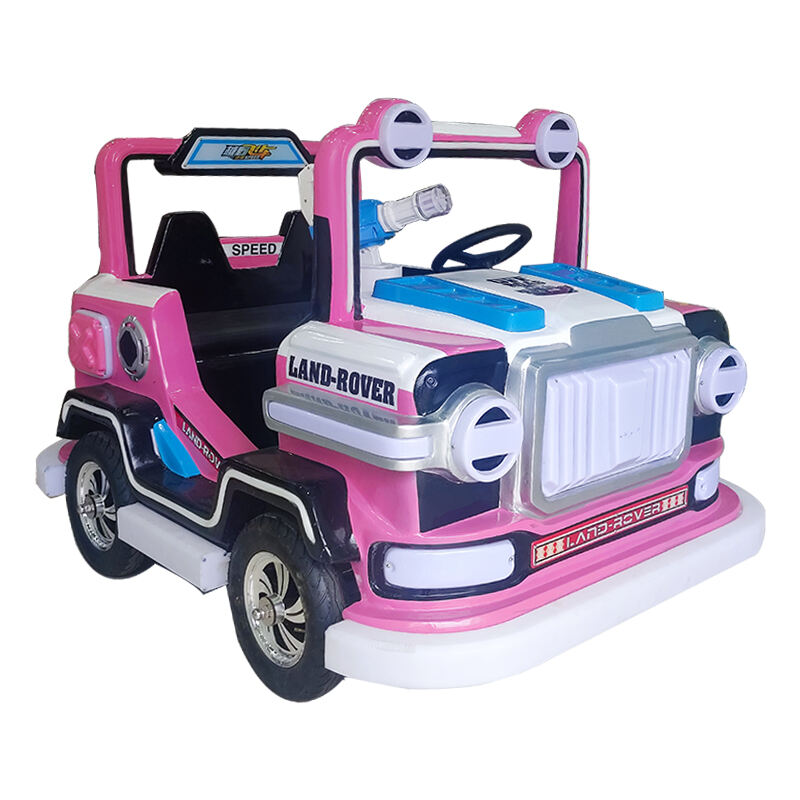
The amusement industry has witnessed remarkable growth in recent years, with coin-operated amusement cars emerging as one of the most lucrative investments for entertainment venue owners. These colorful, engaging vehicles have transformed shopping malls, theme parks, and family entertainment centers into profitable enterprises. Understanding the factors that drive their profitability can help business owners make informed decisions about incorporating these attractions into their venues.
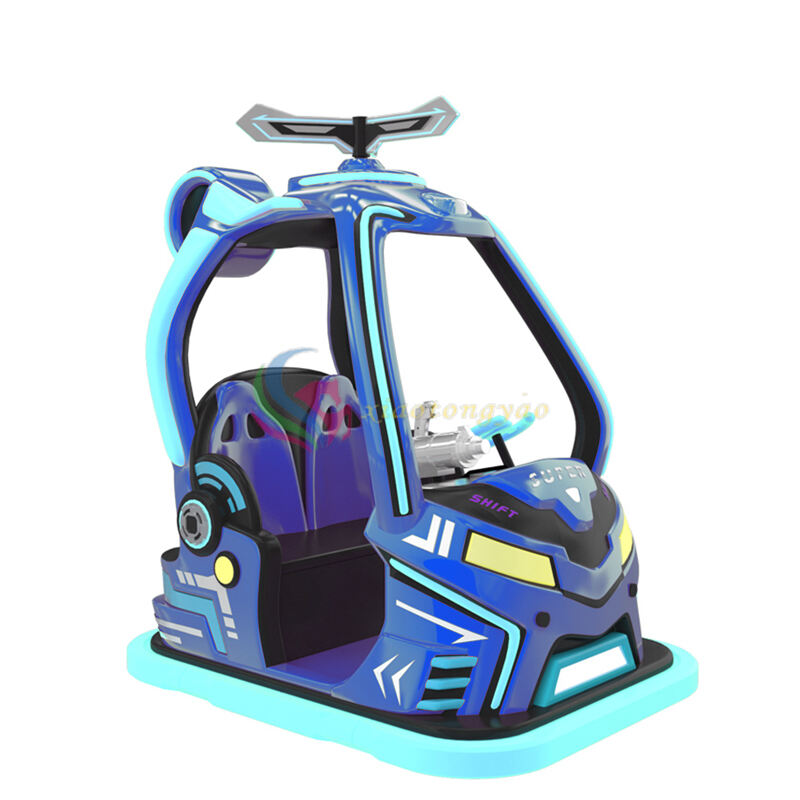
The appeal of coin-operated amusement cars extends beyond their immediate entertainment value. These rides represent a perfect intersection of childhood nostalgia, interactive play, and revenue generation. Parents readily invest in experiences that bring joy to their children, while venue operators benefit from consistent cash flow and minimal operational complexity. The success of these attractions stems from their ability to create memorable experiences while maintaining cost-effective operations.
Revenue Generation Models
Per-Ride Pricing Strategies
The fundamental revenue model for coin-operated amusement cars relies on per-ride pricing, typically ranging from one to five dollars depending on the location and ride duration. This pricing structure creates predictable income streams that allow operators to calculate return on investment with remarkable accuracy. Premium locations such as upscale shopping centers can command higher prices due to increased foot traffic and demographic spending patterns.
Dynamic pricing strategies further enhance profitability by adjusting rates based on peak and off-peak hours. Weekend and holiday periods often see increased demand, justifying premium pricing that maximizes revenue during high-traffic periods. Smart operators implement flexible pricing models that respond to market conditions while maintaining customer satisfaction and repeat business.
Volume-Based Revenue Optimization
High-traffic locations generate substantial revenue through volume-based operations, where coin-operated amusement cars can serve hundreds of customers daily. Strategic placement in areas with natural congregation points, such as near food courts or main entrances, significantly increases ride frequency and overall revenue generation. The key lies in maximizing utilization rates during operational hours.
Seasonal variations play a crucial role in revenue optimization, with indoor locations providing year-round consistency while outdoor installations may experience weather-related fluctuations. Successful operators develop strategies to maintain steady customer flow regardless of external factors, including promotional campaigns and partnership agreements with nearby businesses.
Operational Cost Advantages
Minimal Staffing Requirements
One of the most significant advantages of coin-operated amusement cars lies in their minimal staffing requirements. Unlike traditional amusement rides that require dedicated operators, these self-service attractions function autonomously once activated. This reduction in labor costs significantly improves profit margins while eliminating scheduling complexities and reducing operational overhead.
The automated nature of these rides means that a single maintenance technician can oversee multiple units across different locations. Remote monitoring capabilities allow operators to track performance, identify maintenance needs, and optimize operations without constant on-site presence. This scalability factor enables business expansion without proportional increases in staffing costs.
Energy Efficiency and Maintenance
Modern coin-operated amusement cars incorporate energy-efficient technologies that minimize operational costs while maximizing performance. LED lighting systems, efficient motor designs, and smart power management reduce electricity consumption significantly compared to older ride technologies. These efficiency improvements translate directly into higher profit margins over the equipment lifespan.
Preventive maintenance programs ensure optimal performance while minimizing unexpected repair costs. Quality manufacturers provide comprehensive maintenance schedules and readily available replacement parts, reducing downtime and maintaining consistent revenue generation. The robust construction of professional-grade amusement cars results in extended operational lifespans, further improving return on investment calculations.
Market Demand and Customer Appeal
Universal Age Appeal
The broad demographic appeal of coin-operated amusement cars contributes significantly to their profitability. These attractions successfully engage children across various age groups, from toddlers requiring parental assistance to older children seeking independent play experiences. This wide appeal ensures consistent customer demand throughout different times of day and seasons.
Parent-child bonding opportunities created by these rides generate additional value beyond simple entertainment. Many coin-operated amusement cars accommodate both children and adults, encouraging family participation that justifies higher spending and creates positive associations with the venue. This emotional connection drives repeat visits and word-of-mouth marketing.
Location Versatility
The adaptability of coin-operated amusement cars to various venue types expands market opportunities significantly. Shopping malls, restaurants, arcade centers, and outdoor festivals all provide suitable environments for these attractions. This versatility allows operators to diversify their portfolio across multiple locations, reducing risk while maximizing revenue potential.
Indoor and outdoor models offer different advantages depending on location requirements and climate considerations. Weather-resistant outdoor units extend operational seasons in temperate climates, while indoor models provide year-round consistency. Strategic placement decisions based on foot traffic patterns and demographic analysis optimize profitability across different venue types.
Technology Integration and Innovation
Digital Payment Systems
Modern coin-operated amusement cars increasingly integrate digital payment systems that enhance customer convenience while improving revenue tracking. Contactless payment options, including credit cards and mobile payments, remove barriers to purchase and accommodate changing consumer preferences. These systems also provide valuable data analytics for optimizing operations and pricing strategies.
Advanced payment systems reduce the need for physical coin collection and minimize security concerns associated with cash handling. Automated revenue tracking provides real-time performance data that enables operators to make informed decisions about maintenance scheduling, pricing adjustments, and expansion opportunities.
Interactive Features and Customization
Enhanced interactive features distinguish premium coin-operated amusement cars from basic models, justifying higher pricing and improving customer satisfaction. Sound systems, lighting effects, and motion simulation create immersive experiences that encourage repeat usage and positive customer reviews. These features also enable themed customization that aligns with venue branding and target demographics.
Customization options allow operators to differentiate their offerings and create unique attractions that stand out in competitive markets. Seasonal themes, character licensing, and venue-specific modifications enhance appeal while supporting premium pricing strategies that maximize profitability.
Return on Investment Analysis
Break-Even Calculations
Professional-grade coin-operated amusement cars typically achieve break-even points within twelve to eighteen months under optimal operating conditions. This rapid payback period makes them attractive investments compared to many traditional amusement rides that require longer recovery periods. Careful analysis of location demographics, traffic patterns, and pricing strategies enables accurate ROI projections.
Initial investment costs vary based on ride complexity, manufacturer quality, and additional features, but competitive financing options and manufacturer support programs reduce barriers to entry. Operators can minimize risk through pilot programs and gradual expansion strategies that validate market demand before significant capital commitments.
Long-Term Profitability Factors
Extended operational lifespans of quality coin-operated amusement cars contribute to long-term profitability through consistent revenue generation over multiple years. Proper maintenance and periodic updates ensure continued appeal while protecting initial investments. Strategic reinvestment in newer models and expanded fleets compounds returns over time.
Market expansion opportunities, including franchise development and multi-location operations, provide scalable growth paths that leverage initial success. Experienced operators often develop expertise that enables them to optimize new locations more quickly, accelerating payback periods and improving overall portfolio performance.
FAQ
What factors determine the profitability of coin-operated amusement cars
The profitability of coin-operated amusement cars depends on several key factors including location foot traffic, pricing strategy, operational efficiency, and maintenance costs. High-traffic venues with appropriate demographics typically generate the most consistent revenue, while proper pricing aligned with local market conditions maximizes income per ride. Minimizing operational costs through efficient maintenance and energy management directly impacts profit margins.
How long does it typically take to recover the initial investment
Most operators recover their initial investment in coin-operated amusement cars within twelve to eighteen months under optimal conditions. This timeframe depends on factors such as location quality, ride utilization rates, and operational efficiency. Premium locations with high foot traffic may achieve faster payback periods, while less optimal locations might require longer recovery times but still maintain profitability over the equipment lifespan.
What ongoing costs should operators expect
Ongoing costs for coin-operated amusement cars include electricity consumption, routine maintenance, occasional repairs, and location rental fees where applicable. Energy-efficient modern units minimize electrical costs, while preventive maintenance programs reduce unexpected repair expenses. Insurance, periodic deep cleaning, and software updates for payment systems represent additional operational considerations that should be factored into profitability calculations.
Are there seasonal variations in revenue for these attractions
Seasonal revenue variations depend largely on location type and climate factors. Indoor installations typically maintain consistent year-round performance, while outdoor units may experience weather-related fluctuations. Holiday periods and school vacations often generate increased revenue due to higher family activity levels. Successful operators develop strategies to maximize peak season profits while maintaining steady income during slower periods through promotional activities and strategic partnerships.