
 EN
EN


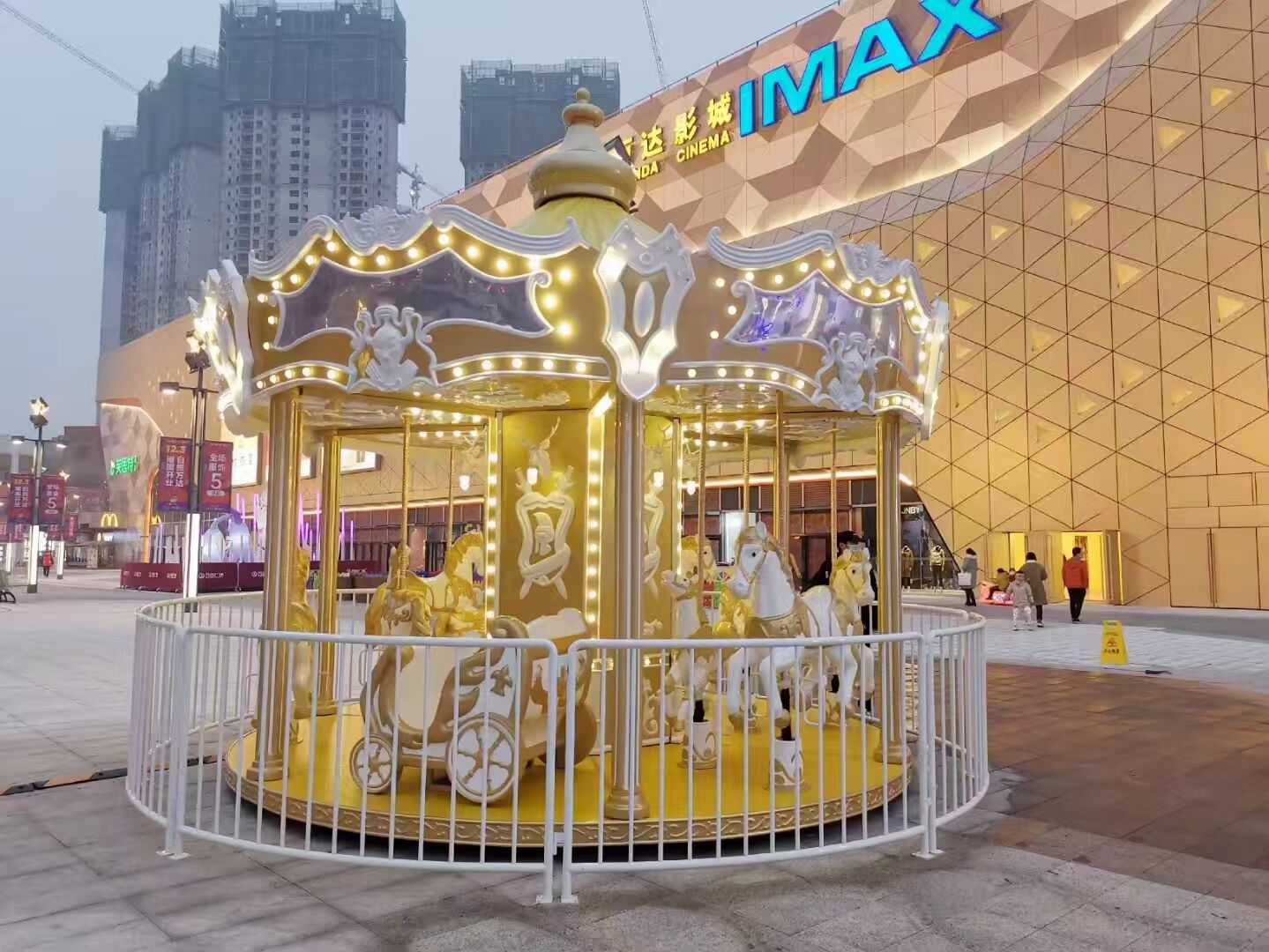
Theme parks have evolved into sprawling entertainment complexes that captivate millions of visitors annually through their impressive array of attractions. At the heart of these magical destinations lies large amusement equipment, which serves as the cornerstone of memorable experiences that keep guests returning year after year. These massive installations represent significant investments in engineering excellence, safety protocols, and visitor satisfaction that define the modern theme park landscape.
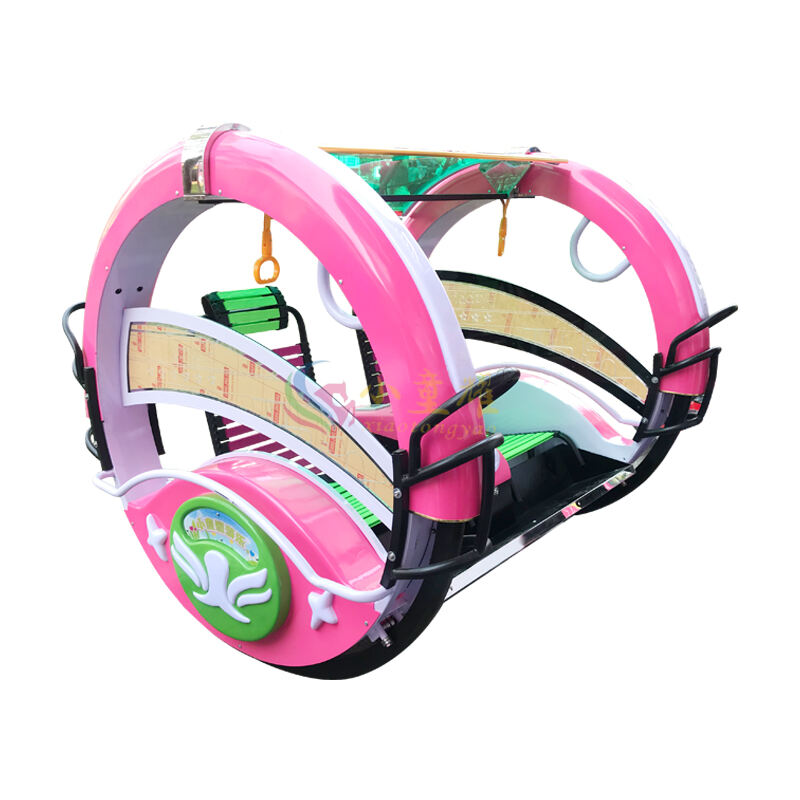
Understanding what constitutes large amusement equipment requires examining multiple factors including physical dimensions, operational complexity, guest capacity, and technological integration. These installations typically exceed standard ride specifications through their substantial footprint, advanced mechanical systems, and ability to accommodate hundreds of riders simultaneously. The classification extends beyond simple size measurements to encompass the comprehensive infrastructure required for safe and efficient operation.
Contemporary theme park operators recognize that large amusement equipment serves multiple strategic purposes within their entertainment portfolios. These attractions function as signature experiences that distinguish one park from competitors while generating substantial revenue streams through increased attendance and extended guest stays. The presence of impressive large-scale rides often becomes synonymous with park identity and marketing appeal across diverse demographics.
Physical Characteristics and Specifications
Dimensional Requirements and Space Allocation
Large amusement equipment typically requires substantial ground space that extends well beyond the actual ride footprint to accommodate safety zones, queue areas, and maintenance access points. Most installations demand minimum lot sizes ranging from 5,000 to 50,000 square feet depending on the attraction type and operational requirements. Height restrictions often become critical considerations, with many large rides exceeding 100 feet in vertical clearance and requiring specialized foundation systems to ensure structural integrity.
The spatial planning process involves comprehensive site analysis that examines soil conditions, drainage requirements, utility access, and proximity to other park infrastructure. Large amusement equipment installations must account for guest flow patterns, emergency evacuation routes, and service vehicle access throughout the design phase. These dimensional considerations directly impact construction timelines, operational efficiency, and long-term maintenance accessibility.
Engineering specifications for large installations typically incorporate advanced materials science principles to balance weight distribution, wind load resistance, and seismic stability requirements. Steel framework components often exceed standard construction grade specifications to accommodate dynamic loading conditions generated by multiple moving parts operating simultaneously. The resulting structures must demonstrate exceptional durability while maintaining precise operational tolerances across extended service periods.
Structural Engineering and Load Capacity
Modern large amusement equipment incorporates sophisticated structural engineering principles that address complex loading scenarios including static weight distribution, dynamic operational forces, and environmental stress factors. Foundation systems typically extend 20 to 40 feet below grade to provide adequate support for multi-ton installations operating under continuous loading cycles. These engineering requirements necessitate specialized construction techniques and materials that exceed conventional building standards.
Load capacity calculations encompass passenger weight distributions, mechanical component stresses, and environmental factors such as wind loading and thermal expansion. Large rides commonly accommodate 50 to 500 passengers per operational cycle, requiring structural systems capable of supporting combined loads exceeding 100,000 pounds while maintaining operational safety margins. Advanced computer modeling techniques simulate operational conditions to verify structural adequacy throughout the design process.
The integration of redundant safety systems within large amusement equipment reflects industry commitment to passenger protection through multiple independent backup mechanisms. Primary structural components incorporate safety factors typically ranging from 3:1 to 8:1 beyond anticipated operational loads, ensuring continued safe operation even under extreme conditions. These engineering approaches establish the foundation for reliable long-term performance expectations that justify substantial capital investments.
Operational Complexity and Technology Integration
Control Systems and Automation Technology
Advanced control systems represent the technological backbone of modern large amusement equipment, incorporating programmable logic controllers, sensor networks, and real-time monitoring capabilities that ensure precise operational control. These systems manage multiple simultaneous functions including ride timing, passenger loading sequences, safety protocol enforcement, and emergency shutdown procedures. Integration with park-wide management systems enables centralized monitoring and data collection that supports operational optimization initiatives.
Contemporary large amusement equipment incorporates sophisticated sensor technology that continuously monitors mechanical performance, passenger safety compliance, and environmental conditions throughout operational cycles. These monitoring systems generate comprehensive data streams that enable predictive maintenance scheduling, performance optimization, and compliance documentation required by regulatory agencies. Real-time diagnostic capabilities allow operators to identify potential issues before they impact guest experiences or safety protocols.
Automation technology extends beyond basic operational control to encompass guest experience enhancement through synchronized audio systems, lighting effects, and interactive elements that respond to ride dynamics. Advanced installations feature programmable show control systems that coordinate multiple sensory elements to create immersive experiences that justify premium pricing structures. These technological integrations require specialized technical expertise for installation, programming, and ongoing maintenance support.
Safety Protocols and Monitoring Systems
Comprehensive safety protocols embedded within large amusement equipment operations encompass multiple independent monitoring systems that continuously verify passenger restraint effectiveness, mechanical component performance, and operational parameter compliance. These systems incorporate redundant sensors, automated shutdown capabilities, and operator override functions that ensure immediate response to any detected anomalies. Regular safety inspections conducted by certified technicians validate system performance and document compliance with applicable safety standards.
Modern safety monitoring extends beyond traditional mechanical oversight to include biometric sensors, weight distribution monitoring, and passenger behavior analysis that collectively ensure optimal safety conditions throughout ride operations. Large installations typically feature multiple independent safety circuits that must simultaneously indicate safe conditions before operational cycles can commence. These multi-layered approaches reflect industry evolution toward proactive risk management strategies that exceed minimum regulatory requirements.
Emergency response protocols integrated into large amusement equipment operations include automated guest notification systems, emergency lighting activation, and coordinated communication with park security and medical personnel. Training programs ensure operational staff maintain current certifications in emergency response procedures, mechanical troubleshooting, and guest assistance protocols specific to each installation. These comprehensive safety approaches establish operational frameworks that support consistent safe operations across diverse operating conditions.
Guest Capacity and Throughput Management
Passenger Loading Systems and Efficiency Optimization
Large amusement equipment typically incorporates sophisticated passenger loading systems designed to maximize operational throughput while maintaining strict safety compliance and guest comfort standards. These systems often feature multiple loading platforms, automated restraint verification, and streamlined boarding procedures that minimize cycle times between operational sequences. Efficient loading protocols directly impact revenue generation through increased hourly guest capacity and reduced queue wait times.
Advanced loading systems integrate weight distribution monitoring, accessibility compliance features, and automated safety checks that ensure optimal passenger placement without compromising operational efficiency. Large installations commonly achieve throughput rates ranging from 500 to 2,000 guests per hour depending on ride duration, loading complexity, and safety verification requirements. These capacity metrics influence park operational planning and revenue projections across seasonal attendance variations.
Queue management systems associated with large amusement equipment installations incorporate virtual queuing technology, estimated wait time displays, and crowd flow optimization strategies that enhance overall guest satisfaction. Integration with mobile applications enables guests to monitor queue status remotely while exploring other park attractions, maximizing their entertainment value throughout extended visits. These technological enhancements support premium pricing strategies while improving operational efficiency metrics.
Accessibility Features and Universal Design Principles
Modern large amusement equipment incorporates comprehensive accessibility features that ensure compliance with disability accommodation requirements while maintaining operational efficiency and safety standards. These installations typically include wheelchair accessible loading areas, specialized restraint systems, and transfer assistance protocols that enable broader guest participation. Universal design principles influence architectural elements, operational procedures, and staff training programs throughout the guest experience.
Accessibility accommodations within large installations extend beyond basic compliance to encompass enhanced sensory experiences for guests with visual or hearing impairments through tactile guidance systems, audio descriptions, and vibration effects synchronized with ride dynamics. Specialized seating configurations accommodate various mobility devices while maintaining structural integrity and safety compliance across diverse passenger profiles. These inclusive design approaches expand potential market reach while demonstrating corporate social responsibility commitments.
Staff training programs associated with accessible large amusement equipment operations emphasize dignified assistance protocols, emergency evacuation procedures, and communication strategies that ensure positive experiences for all guests. Regular accessibility audits conducted by specialized consultants verify ongoing compliance with evolving regulatory requirements and industry best practices. These comprehensive approaches establish operational frameworks that support inclusive entertainment experiences across diverse guest populations.
Economic Impact and Investment Considerations
Capital Investment Requirements and Financial Planning
Large amusement equipment installations represent substantial capital commitments typically ranging from 5 million to 50 million dollars depending on complexity, technology integration, and site preparation requirements. These investments encompass equipment procurement, site development, utility infrastructure, and specialized construction services that extend project timelines across multiple construction seasons. Financial planning processes must account for extended payback periods, operational cost projections, and market positioning strategies that justify substantial upfront expenditures.
Project financing for large installations often involves complex arrangements including equipment leasing programs, construction financing, and performance guarantees that distribute financial risk across multiple stakeholders. Due diligence processes examine manufacturer reputation, warranty coverage, technical support availability, and spare parts supply chains that influence long-term operational costs. These financial considerations directly impact equipment selection criteria and operational planning strategies throughout the project development process.
Return on investment calculations for large amusement equipment consider multiple revenue streams including direct ticket sales, merchandise opportunities, food service integration, and marketing value generation that extends beyond immediate operational returns. Market analysis examines competitive positioning, demographic targeting, and seasonal attendance patterns that influence revenue projections across multi-year operational periods. These comprehensive financial evaluations support strategic decision-making processes that align capital investments with long-term business objectives.
Operational Cost Management and Maintenance Planning
Ongoing operational costs associated with large amusement equipment encompass routine maintenance requirements, specialized technician wages, utility consumption, insurance premiums, and regulatory compliance expenses that accumulate throughout extended service periods. Preventive maintenance programs typically consume 10 to 15 percent of annual operational budgets through scheduled inspections, component replacements, and system upgrades that ensure continued safe operation. These cost structures influence pricing strategies and operational planning across seasonal attendance variations.
Energy consumption patterns for large installations often exceed 500 kilowatts during peak operational periods, necessitating specialized utility infrastructure and demand management strategies that optimize operational costs. Advanced control systems incorporate energy efficiency features including variable frequency drives, regenerative braking systems, and automated shutdown protocols that minimize unnecessary power consumption during low-attendance periods. These technological approaches support environmental sustainability initiatives while reducing operational expenses.
Maintenance planning strategies for large amusement equipment incorporate predictive analytics, condition monitoring systems, and scheduled replacement protocols that minimize unplanned downtime while optimizing maintenance resource allocation. Specialized parts inventory management ensures critical component availability while minimizing carrying costs through just-in-time delivery arrangements with equipment manufacturers. These operational frameworks support consistent guest experiences while controlling long-term maintenance expenses that impact overall profitability metrics.
Regulatory Compliance and Safety Standards
International Safety Standards and Certification Processes
Large amusement equipment operations must comply with comprehensive safety standards established by international organizations including ASTM International, European Committee for Standardization, and regional regulatory agencies that govern mechanical design, operational procedures, and maintenance protocols. These standards encompass structural engineering requirements, electrical system specifications, and operational safety procedures that ensure consistent protection levels across diverse operational environments. Compliance verification involves extensive documentation, third-party inspections, and ongoing certification maintenance that validates continued adherence to applicable requirements.
Certification processes for large installations typically require multiple inspection phases including design review, manufacturing oversight, installation verification, and operational testing that collectively ensure compliance with applicable safety standards. Independent inspection agencies conduct comprehensive evaluations that examine mechanical components, control systems, safety devices, and operational procedures before authorizing commercial operation. These certification requirements establish baseline safety expectations that support insurance coverage and regulatory approval processes.
International harmonization efforts increasingly align safety standards across different jurisdictions, facilitating equipment transfer between markets while maintaining consistent protection levels for guests and operators. Large amusement equipment manufacturers typically design installations to exceed multiple applicable standards, ensuring broad market acceptance and simplified regulatory approval processes. These comprehensive approaches support global expansion strategies while establishing competitive advantages through demonstrated safety leadership.
Inspection Protocols and Compliance Documentation
Regular inspection protocols for large amusement equipment involve daily operational checks, weekly mechanical inspections, monthly comprehensive evaluations, and annual certification renewals conducted by qualified technicians and independent inspection agencies. Documentation requirements encompass maintenance records, operational logs, incident reports, and compliance certifications that demonstrate ongoing adherence to applicable safety standards. These comprehensive record-keeping systems support regulatory compliance while providing operational data that informs maintenance planning and performance optimization initiatives.
Advanced inspection technologies including ultrasonic testing, magnetic particle inspection, and computerized stress analysis enable non-destructive evaluation of critical structural components without disrupting operational schedules. Digital documentation systems facilitate real-time compliance reporting, trend analysis, and predictive maintenance scheduling that optimize inspection efficiency while ensuring thorough safety verification. These technological approaches support evidence-based decision making while minimizing operational disruptions associated with compliance activities.
Compliance documentation extends beyond technical inspections to encompass operator training records, emergency response procedures, and incident investigation protocols that collectively demonstrate comprehensive safety management systems. Regular audits conducted by regulatory agencies verify documentation accuracy, procedural compliance, and continuous improvement initiatives that exceed minimum regulatory requirements. These systematic approaches establish operational frameworks that support sustainable safety performance while minimizing regulatory risk exposure.
Future Trends and Technological Evolution
Emerging Technologies and Innovation Opportunities
Emerging technologies including virtual reality integration, artificial intelligence optimization, and Internet of Things connectivity are transforming large amusement equipment capabilities through enhanced guest experiences, improved operational efficiency, and predictive maintenance capabilities. These technological advances enable personalized entertainment experiences, real-time performance optimization, and proactive maintenance scheduling that collectively improve guest satisfaction while reducing operational costs. Innovation opportunities continue expanding as technology costs decrease and integration capabilities mature across diverse operational environments.
Advanced materials science developments including carbon fiber composites, smart metals, and self-healing materials offer potential applications within large amusement equipment that could significantly reduce weight, improve durability, and enhance operational performance characteristics. Research initiatives explore biomimetic design principles, sustainable manufacturing processes, and circular economy approaches that align entertainment infrastructure development with environmental responsibility objectives. These innovation directions support long-term industry sustainability while creating competitive differentiation opportunities.
Digital twin technology applications enable virtual simulation of large amusement equipment operations, facilitating design optimization, operator training, and predictive maintenance planning without disrupting actual operations. Machine learning algorithms analyze operational data patterns to identify optimization opportunities, predict component failures, and recommend performance enhancements that extend equipment service life while improving guest experiences. These technological capabilities establish foundations for autonomous operational management systems that could transform industry operational paradigms.
Sustainability Initiatives and Environmental Considerations
Sustainability initiatives within large amusement equipment development increasingly emphasize energy efficiency improvements, renewable energy integration, and circular design principles that minimize environmental impact throughout equipment lifecycles. Solar panel integration, energy storage systems, and regenerative power technologies enable attractions to generate renewable energy while reducing operational carbon footprints. These environmental considerations influence design decisions, material selection, and operational procedures that align entertainment experiences with sustainability objectives.
Lifecycle assessment methodologies evaluate environmental impacts associated with large amusement equipment from raw material extraction through end-of-life disposal, identifying optimization opportunities that reduce resource consumption and waste generation. Sustainable manufacturing processes, modular design approaches, and component recycling programs support circular economy principles while reducing total cost of ownership across extended service periods. These comprehensive approaches demonstrate industry commitment to environmental stewardship while creating operational efficiency benefits.
Water conservation systems, noise reduction technologies, and habitat preservation initiatives associated with large installations reflect broader environmental responsibility commitments that resonate with increasingly conscious consumer preferences. Green building certification programs encourage sustainable construction practices, energy efficient operations, and environmental impact minimization that align park development with community expectations. These sustainability frameworks establish competitive advantages while supporting long-term operational viability in evolving regulatory environments.
FAQ
What size qualifications determine if equipment is considered large amusement equipment
Large amusement equipment typically exceeds 50 feet in height or requires more than 5,000 square feet of ground space for installation and operation. Additional factors include passenger capacity exceeding 50 riders per cycle, structural weight exceeding 100,000 pounds, and requiring specialized foundation systems extending below standard building depths. These installations also demonstrate operational complexity through multiple mechanical systems, advanced control technology, and comprehensive safety monitoring capabilities that distinguish them from standard carnival or smaller park rides.
How much does large amusement equipment typically cost to install and operate
Installation costs for large amusement equipment range from 5 million to 50 million dollars depending on complexity, technology integration, and site preparation requirements. Annual operational costs typically consume 15 to 25 percent of initial capital investment through maintenance, utilities, staffing, insurance, and regulatory compliance expenses. These investments require 7 to 15 year payback periods depending on attendance levels, pricing strategies, and operational efficiency optimization. Project financing often involves specialized lending arrangements that account for extended payback periods and operational risk factors.
What safety standards govern large amusement equipment operations
Large amusement equipment must comply with ASTM International standards, European Committee for Standardization requirements, and regional regulatory specifications that govern mechanical design, electrical systems, operational procedures, and maintenance protocols. Daily inspections, weekly mechanical evaluations, monthly comprehensive assessments, and annual certification renewals ensure ongoing compliance with applicable safety standards. Independent inspection agencies conduct thorough evaluations before authorizing commercial operation, with continuous monitoring throughout operational periods to verify sustained safety performance levels.
How do theme parks maximize guest capacity on large amusement equipment
Theme parks optimize guest capacity through efficient loading systems, multiple boarding platforms, automated safety verification, and streamlined operational procedures that minimize cycle times between rides. Advanced queue management systems incorporate virtual waiting technology, real-time capacity monitoring, and crowd flow optimization that maximize hourly throughput while maintaining guest satisfaction. Typical large installations achieve 500 to 2,000 guests per hour depending on ride duration and loading complexity, with operational strategies focused on minimizing wait times while ensuring safety compliance throughout peak attendance periods.
Table of Contents
- Physical Characteristics and Specifications
- Operational Complexity and Technology Integration
- Guest Capacity and Throughput Management
- Economic Impact and Investment Considerations
- Regulatory Compliance and Safety Standards
- Future Trends and Technological Evolution
-
FAQ
- What size qualifications determine if equipment is considered large amusement equipment
- How much does large amusement equipment typically cost to install and operate
- What safety standards govern large amusement equipment operations
- How do theme parks maximize guest capacity on large amusement equipment