
 EN
EN


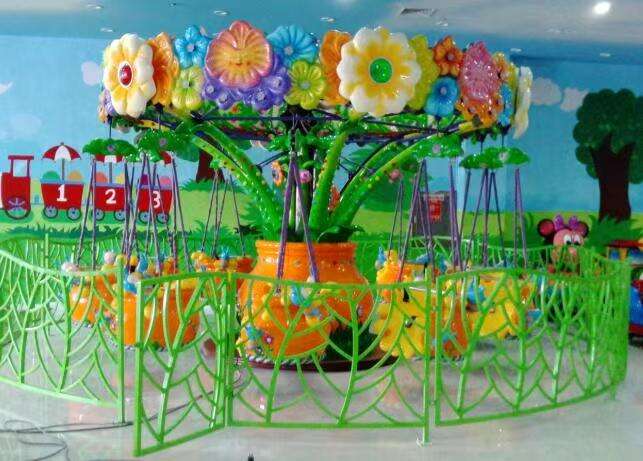
Selecting the perfect large amusement equipment for your entertainment venue requires careful consideration of multiple factors that directly impact visitor satisfaction, operational efficiency, and long-term profitability. The modern amusement industry offers an extensive range of sophisticated attractions designed to captivate audiences of all ages while meeting stringent safety standards and operational requirements. Understanding the key elements that distinguish exceptional large amusement equipment from mediocre alternatives can make the difference between a thriving park and one that struggles to attract repeat visitors.
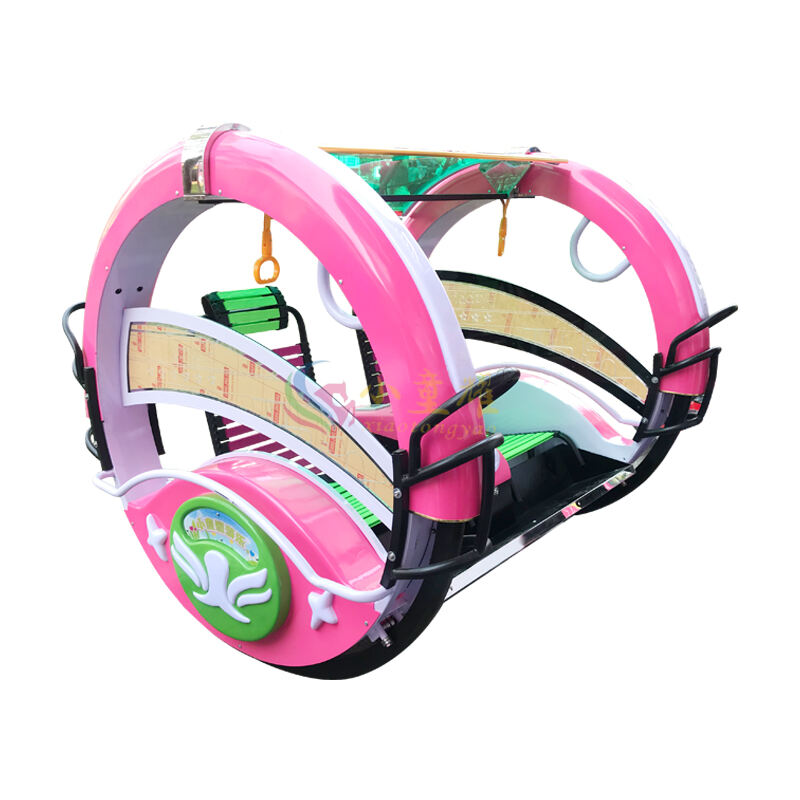
The investment in high-quality attractions represents one of the most critical decisions for park operators, as these installations typically serve as the primary draw for visitors and generate substantial revenue streams. Successful theme parks and entertainment venues recognize that their large amusement equipment must deliver consistent thrills while maintaining exceptional safety records and operational reliability. The selection process involves evaluating numerous technical specifications, safety certifications, manufacturer reputation, and long-term maintenance requirements that collectively determine the overall success of your investment.
Essential Safety Standards and Certification Requirements
International Safety Compliance and Testing Protocols
Modern large amusement equipment must adhere to rigorous international safety standards that govern every aspect of design, manufacturing, and installation. These comprehensive regulations ensure that attractions can operate safely under various environmental conditions while accommodating diverse user demographics and physical requirements. Leading manufacturers invest heavily in research and development to create innovative designs that exceed minimum safety requirements while delivering exceptional entertainment value.
The certification process involves extensive testing protocols that evaluate structural integrity, electrical systems, mechanical components, and emergency safety features under simulated operational conditions. Independent testing laboratories conduct thorough inspections of large amusement equipment to verify compliance with applicable standards before issuing official certifications. These certifications provide park operators with confidence that their attractions meet or exceed industry best practices for visitor safety and operational reliability.
Ongoing Maintenance and Inspection Requirements
Implementing comprehensive maintenance programs ensures that large amusement equipment continues to operate safely and efficiently throughout its service life. Regular inspections by qualified technicians help identify potential issues before they develop into serious problems that could compromise visitor safety or result in costly downtime. Proactive maintenance schedules typically include daily operational checks, weekly component inspections, and comprehensive annual overhauls that address wear patterns and system performance.
Documentation of all maintenance activities provides valuable data for optimizing operational procedures and predicting future service requirements. Modern large amusement equipment often incorporates advanced monitoring systems that continuously track performance parameters and alert operators to developing issues before they impact attraction availability. These technological innovations help reduce maintenance costs while ensuring consistent operational reliability that visitors expect from professional entertainment venues.
Capacity Planning and Throughput Optimization
Understanding Guest Flow Dynamics and Peak Demand
Effective capacity planning requires analyzing visitor patterns, seasonal fluctuations, and peak demand periods to select large amusement equipment that maximizes guest satisfaction while minimizing wait times. High-capacity attractions help reduce queuing bottlenecks during busy periods, allowing parks to accommodate more visitors without compromising the overall guest experience. Strategic placement of attractions throughout the venue helps distribute crowds evenly and prevents overcrowding in specific areas.
Understanding demographic preferences and age-appropriate attractions enables park operators to create balanced entertainment portfolios that appeal to diverse visitor segments. Family-friendly large amusement equipment should accommodate multiple generations simultaneously, encouraging group participation and extending average visit duration. Thrill-seeking attractions designed for older visitors can complement gentler rides suitable for younger guests, creating comprehensive entertainment experiences that satisfy entire families.
Revenue Generation and Operational Efficiency
The financial performance of large amusement equipment depends on optimizing ride capacity, minimizing operational costs, and maximizing revenue per guest. High-throughput attractions generate more revenue per hour while reducing per-guest operational expenses through efficient loading and unloading procedures. Modern ride systems incorporate automated safety features and streamlined operational protocols that enable faster cycle times without compromising safety standards.
Energy-efficient large amusement equipment helps reduce ongoing operational costs while supporting environmental sustainability initiatives that resonate with environmentally conscious visitors. Advanced control systems optimize power consumption during different operational modes, reducing electricity costs during peak and off-peak periods. These efficiency improvements contribute to better profit margins while demonstrating corporate responsibility that enhances brand reputation and visitor loyalty.
Site Preparation and Infrastructure Requirements
Foundation Design and Construction Specifications
Installing large amusement equipment requires extensive site preparation that includes foundation design, utility connections, and drainage systems engineered to support specific attraction requirements. Professional site surveys evaluate soil conditions, local climate factors, and existing infrastructure to determine optimal placement strategies that minimize installation costs while ensuring long-term stability. Proper foundation design prevents settling and structural issues that could compromise attraction performance or safety over time.
Utility requirements for modern attractions often include high-capacity electrical connections, compressed air systems, and specialized control networks that integrate with park-wide management systems. Planning these infrastructure elements during initial design phases helps avoid costly modifications and service disruptions after installation is complete. Experienced contractors familiar with large amusement equipment installation requirements can provide valuable guidance throughout the planning and construction process.
Environmental Considerations and Weather Protection
Climate conditions significantly impact the selection and installation of large amusement equipment, requiring careful consideration of temperature extremes, precipitation patterns, and wind loads that affect attraction performance and visitor comfort. Weather-resistant materials and protective enclosures help extend equipment life while ensuring consistent operation throughout various seasonal conditions. Some attractions benefit from climate-controlled environments that enhance visitor comfort while protecting sensitive mechanical and electrical components.
Drainage systems and surface treatments around large amusement equipment prevent water accumulation that could create safety hazards or accelerate component deterioration. Proper landscaping and site design enhance the visual appeal of attractions while providing functional benefits such as crowd control, maintenance access, and emergency evacuation routes. These environmental considerations contribute to overall operational efficiency and visitor satisfaction while supporting long-term asset preservation.
Manufacturer Selection and Vendor Evaluation
Industry Reputation and Track Record Assessment
Choosing reputable manufacturers with proven track records in designing and producing reliable large amusement equipment represents one of the most important decisions in the selection process. Established manufacturers typically offer comprehensive warranty programs, ongoing technical support, and replacement parts availability that ensure long-term operational success. Research manufacturer portfolios, client testimonials, and industry awards to identify companies that consistently deliver high-quality attractions meeting or exceeding performance expectations.
Direct communication with existing customers provides valuable insights into manufacturer reliability, customer service quality, and long-term satisfaction with installed equipment. Site visits to operational installations allow potential buyers to observe large amusement equipment performance firsthand while discussing operational experiences with current owners. These interactions often reveal important details about maintenance requirements, operational challenges, and overall satisfaction that may not be apparent from marketing materials alone.
Technical Support and Training Programs
Comprehensive training programs ensure that park staff can operate and maintain large amusement equipment safely and efficiently throughout its service life. Leading manufacturers provide detailed training curricula covering operational procedures, routine maintenance tasks, troubleshooting techniques, and emergency response protocols. Ongoing technical support helps resolve operational issues quickly while minimizing downtime that could impact visitor satisfaction and revenue generation.
Documentation quality significantly impacts the effectiveness of training programs and ongoing operational support for complex attractions. Well-written operation manuals, maintenance guides, and troubleshooting resources enable park staff to resolve common issues independently while knowing when to contact manufacturer support teams. Regular software updates and technical bulletins help keep large amusement equipment operating at peak performance while incorporating the latest safety enhancements and operational improvements.
Financial Planning and Return on Investment Analysis
Initial Capital Requirements and Financing Options
The substantial investment required for premium large amusement equipment necessitates careful financial planning that considers initial purchase costs, installation expenses, and ongoing operational requirements. Financing options range from traditional bank loans to specialized equipment leasing programs designed specifically for the amusement industry. Working with financial institutions familiar with entertainment venue requirements can help secure favorable terms that align with projected cash flows and seasonal revenue patterns.
Budget planning should include contingency funds for unexpected expenses during installation and initial operation phases when new attractions may require operational adjustments or minor modifications. Professional cost estimation services help ensure that all project expenses are accurately predicted, preventing budget overruns that could compromise overall project success. Detailed financial projections enable informed decision-making regarding attraction selection and implementation timing that maximizes return on investment.
Long-term Revenue Projections and Market Analysis
Successful large amusement equipment investments require realistic revenue projections based on local market conditions, competitive landscape analysis, and demographic trends that influence visitor behavior. Historical performance data from similar attractions in comparable markets provides valuable benchmarks for projecting attendance levels and revenue generation potential. Market research helps identify emerging trends and visitor preferences that could impact long-term attraction popularity and profitability.
Diversification strategies that include multiple attraction types help reduce financial risk while appealing to broader visitor demographics throughout different seasons and market conditions. Large amusement equipment with proven appeal across diverse age groups typically generates more consistent revenue streams than attractions targeting narrow demographic segments. Regular market analysis and visitor feedback collection enable ongoing optimization of attraction portfolios to maintain competitive advantages and maximize financial performance.
Frequently Asked Questions
What are the most important safety certifications to look for when purchasing large amusement equipment
The most critical safety certifications include ASTM International standards compliance, European Conformity markings, and certifications from recognized testing laboratories such as TUV or Intertek. These certifications verify that large amusement equipment meets rigorous safety standards for structural integrity, electrical systems, and operational safety features. Additionally, look for ISO 9001 quality management certification from manufacturers, which indicates systematic quality control processes throughout design and production phases.
How do I determine the optimal capacity for large amusement equipment based on my park size and expected visitor volume
Capacity planning requires analyzing historical visitor data, seasonal patterns, and peak demand periods to select attractions that minimize wait times while maximizing throughput. Professional consultants can conduct capacity studies that model various scenarios and recommend optimal ride configurations based on your specific operational parameters. Consider attractions that can accommodate 500-800 guests per hour for high-traffic locations, while smaller venues may benefit from equipment designed for 200-400 guests per hour depending on overall park capacity and visitor flow patterns.
What ongoing maintenance requirements should I expect for large amusement equipment and how can I budget for these costs
Annual maintenance costs typically range from 5-10% of the initial equipment purchase price, depending on attraction complexity and utilization levels. Regular maintenance includes daily operational checks, weekly component inspections, monthly preventive maintenance tasks, and comprehensive annual overhauls. Budget for replacement parts inventory, specialized tools, and trained maintenance staff or contracted service providers. Modern large amusement equipment often includes predictive maintenance systems that help optimize service schedules and reduce unexpected repair costs.
How long does the installation process typically take for large amusement equipment and what factors can affect the timeline
Installation timelines for large amusement equipment typically range from 8-16 weeks depending on attraction complexity, site preparation requirements, and weather conditions. Factors that can extend installation include foundation work, utility connections, permit approval processes, and manufacturer production schedules. Complex attractions with extensive theming or custom features may require additional time for completion. Planning installations during off-peak seasons helps minimize disruption to park operations while allowing adequate time for testing and staff training before reopening to guests.
Table of Contents
- Essential Safety Standards and Certification Requirements
- Capacity Planning and Throughput Optimization
- Site Preparation and Infrastructure Requirements
- Manufacturer Selection and Vendor Evaluation
- Financial Planning and Return on Investment Analysis
-
Frequently Asked Questions
- What are the most important safety certifications to look for when purchasing large amusement equipment
- How do I determine the optimal capacity for large amusement equipment based on my park size and expected visitor volume
- What ongoing maintenance requirements should I expect for large amusement equipment and how can I budget for these costs
- How long does the installation process typically take for large amusement equipment and what factors can affect the timeline