
 EN
EN



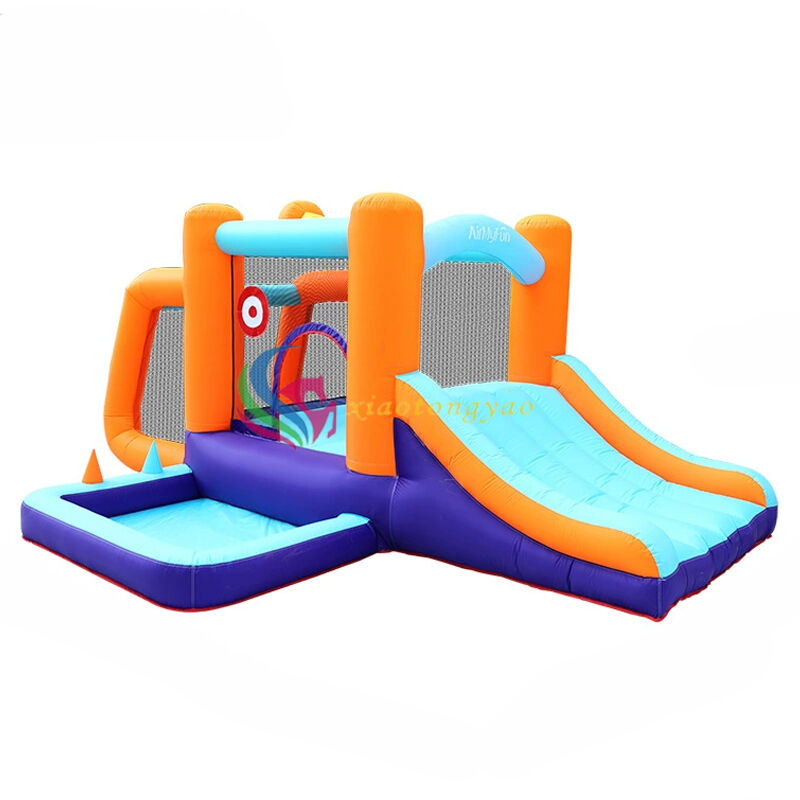
Wanneer u buitelike vermaak vir kinders beplan, word die keuse van die regte opblaasbare kasteel 'n noodsaaklike besluit wat veiligheid, genot en die algehele sukses van die geleentheid beïnvloed. 'n Opblaasbare kasteel bied eindelose ure van springvermaak terwyl dit 'n veilige omgewing vir kinders verskaf om energie af te brand en sosialiseer. Om die sleutelfaktore wat u keuse beïnvloed, te verstaan, verseker dat u in toerusting belê wat maksimum waarde lewer en onvergetlike ervarings vir jong deelnemers skep.
Die buitelike vermaakbedryf het 'n geweldige groei in opblaasbare speelstrukture beleef, met tallose opsies wat die mark oorvloed. 'n Inligtingsryke besluit vereis noukeurige oorweging van verskeie veranderlikes, insluitend grootte-spesifikasies, materiaalkwaliteit, veiligheidsfunksies en bedoelde gebruikspatrone. Elke ontwerp van 'n opblaasbare kasteel dien spesifieke doeleindes en oudergroeppe, wat grondige navorsing noodsaaklik maak voordat u aan 'n koop- of huurkontrak vasgehou word.
Sentrale grootte- en kapasiteits-oorwegings
Bepaling van Ruimtevereistes
Voordat u enige opblaasbare kasteel kies, word die meting van u beskikbare buiteruimte die grondslagstap in die besluitnemingsproses. Die meeste residensiële agtertuine kan kleiner eenhede vanaf 10x10 voet tot 15x20 voet akkommodeer, terwyl kommersiële venues of groter eiendomme massiewe strukture wat meer as 30x40 voet oorskry, kan hanteer. Oorweeg nie net die kasteel se voetspoor nie, maar ook die addisionele ruimte wat rondom die omtrek benodig word vir veilige toegang, uitgang en noodgeval-toegang.
Hoogtebeperkings speel ook 'n kritieke rol in ruimtebeplanning, aangesien baie opblaasbare kasteelmodelle 12–20 voet hoog word wanneer dit volledig opgeblaas is. Kontroleer vir bo-oorhindernisse soos boomtakke, elektrisiteitsdrade of gebou-uitsteeksels wat die opstelling kan versteur of veiligheidsrisiko's kan skep. Professionele installasieteknici stel gewoonlik 'n minimum van 6 voet vry ruimte aan al vier kante en 25 voet vry ruimte bo die kasteel voor vir optimale nalewing van veiligheidsriglyne.
Ouderdomsgeskikte Kapasiteitsbeplanning
Elke opblaasbare kasteel word saam met vervaardiger-spesifieke gewigbeperkings en gebruikerskapasiteitsriglyne verskaf wat vir veiligheidsredes streng nagekom moet word. Kleiner residensiële eenhede kan gewoonlik 6–8 kinders gelyktydig akkommodeer, terwyl groter kommersiële strukture veilig 15–25 gebruikers kan hanteer. Ouderdomssegmentering word belangrik wanneer peutertjies met ouer kinders gemeng word, aangesien grootte- en energieverskille botsingsrisiko’s binne die springarea kan skep.
Riglyne vir gewigsverspreiding help om strukturele skade te voorkom en om 'n eenvormige springoppervlak gedurende die speelsessie te verseker. Die meeste hoë-kwaliteit vervaardigers van opblaasbare kastelle verskaf besonder gedetailleerde kapasiteitskaarte wat aanbevole gebruikersaantalle volgens ouderdomsgroepe aandui, wat organiseerders help om toepaslike toesighoudverhoudings en rotasieskedules vir langdurige geleenthede te beplan.
Materiaalkwaliteit en Konstruksiestandaarde
Kommersiële-graadstofkeuse
Die materiaalkwaliteit van 'n opblaasbare kasteel beïnvloed direk sy duurzaamheid, veiligheidsprestasie en lewensduur onder gereelde buiteluggebruik. Kommersiële PVC-vinielmateriale bied beter skeurweerstand en weerbeskerming as ligter huishoudelike materiale. Soek na spesifikasies wat verwys na 18–22 ons vinielkonstruksie met versterkte nate en dubbelgenaaide spanningpunte wat herhaalde opblaasiklusse sonder ontbinding kan hanteer.
UV-bestandige coatings word noodsaaklik vir buitelug-opblaasbare kasteeltoepassings om kleurvervaagting en materiaalontbinding onder langdurige sonblootstelling te voorkom. Gehaltevervaardigers pas gespesialiseerde behandelings toe wat strukturele integriteit en visuele aantreklikheid deur verskeie seisoene buitelugvermaak behou. Vlamvertragende sertifikasies bied addisionele veiligheidsversekering deur aan kommersiële plekvereistes en versekeringseerbiedingsstandaarde te voldoen.
Versterking en Veiligheidsfunksies
Bestudeer die versterkingspatrone rondom hoë-spanningsareas, insluitend ankerpunte, toegangsopeninge en springoppervlakke waar gekonsentreerde kragte tydens aktiewe speel voorkom. Professionele lugopblaasbare kasteelontwerpe sluit verskeie lae materiaal by kritieke verbindingspunte in en maak gebruik van hitte-gelasde nate in plaas van gelymde verbindings vir 'n beter bindingsterkte en langdurigheid.
Die hoogte van veiligheidsnetwerk en die digtheid van die netwerk beskerm gebruikers teen ongelukkige valle terwyl sigbaarheid vir toesigdoeleindes behou word. Die meeste betroubare opblaaskasteel modelle het veiligheidsperke van 6–8 voet hoog met klein netwerkopeninge wat vingerinhegting voorkom terwyl dit steeds voldoende ventilasie deur die springkamer toelaat.
Kragvereistes en blaserpesifikasies
Elektriese stelselbeplanning
Elke opblaasbare kasteel vereis 'n voortdurende kragvoorsiening deur middel van toegewyde blaasstelsels wat die korrekte opblaas-druk tydens bedryf handhaaf. Bereken die totale elektriese las, insluitend primêre blaasmasjiene, rugsteunstelsels en enige addisionele verligting- of klanktoerusting wat vir u geleentheid beplan is. Die meeste residensiële eenhede werk op standaard 110 V huishoudelike stroom, terwyl groter kommersiële opblaasbare kasteelinstallasies miskien 220 V-aansluitings of toegang tot verskeie stroombane benodig.
Die kapasiteit van verlengkabels word kritiek wanneer die kragbron ver van die opstelplek af is, aangesien spanningvalle die prestasie van die blaasmasjiene kan verminder en die opblaaskwaliteit kan benadeel. Gebruik toepaslike draadgrootte en oorweeg alternatiewe generatorrugsteun vir afgeleë plekke sonder betroubare elektriese toegang. Professionele installasies sluit dikwels outomatiese oordrag-skerms in wat krag naadloos handhaaf tydens nutsversorgingsonderbrekings.
Blaasmasjienprestasie en rugsteunstelsels
Blaser se perdekragwaardes bepaal die opblaaspoed en die vermoë om druk te handhaaf onder verskillende lasomstandighede en weerfaktore. Opblaasbare kasteelmodelle met hoër kapasiteit vereis eweredig kragtiger blasers, gewoonlik vanaf 0,75 PK vir klein residensiële eenhede tot 3+ PK vir groot kommersiële strukture. Dubbelblaserkonfigurasies bied redundantiebeskerming en stel voortgesette bedryf in staat indien een eenheid tydens 'n geleentheid uitval.
Geluidsnivelle word belangrike oorwegings vir residensiële buurte of venues met klankbeperkings, aangesien aanhoudende blaserbedryf beduidende omgewingslawaai gedurende die hele geleentheid veroorsaak. Soek na blasermodelle met klankdempende eienskappe of beplan plasingstrategieë wat steuring vir naburige eiendomme tot 'n minimum beperk, terwyl optimale prestasie vir die opblaasbare kasteelstelsel gehandhaaf word.
Weerbestandheid en Seisoenlike Oorwegings
Wind- en Stormvoorbereiding
Buitenspeelkaste wat opgeblaas word, moet gereeld met wisselende weerstoestande saamwerk wat die veiligheid en strukturele integriteit tydens geleenthede kan benadeel. Vervaardigers se windspoedgraderings spesifiseer gewoonlik die maksimum veilige bedryfsvoorwaardes, wat meestal tussen 15 en 25 mph vir die meeste residensiële modelle wissel. Ontwikkel duidelike protokolle vir die monitering van weerstoestande en die instelling van afskakelprosedures wanneer windspoed tot gevaarlike vlakke styg.
Ankerstelsels word absoluut noodsaaklik om katastrofale mislukkings tydens onverwagse weerwisselinge te voorkom, aangesien ontoereikend vasgemaakte opgeblaasde speelkaste in sterk winde gevaarlike projektielvoorwerpe kan word. Professionele installasie sluit swaar staalpype, sand sakke of waterbarels in wat strategies geposisioneer is om opwaartse kragte teen te werk en stabiele posisie gedurende die hele bedryfsperiode te handhaaf.
Temperatuur- en vochtbeheer
Ekstreme temperature beïnvloed beide materiaalbuigbaarheid en blaserprestasie in buitelug-opblaasbare kasteeltoepassings, waar koue weer die stof se buigbaarheid verminder en warm toestande moontlik oordrukking kan veroorsaak. Beplan seisoenale bergprosedures wat die materiale teen vries-smelt-siklusse en UV-afbreek tydens langdurige nie-gebruiksperiodes tussen gebeurtenisse of seisoene beskerm.
Vogbeheer voorkom die ontwikkeling van schimmel en mildew wat die stof kan beskadig en gesondheidsrisiko's vir gebruikers tydens daaropvolgende opblaasbare kasteelbedrywighede kan skep. Stel grondige droogprosedures na elke gebruik vas, veral na reënblootstelling of skoonmaak, en verseker volledige vogverwydering voor berging of vervoer na die volgende plek.
Veiligheidsprotokolle en toesighoudvereistes
Operateur Opleiding en Sertifisering
Behoorlike bedryf van 'n opblaasbare kasteel vereis getrainde personeel wat die opstelprosedures, veiligheidsmonitering en noodgevalprotokolle verstaan vir die hele duur van die geleentheid. Baie versekeringsmaatskappye en kommersiële venues vereis geseënde bedrywers wat voltooi het met vervaardigeropleidingprogramme of industrie-erkenste veiligheidskursusse wat opblaasprosedures, kapasiteitsbestuur en insidentreaksie dek.
Toesighoudverhoudings wissel gebaseer op gebruikersoudergroep en die kompleksiteit van die opblaasbare kasteel, met jonger kinders wat meer intensiewe toesig benodig om onveilige gedrag te voorkom en behoorlike gebruikspatrone te verseker. Stel duidelike reëls vir gebruikers vas, insluitend oudersegregeringsbeleid, maksimum besettingslimiete en verbode aktiwiteite wat veiligheid kan kompromitteer of toerusting tydens bedryf kan beskadig.
Noodbereidheid en risikobestuur
Ontwikkel omvattende noodaksieplanne wat mediese insidente, toestelvalle en reaksies op slegte weertoestande spesifiek vir die bedryf van opblaasbare kastele insluit. Handhaaf direkte kommunikasie met plaaslike noodienste en verseker dat getrainde personeel die hele tyd ter plase is tydens die bedryfsperiode met die gesag om bedryf te staak wanneer veiligheidstoestande verswak.
Assuransie-oorwegings word ingewikkeld vir die bedryf van opblaasbare kastele en vereis toepaslike dekking vir aanspreeklikheid, eiendomskade en besigheidsversteuring. Bestudeer die beleidsterme noukeurig om beperkings van die dekking te verstaan en om te verseker dat dit voldoen aan die vervaardiger se aanbevelings en plaaslike reguleringsvereistes vir die bedryf van kommersiële vermaaktoestelle.
Kosteanalise en waardevergelyking
Aankoop teen huur-besluitnemingsfaktore
Die finansiële besluit tussen die aankoop en die huur van ’n opblaasbare kasteel hang af van die verwagte gebruiksfrekwensie, stoorvermoëns en langtermyn-entretenementsplanne vir jou organisasie of gesin. Kooppryse wissel van $1 500 vir basiese residensiële modelle tot $15 000+ vir kommersiële strukture, terwyl huurkoste gewoonlik van $150 tot $500 per dag wissel, afhangende van grootte en kenmerke.
Oorweeg voortdurende koste soos stoorruimte, onderhoudsmateriaal, versekeringspremies en periodieke herstelwerk wanneer jy die totale eienaarskostes vir opblaasbare kasteel-investeringe bereken. Huuropsies elimineer hierdie verantwoordelikhede terwyl dit toegang bied tot nuwer modelle en professionele opstel dienste, wat dit aantreklik maak vir geleentheidgebruikers of dié wat markvraag toets voordat hulle vir koop vaslê.
Kwaliteit teenoor Prysverslag
Alhoewel begrotingsbeperkings elke besluit oor die keuse van 'n opblaasbare kasteel beïnvloed, lei die voorkeur vir hoë gehalte konstruksie en veiligheidskenmerke bo die aanvanklike prys gewoonlik tot beter langtermynwaarde en verminder aanspreeklikheidsrisiko's. Goedkoop geïmporteerde modelle mag aantreklike pryse bied, maar hulle het dikwels nie die nodige sertifikasies, duursame materiale of betroubare kliëntediens nie wanneer probleme tydens bedryf ontstaan.
Ondersoek vervaardiger se waarborgs en diensondersteuningsnetwerke voordat u finale aankoopbesluite neem, aangesien opblaasbare kasteeltoerusting periodieke onderhoud en moontlike herstelwerk gedurende sy bedryfslewe vereis. Gevestigde vervaardigers bied gewoonlik omvattende waarborgdekking en maklik beskikbare vervangstukke, wat langtermynwaardebehoud en bedryfsbetroubaarheid ondersteun.
VEELEWERSGESTELDE VRAE
Wat is die tipiese leeftyd van 'n hoë gehalte opblaasbare kasteel?
ʼN Goed onderhoude kommersiële graad opblaasbare kasteel duur gewoonlik 5–10 jaar met gereelde gebruik, afhangende van die frekwensie van gebruik, die gehalte van onderhoud en die bergingsomstandighede. Residensiële modelle kan 3–7 jaar duur met behoorlike sorg. Gereelde skoonmaak, behoorlike berging en tydige herstel van klein beskadigings verleng die bedryfslewe aansienlik en handhaaf veiligheidsstandaarde gedurende die hele toestel se lewensiklus.
Hoeveel ruimte word rondom ’n opblaasbare kasteel benodig vir veilige bedryf?
Veiligheidsriglyne beveel aan dat daar ten minste 6 voet skoon ruimte aan albei kante van die opblaasbare kasteel behou moet word vir veilige toegang, uitgang en noodgevaltoegang. Die vertikale ruimte bo die kasteel moet ten minste 25 voet wees om kontak met takke van bome of elektriese lyne te voorkom. Addisionele ruimte mag nodig wees vir die plasing van die blaaier en elektriese aansluitings, afhangende van die spesifieke werfopset.
Kan opblaasbare kastele in ligte reën of vogtige toestande gebruik word?
Die meeste vervaardigers van opblaasbare kasteel beveel aan om die gebruik tydens enige neerslag te staak weens die risiko van gly en moontlike elektriese veiligheidsprobleme met blaasstelsels. Nat oppervlaktes word uiters glad en gevaarlik vir springaktiwiteite. Wag totdat die oppervlaktes heeltemal droog is en weerstoestande stabiliseer voordat jy weer begin werk vir maksimum gebruikersveiligheid.
Watter onderhoud is nodig om 'n opblaaskasteel in goeie toestand te hou
Gereelde instandhouding sluit in deeglike skoonmaak na elke gebruik, volledige droog voor berging, periodieke inspeksie van nate en ankerpunte, en onmiddellike herstel van enige skade of slytasie. Maandelikse diep skoonmaak met toepaslike ontsmettingsmiddels help om die groei van skimmel en bakterieë te voorkom. Jaarlikse professionele inspeksies kan moontlike probleme identifiseer voordat dit die veiligheid in gevaar stel of groot herstelwerk vereis.